By Ryan Lim · September 2026
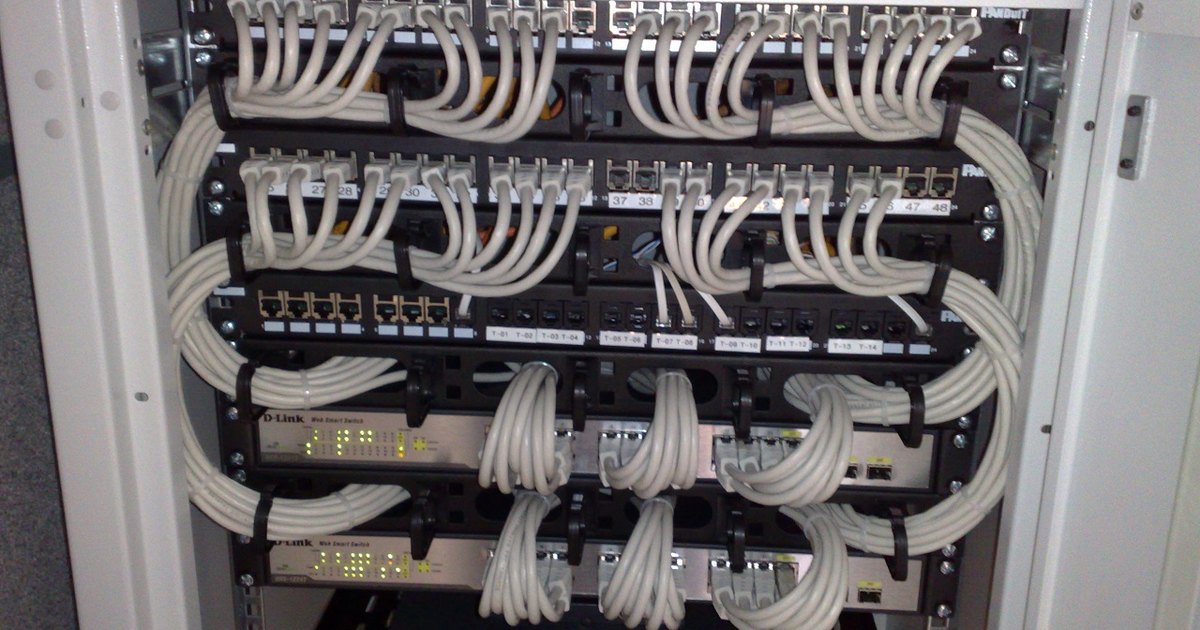
Regional messaging traffic depends on a handful of data centre clusters — and one of them failed on 8 September.
When Telegram stopped working on the morning of 8 September, Malaysian users saw the familiar symptoms: messages stuck in transit, chats that would not load, and the app hovering on a connecting screen. What they could not see was why.
Days later, the picture is clearer. The outage did not begin in Malaysia, and it was not caused by local network problems. It began at DC5 — Telegram's data centre cluster in Singapore that handles users across Asia-Pacific.
What Actually Happened
Outage reports began building through the morning of 8 September and peaked around late morning Singapore time. According to outage-tracking data reported across the region, the scale looked like this:
| Market | Peak outage reports |
|---|---|
| Singapore | ~4,000 |
| Indonesia | 1,284 |
| Philippines | 933 |
| India | 851 |
| Malaysia | 544 |
| Vietnam | 530 |
| Thailand | 253 |
Reports also came from the United States and parts of Oceania. Seven Asia-Pacific markets were named directly, and users reported problems with messaging, logins, chat loading and even Telegram shortlinks. Service resumed gradually over the following hours.
For many Malaysian businesses, this is the operations console: orders, supplier chats and customer groups.
Why One Data Centre Knocked Out Seven Countries
The mechanism behind the outage is the part worth understanding, because it explains why an incident in Singapore hit Malaysian businesses specifically.
Telegram assigns accounts to data centre clusters based on the country code of the phone number used to register. Those assignments are sticky: a Malaysian account generally remains on the cluster serving Malaysian numbers even when the owner travels or logs in from another country. When that cluster has a bad morning, everyone assigned to it has a bad morning — regardless of where they physically are, and regardless of how healthy their own internet connection is.
Telegram had not published a public explanation of the root cause at the time of reporting. There has been no indication that the outage was caused by a cyberattack, and the pattern — one regional cluster failing, service restored over hours — points to infrastructure rather than interference.
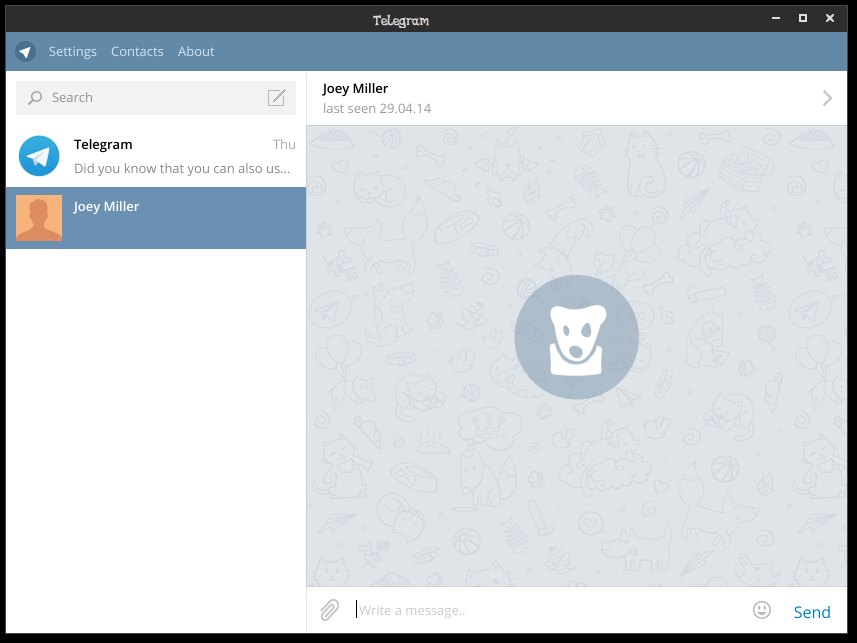
Desktop and web clients failed alongside the mobile app, because they depend on the same account cluster.
The Uncomfortable Lesson for Malaysian SMEs
Many small businesses in Malaysia now run real operations on Telegram: customer orders, supplier negotiations, delivery coordination, staff groups, even document sharing. The outage exposed three structural weaknesses in that arrangement.
First, there is no service level agreement. Telegram is a free consumer product. No uptime guarantee, no account manager, no contractual remedy, and no obligation to explain the failure afterwards. When other companies' communications platforms break, they publish a status page and an incident report. Here, businesses simply waited.
Second, your customer data lives in someone else's cluster. Contact lists, order histories and shared documents sit inside an app you do not control, on infrastructure you cannot inspect, with a retention model you did not negotiate.
Third, a single region can be enough to stop you. If three-quarters of your customers, suppliers and riders are reachable only through one app, then one data centre failure is a full business interruption, not an inconvenience.
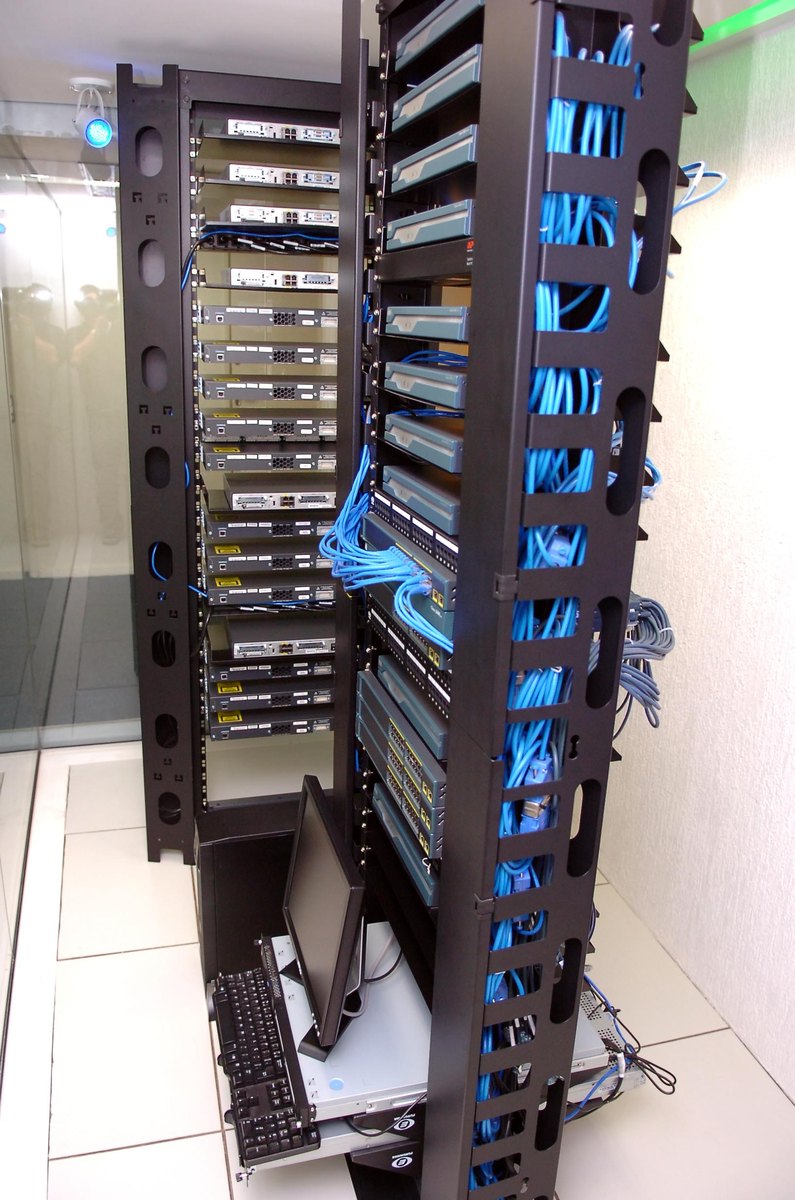
Concentration risk is the quiet problem: one cluster, one region, many businesses dependent on it.
What to Do Differently: A Practical Checklist
- Own your contact list. Export customer and supplier contacts out of the app at least quarterly and store them in a CRM, a spreadsheet or your invoicing system. If the app is down, your business should still know who to call.
- Run a second channel by default. Keep WhatsApp Business or email active for the same customers, and publish both sets of contact details on your website, invoices and shopfront. A channel your customers already use is the cheapest redundancy you can buy.
- Move documents out of chats. Quotations, purchase orders and delivery documents should live in cloud storage or on your own systems, with links shared in chat — never as the only copy.
- Agree an outage drill with staff. Decide in advance: if messaging fails, staff switch to calls and email, and one person posts an update on your other channels within 30 minutes.
- Tell customers before they ask. A short template — "our messaging platform is down, please reach us at this number or email" — protects trust and reduces the chance orders go to a competitor during the window.
- Keep a paper trail for orders. Take orders by voice? Log them in your system immediately, not later in chat.
- Check your critical tools separately. If an e-invoicing portal, payment gateway or delivery platform also depends on the same region, ask what its failover plan is.
There is a wider pattern here, too. Earlier this month, several major AI platforms failed on the same day. Within a week, Telegram's regional cluster went down. Neither was caused by anything a small business did — but both show how much everyday operation now rests on infrastructure that is shared, opaque and unaccountable to small customers.
Conclusion
The 8 September Telegram outage was not a mystery of bad luck. It was one data centre cluster in Singapore — DC5 — failing, and a sticky account-assignment system carrying that failure to seven Asia-Pacific markets at once, Malaysia included.
Malaysian SMEs cannot prevent the next regional outage. They can make sure it does not stop their business: export your contacts, keep a second channel active, keep documents outside chats, and give staff a one-page plan for the next time an app goes quiet. Free messaging is excellent reach. It is a fragile operations department.
Frequently Asked Questions
What caused the Telegram outage on 8 September?
The failure traced to DC5, Telegram's data centre cluster in Singapore that serves Asia-Pacific users. Reports peaked near 4,000 in Singapore and spread across at least seven regional markets. Telegram has not published a detailed public explanation of the root cause.
Was it a cyberattack or a DDoS?
There has been no reported indication of a cyberattack. The pattern — a single regional cluster failing and service returning gradually over hours — is consistent with an infrastructure failure rather than an external attack.
Why was Malaysia affected when the problem was in Singapore?
Telegram assigns accounts to data centre clusters based on the country code of the registered phone number, and accounts stay assigned to that cluster even when the user travels. Malaysian numbers generally sit on the cluster served by DC5, so Malaysian users were affected wherever they were.
How long did the outage last?
Reports peaked during the morning of 8 September and service resumed gradually over the following hours as the cluster recovered. Some users experienced delayed messages, login failures and shortlink problems even after the app appeared to reconnect.
Can my SME claim compensation for lost business?
No. Telegram is a free consumer service with no uptime guarantee, no service level agreement and no contractual relationship with your business. The only reliable protection is redundancy — a second communication channel and your own copy of customer data.
Should we stop using Telegram for business?
Not necessarily. Its reach and group features are genuinely useful. The safer approach is to treat it as one channel among several, keep your customer data where you can access it independently, and never let documents or order records exist only inside a chat.
Ryan Lim covers technology trends and digital transformation for SMEBuddies, focusing on how digital infrastructure decisions affect small Malaysian businesses. He has spent over a decade advising retail and service SMEs on their operational tooling, from point-of-sale systems to e-commerce logistics. Ryan writes about resilience and practical adoption rather than product hype, and he tests the workflows he recommends on real trading floors.
Why Telegram Went Down: The Singapore Data Centre Behind the Outage and What SMEs Should Do Differently