📅 July 9, 2026 • 📂 Compliance & Regulations • ⏱ 10 min read

On January 1, 2026, Malaysia's Cyber Security Act 2026 (Act 858) came into full effect, marking a new era of digital accountability for businesses operating in the country. For many SMEs, the Act raises urgent questions: Does this apply to my business? What do I need to do? What happens if I don't comply?
This article breaks down the Cyber Security Act 2026 in plain language, clarifies which obligations apply to SMEs, and provides a practical compliance roadmap that won't break the bank.
What Is the Cyber Security Act 2026?
The Cyber Security Act 2026 is Malaysia's first comprehensive law specifically governing cybersecurity practices across the nation's critical and non-critical sectors. Administered by the National Cyber Security Agency (NACSA), the Act replaces the patchwork of sector-specific guidelines that previously existed and establishes a unified legal framework.
The Act's primary objectives are straightforward:
- Mandate minimum cybersecurity standards for all organisations handling digital data
- Establish mandatory reporting of cybersecurity incidents
- Create a National Cyber Security Committee to oversee implementation
- Impose penalties for non-compliance, including fines and imprisonment for severe breaches
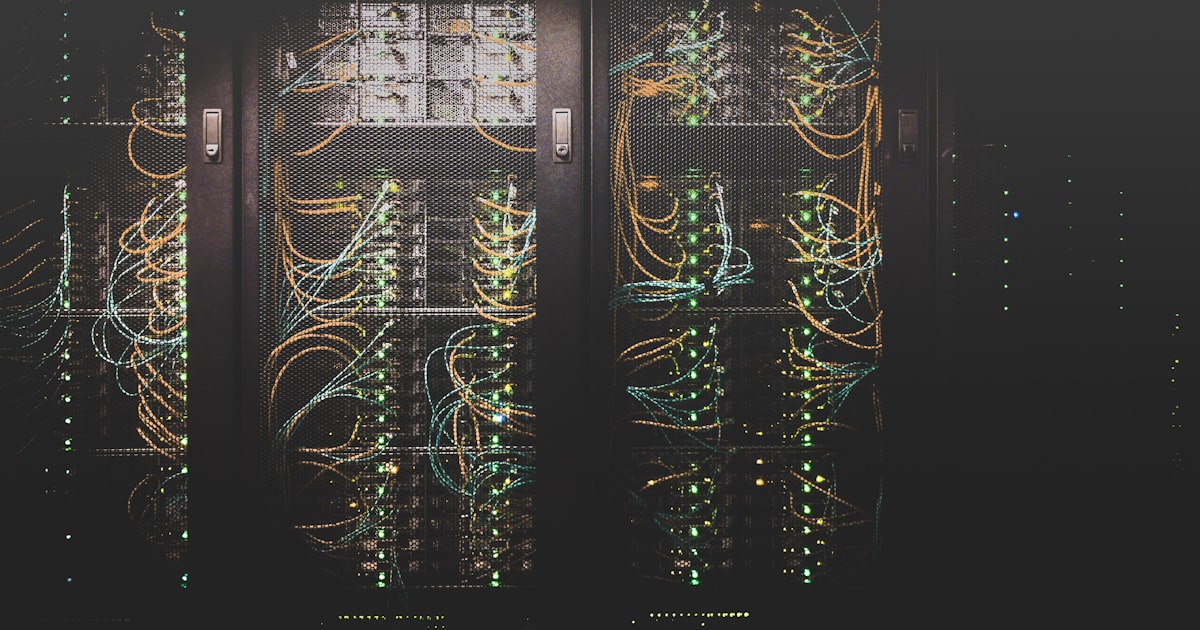
The Cyber Security Act 2026 establishes mandatory security standards for Malaysian businesses.
Does the Act Apply to SMEs?
This is the most critical question, and the answer is nuanced. The Act categorises organisations into two tiers:
Tier 1 — National Critical Information Infrastructure (NCII): Banks, telecommunications, healthcare, energy, transportation, water, and government agencies. These face the strictest requirements, including mandatory security audits, designated Chief Information Security Officers (CISOs), and immediate incident reporting.
Tier 2 — Non-Critical Sectors: This covers most SMEs. While requirements are less onerous, they are not exempt. All businesses that process, store, or transmit digital data must implement "reasonable security measures" — a term defined with increasing specificity in NACSA's 2026 guidelines.
Important clarification: Even micro-businesses (fewer than 5 employees) are not exempt if they handle customer data, process online payments, or store business records digitally. The Act's scope is data-driven, not size-driven.
Key Requirements for SMEs Under the Act
1. Data Protection and Security Measures
All SMEs must implement "proportionate and reasonable" cybersecurity measures. What does this mean in practice?
- Use strong, unique passwords and enable multi-factor authentication (MFA) on all business accounts
- Keep software, operating systems, and plugins updated — unpatched vulnerabilities are the #1 entry point for attacks
- Encrypt sensitive customer data both at rest and in transit
- Maintain regular automated backups, stored separately from your main systems
2. Incident Reporting
If your SME suffers a cybersecurity incident that compromises customer data or disrupts operations, you must report it to NACSA within 12 hours of discovery. Failure to report can result in fines of up to RM 100,000 for individuals and RM 500,000 for organisations.

Prompt incident reporting is now a legal requirement under the Act.
3. Record-Keeping
Maintain logs of all cybersecurity incidents, risk assessments, and security measures implemented. These records must be kept for a minimum of three years and produced upon NACSA's request. For SMEs, a simple spreadsheet or Google Sheet documenting dates, actions, and outcomes is sufficient — you do not need expensive logging software.
Practical Compliance Roadmap for SMEs
Compliance does not require hiring a full-time cybersecurity expert. Here is a step-by-step plan that most SMEs can implement in under two weeks:
- Conduct a basic data inventory (Day 1–2). List every piece of customer data you hold — names, IC numbers, addresses, payment details, medical records. Where is it stored? Who has access? If you cannot account for all your data, you cannot protect it.
- Enable MFA everywhere (Day 2–3). Turn on multi-factor authentication for email, banking, accounting software, and any platform containing customer data. This single step blocks 99.9% of automated cyber attacks.
- Update all software (Day 3–4). Run updates on every device, including POS terminals, laptops, and servers. Enable automatic updates where possible.
- Set up automated backups (Day 4–5). Use a service like Google Drive, Dropbox, or a low-cost cloud backup provider. The 3-2-1 rule: three copies of data, on two different media, with one copy off-site.
- Create an incident response plan (Day 5–7). A one-page document outlining: who to call if hacked, how to disconnect affected systems, how to notify customers, and NACSA's reporting hotline. Keep it somewhere accessible (printed, not just digital).
- Train your team (Day 7–10). Conduct a 30-minute session on phishing awareness, password hygiene, and how to spot suspicious emails. This is the most cost-effective security investment you can make.
Common Compliance Misconceptions
"I use cloud software, so security is the provider's problem." While cloud providers secure their infrastructure, you are still responsible for your account security, user access, and how you handle data within the application. A compromised admin account is your liability.
"I'm too small to be a target." 43% of cyber attacks in Malaysia in 2025 targeted SMEs. Automated bots scan for vulnerabilities indiscriminately — they do not check company size before attacking.
"Compliance costs too much." The steps outlined above cost under RM 500 for most SMEs and take less than two weeks to implement. The average cost of a data breach for a Malaysian SME in 2025 was RM 178,000. Compliance is cheap insurance.
Penalties at a Glance
- Failure to implement security measures: Up to RM 300,000 fine
- Failure to report an incident: Up to RM 500,000 fine for organisations
- Knowingly providing false information to NACSA: Up to RM 200,000 and/or imprisonment
- Obstruction of NACSA investigation: Up to RM 150,000
A simple compliance checklist is all most SMEs need to get started.
Where to Get Help
NACSA has published a dedicated SME compliance guide available on their website. MyDigital also offers free cybersecurity clinics for SMEs at selected Digital Economy Centres (PEDi) nationwide. For affordable implementation assistance, consider engaging a local cybersecurity consultant or managed security service provider (MSSP) that offers SME-specific packages starting from RM 1,500 for a basic audit and setup.
Final Thoughts
The Cyber Security Act 2026 represents a significant step forward for Malaysia's digital economy. While it introduces new obligations, the requirements for SMEs are reasonable and achievable with modest effort. More importantly, the Act codifies best practices that every business should already be following — protecting customer data is not just a legal duty, it is a competitive advantage.
Start with the checklist above. You do not need to become a cybersecurity expert overnight. Take one step at a time, document what you do, and you will be well on your way to compliance.
About SMEBuddies — We help Malaysian small business owners grow smarter with practical, actionable advice. Our articles are written by industry practitioners who understand the challenges of running an SME in Malaysia.
Conclusion
The most successful Malaysian SMEs are those that take action on what they learn. Whether you're just starting out or looking to scale, the key is to make informed decisions based on your specific situation. Use this article as a starting point, and don't be afraid to seek professional advice when needed.
Frequently Asked Questions
1. What is the most common cyber threat for SMEs?
Phishing attacks are the most common threat, with over 90% of data breaches starting with a phishing email. Employee training is your first line of defence.
2. How much should an SME spend on cybersecurity?
A good rule of thumb is to allocate 5-10% of your IT budget to cybersecurity. Basic measures like antivirus, firewalls, and staff training cost as little as RM 100 per month.
3. Do I need cyber insurance?
Cyber insurance is increasingly recommended for SMEs, especially those handling customer data. Premiums start from around RM 500 per year for basic coverage.
This article was written by Ashley Lu, a contributor to SMEBuddies. Ashley covers finance and lending topics to help Malaysian SMEs navigate the evolving business landscape.
Understanding Malaysia's New Cyber Security Act 2026: What SMEs Must Do