By Julie Daphne · September 2026
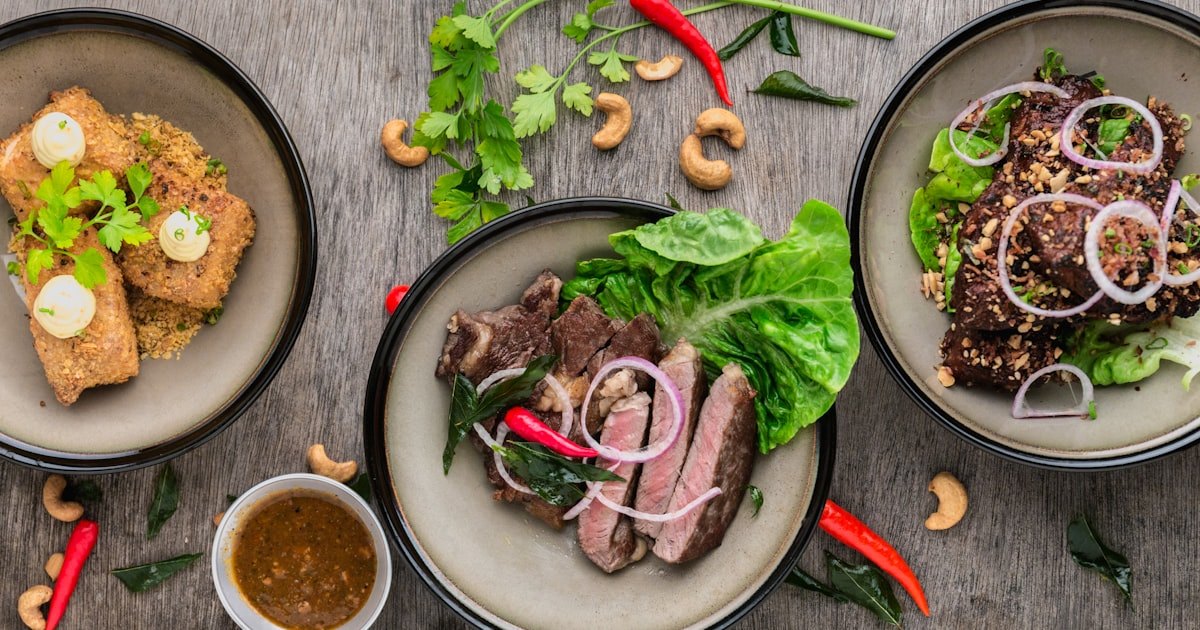
Food and beverage services took RM38.1 billion of internal tourism consumption in 2025, second only to shopping.
What the numbers actually say
DOSM released the Tourism Satellite Account 2025 on 15 September 2026. Gross value added of tourism industries reached RM323 billion, or 15.9% of GDP, up from 15.4% in 2024. The industry grew 8.6% last year against 7.8% in 2024, driven by both inbound and domestic tourism expenditure.
Tourism Direct GDP hit a record RM138.7 billion — 35.6% above the RM102.3 billion recorded in 2019, and equal to 6.8% of GDP, the same share as before the pandemic. Arrivals tell a similar story: 42.2 million visitors in 2025, and inbound tourism expenditure up 16.5% year on year to RM124.8 billion. DOSM also counts 3.7 million people employed in tourism-related industries, or 22.1% of total employment. Roughly one in five Malaysian jobs now touches tourism.
Where the money actually goes
Of RM236.9 billion in internal tourism consumption, shopping took RM88.9 billion — 37.5%. Food and beverage services came next at RM38.1 billion, then accommodation at RM33.5 billion and passenger transport at RM31.9 billion. Broken down by industry, retail trade contributed 50.6% of tourism value added, food and beverage 16.4%, accommodation 9.3%, and cultural, sports and recreational activities 4.3%.
The soft spot is hotels. International visitor spending on accommodation remains 6.8% below its 2019 level, even though inbound spending overall has exceeded pre-pandemic levels for two straight years. Visitors are still coming and still spending — they are simply not spending it the way they did in 2019.
Domestic travel matters just as much. Malaysian domestic tourism expenditure rose 13.6% to RM121.3 billion in 2025, across 290.1 million domestic visitors, up 11.5%. Average length of stay edged up to 2.56 nights from 2.49. Domestic spending splits in a similar pattern: shopping 36.9%, food and beverage 16.1%, fuel 13.5%, accommodation 10.7%.
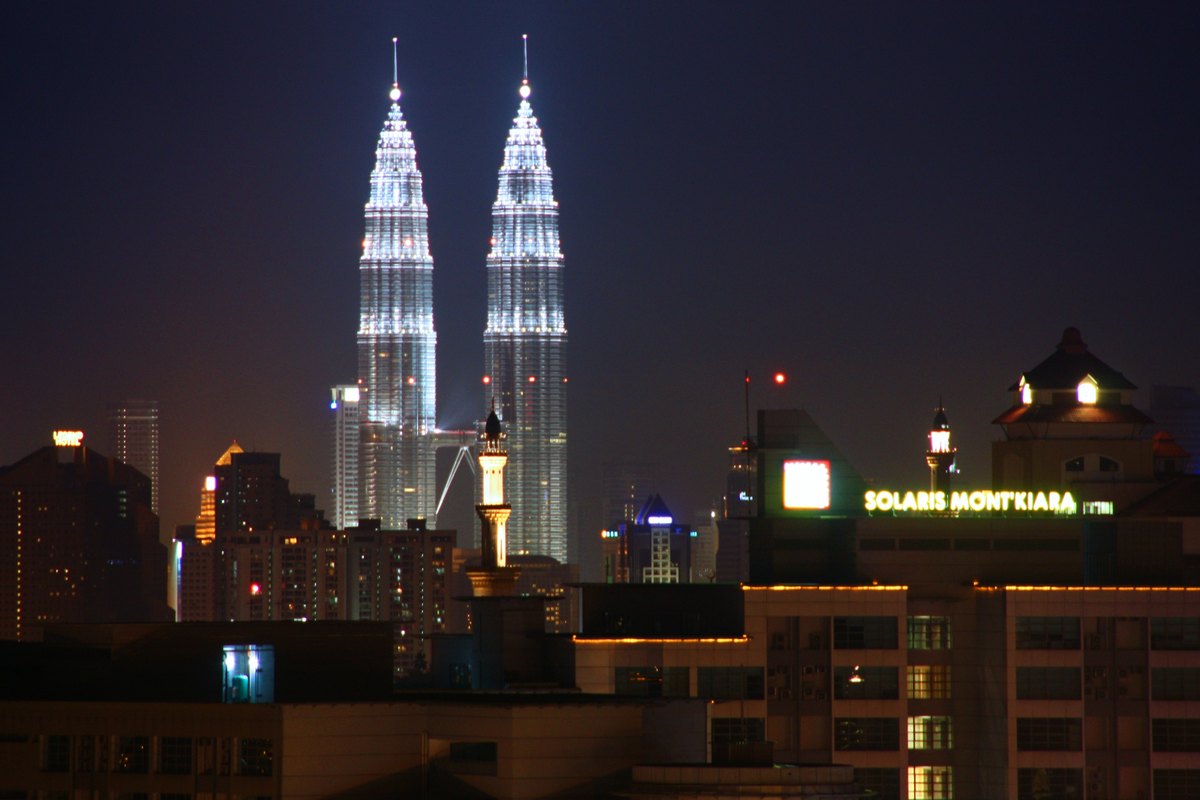
Kuala Lumpur at night — where a growing share of visitor spending now lands. Photo: Marek Ślusarczyk / Wikimedia Commons (CC BY 3.0).
What this means for four kinds of SME
Food and beverage
F&B is the second-largest slice of tourism value added, and it is where the smallest operators can compete. Growth is coming in volume rather than ticket size: more visitors, shorter stays, more meals eaten outside hotels. Clear English menu descriptions, portion sizes that suit someone eating three meals a day away from home, and fast turnover matter more than premium pricing.
Retail
Retail is the single biggest beneficiary at 50.6% of tourism value added — but it is not only mall retail. On Bank Negara Malaysia figures, around 80% of DuitNow QR merchants are small merchants with monthly sales below RM5,000. The payment rail reaches the night market and the roadside stall, not just the department store.
Homestays and short-stay accommodation
Accommodation is the weakest category for inbound spend, but the domestic market is filling the gap: 10.7% of a growing RM121.3 billion domestic spend, with stays lengthening slightly. The opportunity is in nights and repeat bookings, not in raising rates.
Tours and experiences
Cultural, sports and recreational activities account for 4.3% of tourism value added, and Tourism Malaysia is actively promoting indoor products while haze puts pressure on outdoor operators. Having a weather-proof or indoor option on your booking sheet is now a commercial hedge, not a nice-to-have.
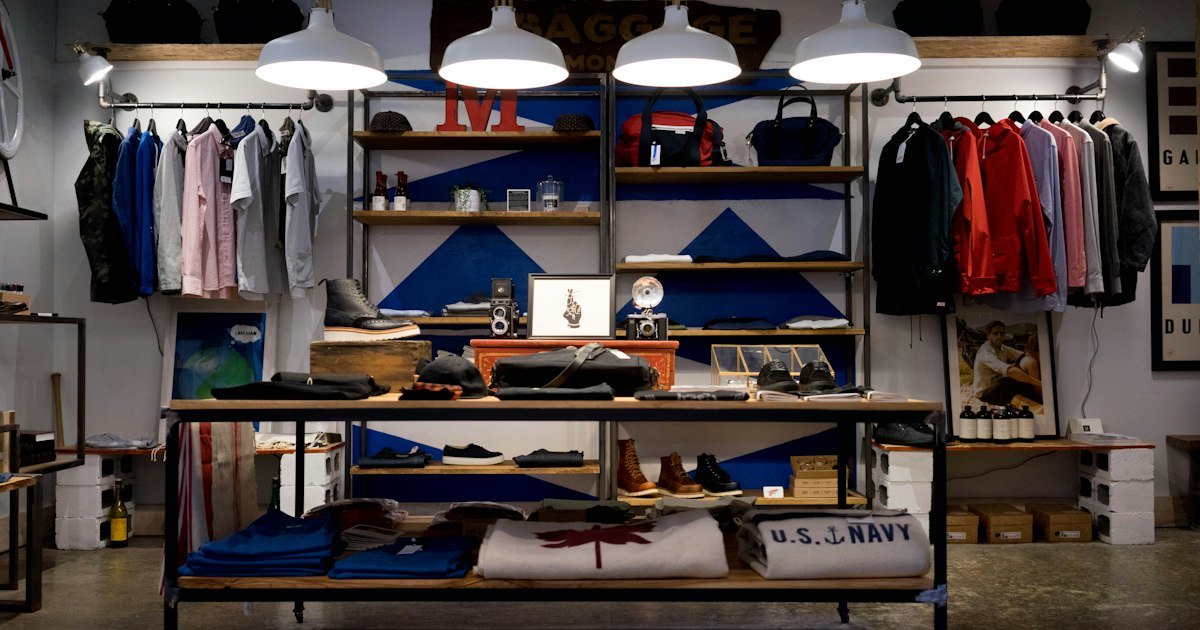
Retail trade produced 50.6% of tourism value added in 2025 — the largest single contributor, ahead of food and beverage.
The longer campaign is both an opening and a strain
Visit Malaysia 2026 has been extended to the end of 2027, with the government holding to targets of 47 million international arrivals and RM329 billion in tourism receipts. Tourism Malaysia director-general Mohd Amirul Rizal Abdul Rahim said the extension gives the global market time to recover from disruptions in the Strait of Hormuz, which have changed international travel patterns, and helps absorb the impact of the haze season on outdoor tourism such as ecotourism and beach recreation.
The strain is straightforward: a longer campaign stretches peak-season staffing, restocking and discounting by another year without guaranteeing a matching rise in demand. Malaysia recorded 21.1 million international arrivals up to June 2026, up 2.5% year on year, but West Asian arrivals fell 27.2% in the first quarter as airlines rerouted and trimmed capacity. Growth instead came from Europe, up 9.2%, Oceania, up 10.9%, and the Americas, up 8.2%. For a small operator, that is a source-market mix that shifts faster than most marketing plans.
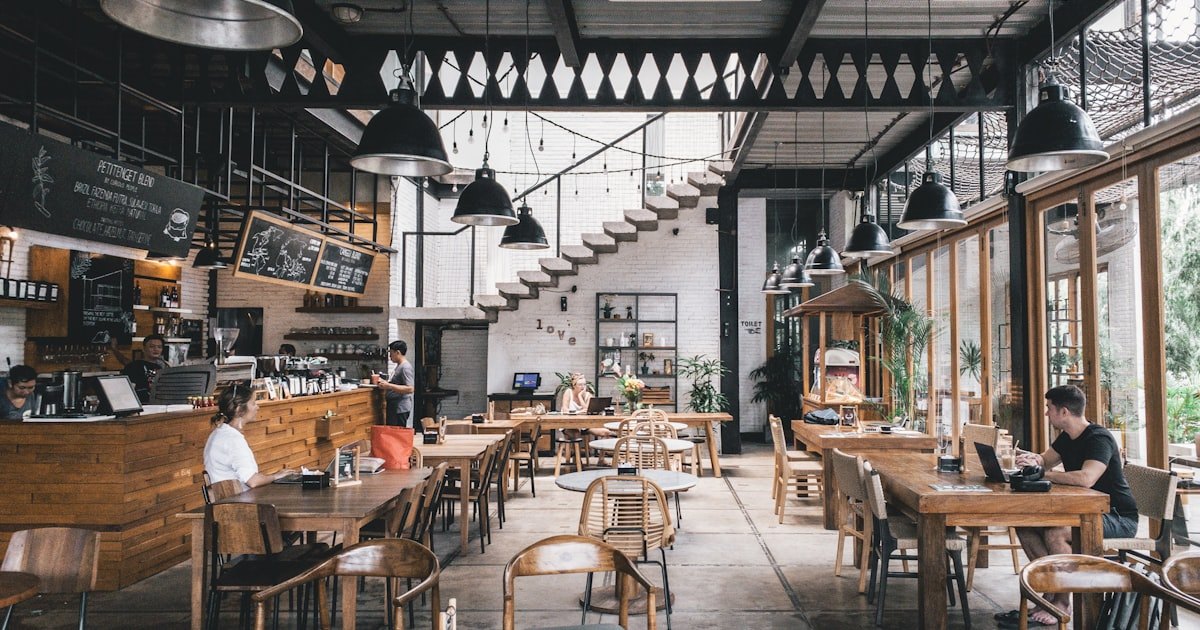
Domestic food and beverage spending accounted for 16.1% of a RM121.3 billion domestic tourism spend in 2025.
Five practical moves
Be where visitors book. Inbound operators have been blunt that Malaysian tour and activity businesses need to be listed on the major online platforms to capture the growing independent-traveller market from China, India and other core markets, rather than relying on walk-ins and agent referrals.
Accept QR payments properly. International visitors spent over RM1 billion through TNG eWallet in the first six months of Visit Malaysia 2026, with 76% of that at physical merchant locations — retail at 43% of transaction value and food and beverage at 40%. Bank Negara is also phasing out proprietary QR networks by 30 June 2028, so anything you set up now should run on the single interoperable DuitNow QR rail, which already links to Thailand, Singapore, Indonesia, China and Cambodia.
Serve in more than one language. English plus Mandarin covers a large share of current arrivals, and the DuitNow link with India's UPI system is being rolled out in phases — a detail that matters if you want a share of Indian independent travellers.
Manage reviews, not just ratings. A short, polite, factual reply to a critical review does more for a small operator than another discount voucher.
Keep a wet-weather plan. If your revenue depends on outdoor activity, decide in advance how you will redirect bookings during a haze episode, rather than improvising the week it happens.
Conclusion
Malaysia's tourism economy is bigger than it was before the pandemic — RM323 billion in value added and 15.9% of GDP — but it is being driven by shopping, food, transport and short stays rather than long hotel holidays. That shift is good news for small operators, because it spreads spending across far more businesses.
The practical response is not to chase the biggest slice, but to be findable, payable and reviewable in the categories that are growing: F&B, local retail, short-stay accommodation and experiences. With the campaign now running through 2027, the businesses that win will be the ones that treat the extra year as time to fix their channels and their payments, not as a longer season to discount through.
Frequently Asked Questions
How much did tourism contribute to Malaysia's economy in 2025?
DOSM's Tourism Satellite Account 2025, released on 15 September 2026, put gross value added of tourism industries at RM323 billion, equivalent to 15.9% of GDP, up from 15.4% in 2024. Tourism Direct GDP reached a record RM138.7 billion, or 6.8% of GDP.
Which tourism category do visitors spend the most on now?
Shopping. Of RM236.9 billion in internal tourism consumption in 2025, shopping accounted for RM88.9 billion, or 37.5%, followed by food and beverage at RM38.1 billion and accommodation at RM33.5 billion.
Why are hotels lagging if visitor numbers are up?
Inbound spending on accommodation is still 6.8% below its 2019 level, even though total inbound spending has passed pre-pandemic levels for two years running. Visitors are taking more, shorter trips and directing more of their budget to shopping, food and experiences.
Does the Visit Malaysia 2026 extension apply to all tourism businesses?
The campaign now runs to the end of 2027, with targets of 47 million international arrivals and RM329 billion in receipts. Support and promotion are channelled through Tourism Malaysia and state agencies, so the specific programmes, eligibility and application windows vary. Check with Tourism Malaysia or your state tourism body for what applies to your business.
Should a small business invest in a card terminal or QR payments?
QR is usually the cheaper entry point. Bank Negara Malaysia's Interoperable Fund Transfer Framework requires proprietary QR networks to be discontinued by 30 June 2028, leaving DuitNow QR as the single standard, and cross-border QR means visitors from several countries can pay using their own banking apps.
Julie Daphne covers tourism, hospitality and consumer trends for SMEBuddies. She has spent more than a decade tracking how travel demand moves through Malaysia's small business economy, from homestays and tour operators to restaurants and specialty retail. She writes about the practical side of hospitality — pricing, distribution channels, service standards and payment adoption — and translates national tourism data into decisions a small operator can actually act on. Her work for SMEBuddies focuses on helping Malaysian SMEs read the market before it changes around them.
Tourism Hit RM323 Billion — But Visitors Spend Differently Now