📅 July 11, 2026 • 📂 Finance & Accounting • ⏱ 9 min read
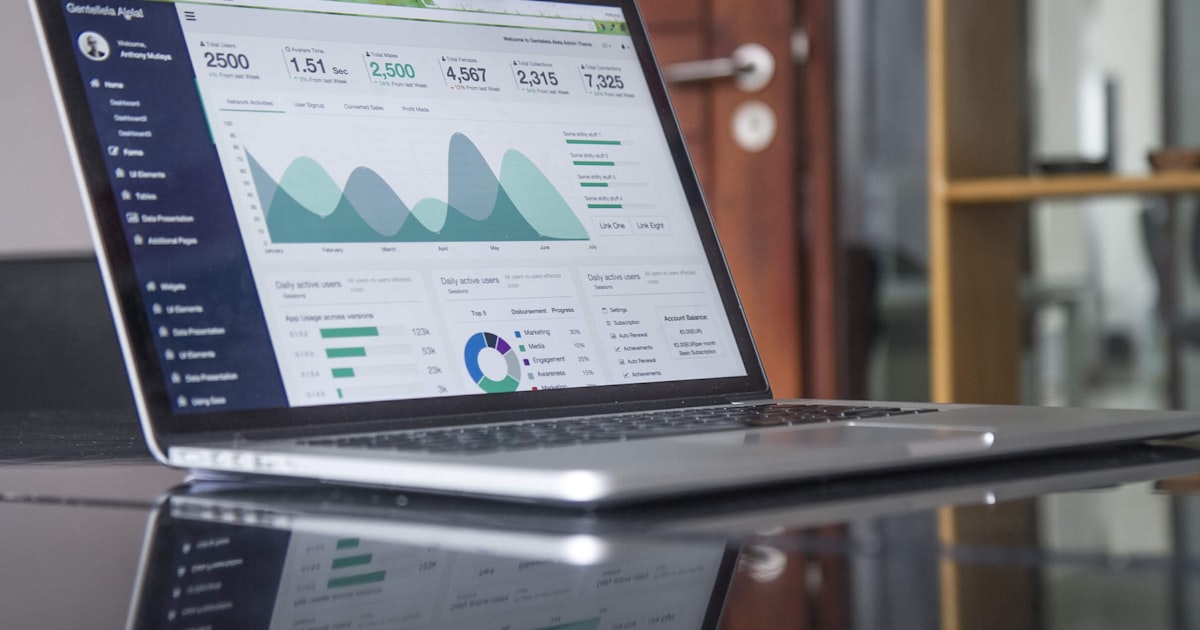
Accounting is the backbone of every business, yet it remains one of the most dreaded tasks for Malaysian SME owners. Receipts pile up, spreadsheets multiply, and tax season arrives with predictable panic. But 2026 has brought a quiet revolution: AI-powered accounting tools that handle the grunt work — receipt scanning, invoice matching, expense categorisation, and even tax estimation — with remarkable accuracy.
This article examines five AI accounting tools that are transforming how Malaysian SMEs manage their finances, and explains how to choose the right one for your business.
The Problem: Why Traditional Accounting Fails SMEs
Most Malaysian SMEs still rely on one of three approaches: manual spreadsheets, a part-time bookkeeper, or expensive accounting firms. Each has significant drawbacks:
- Spreadsheets: Prone to human error, no real-time data, nightmare during audits
- Part-time bookkeeper: Expensive for micro-businesses, limited availability, no automation
- Accounting firms: Costly (RM 500–2,000/month), mostly focused on tax filing rather than ongoing financial intelligence
AI accounting tools bridge this gap by offering automation at a fraction of traditional costs — typically RM 30–150 per month for SME plans.

AI accounting drastically reduces manual effort and error rates.
1. AutoCount AI — Malaysia's Homegrown Champion
AutoCount has been a staple in Malaysian accounting for years, and its 2026 AI-powered update puts it ahead of global competitors for local needs. The AI module automatically categorises expenses by reading receipt images, matches bank transactions to invoices, and flags anomalies like duplicate payments or unusually large expenditures.
Why it works for Malaysian SMEs:
- Built-in SST (Sales and Services Tax) handling with automatic rate updates
- Direct integration with LHDN's e-invoicing system (mandatory for most businesses from 2026)
- Supports dual-language receipts (English and Bahasa Malaysia)
- Mobile app for scanning receipts on the go — snap a photo and it is categorised instantly
Pricing: From RM 88/month for the AI starter plan. Free trial available for 30 days.
2. Xero with Hubdoc — Best for Cloud-First Businesses
Xero has long been a favourite among Malaysian startups and small businesses for its clean interface and robust bank feeds. The addition of Hubdoc (acquired by Xero) brings AI-powered document extraction that automatically pulls data from bills, receipts, and bank statements.

Xero's AI-powered reconciliation saves hours of manual data entry.
Key AI features:
- Automatic bank reconciliation — Xero suggests matches for 90%+ of transactions
- Hubdoc extracts key fields (vendor, date, amount, tax) from uploaded documents
- Cash flow forecasting using historical data and AI pattern recognition
- Multi-currency support — essential for SMEs dealing with international suppliers
Pricing: From RM 55/month for the Starter plan. Hubdoc included in higher tiers.
3. QuickBooks AI Assistant — Best for Micro-Businesses
QuickBooks has made significant strides with its AI assistant, which guides micro-business owners through accounting tasks conversationally. You can ask "How much did I spend on marketing last month?" and receive an instant, accurate answer without navigating menus.
Standout features:
- AI-powered invoice reminders — automatically follows up on overdue payments
- Receipt capture with ML-based category learning (it gets smarter the more you use it)
- Estimated tax calculations updated in real-time based on your transactions
- Simple profit and loss statements generated in one click
Pricing: From RM 35/month for the Simple Start plan. The AI assistant is included at no extra cost.
4. Wave — Best Free Option for Sole Proprietors
Wave offers a genuinely free accounting platform with surprisingly capable AI features. Receipt scanning, income and expense tracking, and basic reporting are all free. The catch is that payment processing (Wave Payments) carries transaction fees, but for sole proprietors and micro-businesses just starting out, Wave is unbeatable.
Important note for Malaysian users: Wave does not natively support SST or LHDN e-invoicing. It is best suited for very small businesses with simple finances who plan to upgrade to a local solution as they grow. Use Wave for day-to-day tracking and engage a tax agent for compliance filing.
5. Odoo Accounting AI — Best All-in-One Suite
For SMEs that need accounting integrated with inventory, CRM, and HR, Odoo's Accounting module with AI add-ons is a powerful choice. The AI reconciliation engine learns your vendor patterns and auto-matches invoices to purchase orders and payments.
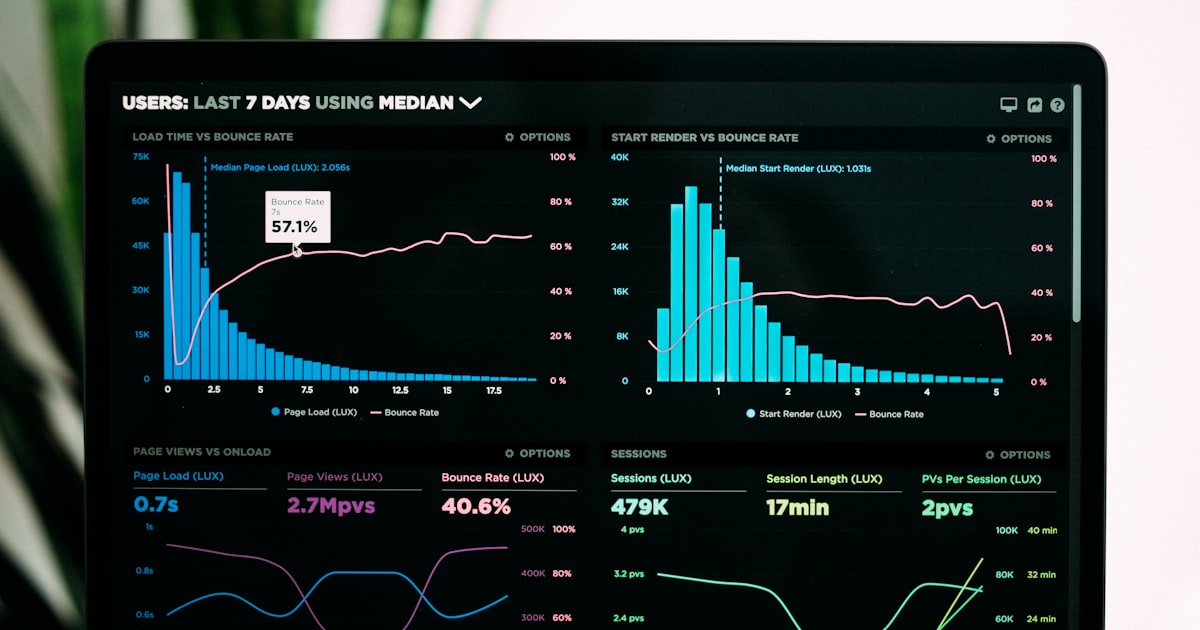
Odoo integrates accounting with inventory, CRM, and HR in one platform.
AI capabilities:
- Auto-reconciliation of bank statements with suggested matching based on past patterns
- Predictive cash flow analytics that factor in upcoming bills and expected receivables
- Anomaly detection — flags transactions that deviate from normal patterns (potential fraud or errors)
- Multi-company consolidation for businesses with multiple entities
Pricing: The Accounting app starts at RM 31/month (USD equivalent). AI features require the Enterprise plan.
How to Choose the Right Tool for Your SME
With so many options, selecting the right tool can feel overwhelming. Use this quick decision guide based on your business profile:
🔰 Micro / Solo
Revenue under RM 100K/year. Try Wave (free) or QuickBooks (RM 35/mth). Focus on basic tracking.
🏪 Small Retail / F&B
Revenue RM 100K–500K/year. Try AutoCount AI (RM 88/mth) for local compliance and inventory sync.
📈 Growing Startup
Revenue RM 500K–2M/year. Try Xero + Hubdoc (RM 55–110/mth) for scalability and multi-currency.
🏭 Multi-Department SME
Revenue 2M+/year. Try Odoo Accounting (RM 31+/mth) for full ERP integration.
Tips for a Smooth Transition
Switching from spreadsheets or manual bookkeeping to an AI tool does not have to be painful:
- Start with a trial period. Import one month of data and test the AI features. Most tools offer 14–30 day free trials.
- Clean your data first. Before importing, reconcile your bank accounts and clean up any miscategorised transactions. Garbage in, garbage out — even for AI.
- Connect bank feeds. Direct bank integration eliminates manual data entry and ensures real-time accuracy. Most Malaysian banks (Maybank, CIMB, Public Bank, RHB, Hong Leong) support Open Banking feeds in 2026.
- Set up receipt scanning habits. The AI is only as good as the data it receives. Make it a daily habit to snap receipts with your phone immediately after each purchase.
- Review AI suggestions before approving. The AI learns from your corrections. Initially, review all auto-categorisations. Within two weeks, accuracy typically climbs above 95%.
Common Concerns About AI Accounting
"Will AI replace my accountant?" No. AI handles data entry, categorisation, and reconciliation — the grunt work. Your accountant's strategic advice, tax planning expertise, and audit support remain irreplaceable. Think of AI as giving your accountant cleaner data to work with.
"Is my financial data safe?" All major tools use bank-grade 256-bit encryption. Xero and QuickBooks are SOC 2 certified. For extra peace of mind, choose a tool with Malaysian data residency (AutoCount stores data in Malaysia; Xero uses Singapore data centres).
"Can AI handle Malaysian tax rules?" AutoCount and Odoo have the strongest local compliance features. Xero and QuickBooks support basic SST tracking but may require manual adjustments for complex scenarios. Always have a qualified tax agent review your filings.
Final Thoughts
AI-powered accounting is not a futuristic luxury — it is a practical, affordable reality for Malaysian SMEs in 2026. By automating the tedious work of data entry, receipt management, and reconciliation, these tools free you to focus on what truly matters: growing your business, serving your customers, and making strategic decisions based on real-time financial insights.
The cost of entry is as low as RM 35 per month. The cost of sticking with manual methods is far higher — measured in hours lost, errors made, and opportunities missed. Try one tool this month. Let the AI do the heavy lifting. Your future self will thank you.
About SMEBuddies — We help Malaysian small business owners grow smarter with practical, actionable advice. Our articles are written by industry practitioners who understand the challenges of running an SME in Malaysia.
Conclusion
Technology continues to reshape how Malaysian SMEs operate. The key is to start small, focus on problems that matter to your business, and scale up as you gain confidence. The tools and strategies discussed in this article are within reach of most SMEs — the hardest step is taking the first one.
Frequently Asked Questions
1. What accounting software is best for SMEs?
Popular options include SQL Account, AutoCount, and Xero for Malaysian SMEs. Cloud-based solutions offer the advantage of automatic backups and remote access.
2. Do I need a professional accountant?
While software can handle bookkeeping, a professional accountant is recommended for tax filing, SST returns, and financial advisory.
3. How often should I update my books?
Daily or weekly updates are recommended. Monthly reconciliation is the minimum to ensure accurate financial reporting.
This article was written by Tan Ee Ling, a contributor to SMEBuddies. Tan covers business strategy and family enterprise topics for Malaysian SMEs.
The Rise of AI-Powered Accounting: Tools Every SME Should Try