By Ashley Lu · November 2026

A parcel changing hands. Every one of these transactions is currently governed by a patchwork of four laws and a platform's terms of service. Photo: Wikimedia Commons
What was promised, and when it actually lands
On 9 October the Prime Minister said the Bill would be tabled at the next parliamentary sitting, to strengthen the accountability of online platforms and sellers. Nine days later his deputy minister moved the date. Speaking in Kuantan on 18 October, Fuziah Salleh said the Bill would go to the first Parliament meeting of 2027, that the initial draft was complete, and that it was being refined before tabling (The Star, 18 October 2026).
She was blunt about the gap the law is meant to fill: "At present, we do not have specific legislation to regulate e-commerce. So, in most cases, we negotiate and act as intermediaries between online entrepreneurs and platform providers."
By then the ministry had already gone further than a consumer-protection Bill. On 14 October, Domestic Trade Minister Datuk Armizan Mohd Ali said a steering committee he chaired was considering a licensing regime for e-commerce platform operators, including companies based overseas that sell to Malaysian consumers (Bernama, 14 October 2026).
Why the delay is not the same as a retreat
Adding a licensing regime is what turned a straightforward consumer law into a bigger piece of legislation. Armizan told the Dewan Rakyat that the ministry had been ready to table the Bill earlier, but Cabinet asked for several improvements, including a firm licensing regime, and the draft had to be revised (New Straits Times, October 2026).
The Bill rests on four areas he has described repeatedly: consumer protection, including against cross-border platforms; the responsibilities of marketplace operators, sellers and consumers; faster and cheaper dispute resolution; and alignment with international model laws so that cross-border trade is workable. It is intended to replace the Electronic Commerce Act 2006, which validated online transactions but said little about who answers for what.
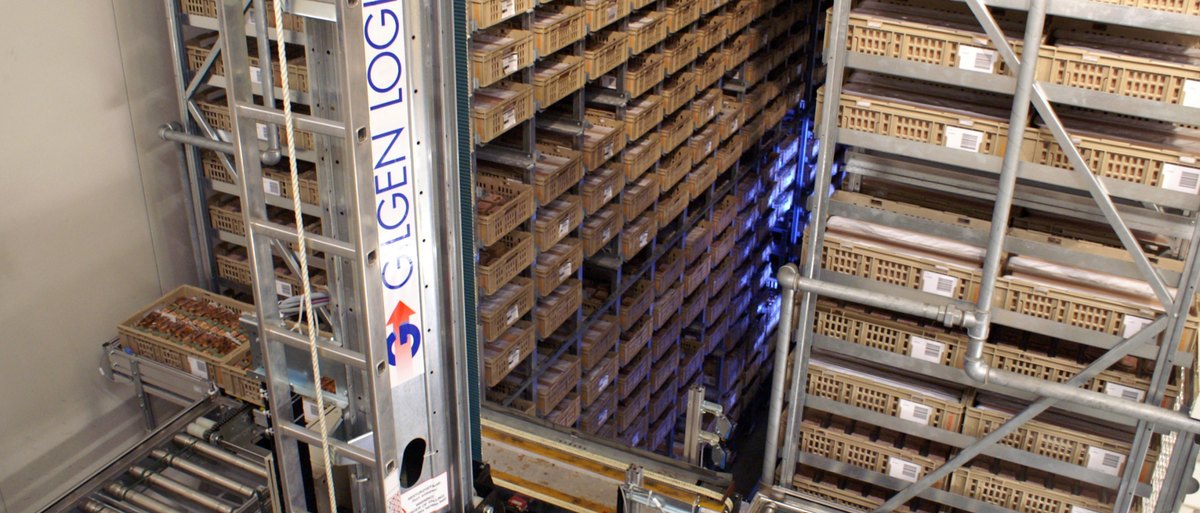
An automated small-parts store. Accurate stock and product data behind the listing is the part of compliance a platform cannot do for you. Photo: Wikimedia Commons
What the Bill is likely to require of you
Nobody outside the drafting room knows the final text. But the four areas, plus the licensing proposal and the predatory pricing discussion, point to a predictable set of demands on a seller: that you are identifiable and contactable, that your listings describe what you actually ship, that regulated goods carry the certification they need, that imported stock comes with the right documentation, that returns and refunds are handled on stated terms, and that you can produce evidence when a buyer disputes a transaction.
Predatory pricing is the newest item. Fuziah told the House on 22 October that the government is worried about goods entering through platforms at prices so low they damage local industries, and that it will look at whether mechanisms to address this can be included in the Bill (The Star, 22 October 2026).
| Issue | What applies today | Where the Bill points |
|---|---|---|
| Who the seller is | Platform verification, plus company law | A statutory identification duty, including for foreign sellers |
| Product claims | Consumer Protection Act 1999 | Clearer listing accuracy and safety duties |
| Disputes | Platform process, then tribunal or court | A faster, cheaper channel |
| Platform conduct | Contract terms | Licensing and defined responsibilities |
The patchwork you operate under now
Four instruments do the work in the absence of a dedicated statute: the Consumer Protection Act 1999 for misleading conduct and product safety, the Electronic Commerce Act 2006 for the validity of electronic transactions, the Communications and Multimedia Act 1998 for online content and network issues, and whatever your marketplace's terms of service say — which, in practice, decides most day-to-day outcomes.
That last layer is why platform economics matter as much as statute. Muda's Syed Saddiq Syed Abdul Rahman told the House that Shopee and TikTok Shop had raised platform fees more than ten times since the Bill was first announced in 2023, with fees now reaching up to 25% (New Straits Times, October 2026). Treat that as an MP's assertion rather than an audited figure — but check your own statements, because the number that matters is the one deducted from your payout.

Container cranes at Bremerhaven in Germany. Cross-border selling is the part of the market the Bill is explicitly trying to bring into the same rulebook. Photo: Wikimedia Commons
What happens to your existing listings when it lands
Expect the obligations to arrive through your seller agreement before they arrive through an inspection. When a platform is licensed, the cheapest way for it to comply is to push verification and documentation requirements down to sellers and switch off listings that fail. That usually happens with a short notice period and no appeal beyond a support ticket.
So the practical question is not what the Act will say, but which of your listings would survive a verification sweep tomorrow. Anything you cannot document — a claim, a certification, an importer — is the exposure.

A laptop, a calculator and a notebook. The useful preparation is arithmetic and paperwork, not a new system. Photo: Wikimedia Commons
A twelve-month plan that costs almost nothing
November to January: document yourself. Put your registered business name, company number and a working contact channel on every listing, every invoice and your storefront. Publish return, refund and warranty terms in plain language, with a time limit you can actually meet. This is the cheapest part of compliance and the part most likely to be tested first.
February to April: fix the catalogue. Audit your top twenty listings by revenue against the physical product. Correct dimensions, materials, certification marks and claims. For regulated categories — electricals, toys, medical devices, cosmetics — confirm the certification and importer details are on file, not just on the box.
May to July: make disputes evidential. Keep chat logs, delivery proof, photographs and refund records for a defined period in one place. If a dispute regime arrives, the seller who can produce a timeline in ten minutes wins; the one reconstructing it from memory loses.
August to October: read the Bill, then adjust. By then the text should be public. Compare it against what you built and fix the gaps rather than rebuilding from scratch.
Build tolerance, not guesses: the final scope, penalties and licensing thresholds are unpublished. Do not spend money building to an imagined penalty regime, and do not assume the exemption you want will exist. The Ministry of Domestic Trade and Cost of Living and Parliament's Bill record are the authority; a briefing slide is not. Confirm anything with a cost attached before you commit to it.
Conclusion
The Bill has moved from "next sitting" to "first meeting of 2027", and the reason is substantive: Cabinet wanted a licensing regime, which is a harder Bill to draft than a consumer-protection update.
That gives sellers a year to do the unglamorous work — identity, listing accuracy, certification, dispute records — that any version of the law will require, and that better platform economics would reward anyway.
Start with the twenty listings that earn the most. Everything else can wait for the text.
Frequently Asked Questions
1. Is the E-Commerce Bill law yet?
No. It has not been tabled. The deputy minister said on 18 October 2026 that it will go to the first Parliament meeting of 2027, with the draft complete but still being refined.
2. Will it apply to overseas sellers and platforms?
That is the stated intention. The licensing proposal covers platform operators based overseas that offer services to Malaysian consumers, and the four focus areas include cross-border enforcement.
3. Does it replace the Consumer Protection Act?
No. It is intended to replace the Electronic Commerce Act 2006, which deals with the validity of electronic transactions. Consumer protection law continues to apply alongside it.
4. What should a small seller do first?
Make yourself identifiable and contactable on every listing, and publish return and refund terms you can meet. Both are cheap, both are likely to be required, and both reduce disputes now.
5. Will the Bill cap platform fees?
Nothing published suggests a fee cap. The proposals discussed so far concern platform accountability, seller duties, dispute resolution and predatory pricing, not commission levels.
Ashley Lu covers retail, e-commerce and consumer trends for Malaysian SMEs at SMEBuddies. She writes about marketplace economics, seller operations and the rules that shape how small merchants compete online. Her focus is the arithmetic behind a listing — what a sale actually leaves after fees, returns and fulfilment.
The E-Commerce Bill Slipped to 2027: How Sellers Should Use the Extra Year