1. Supplier Selection: Choosing Your Partners Wisely
Your suppliers are your business partners. A bad supplier can ruin your reputation through delayed deliveries, poor quality, or sudden price hikes. Here is how to choose wisely:
- Quality consistency: A supplier who delivers exceptional quality one week and subpar goods the next is a liability. Ask for samples and place small trial orders before committing.
- Reliability and lead times: How long does it take from order to delivery? Do they consistently meet their promised timelines? Check references from other customers.
- Pricing transparency: Beware of hidden costs. A cheap supplier might hit you with surprise shipping, handling, or packaging fees. Get everything in writing.
- Minimum order quantities (MOQs): Many suppliers have MOQs that may be too high for a small business. Negotiate lower MOQs or find suppliers who cater specifically to SMEs.
- Location: Local Malaysian suppliers offer faster delivery, easier communication, and lower shipping costs. However, for specialised items, you may need to source internationally.
Pro tip: Always have at least two qualified suppliers for your critical items. Over-reliance on a single supplier is one of the biggest risks for SMEs — if that supplier fails, so does your business.
2. Inventory Management: Balancing Stock and Cash
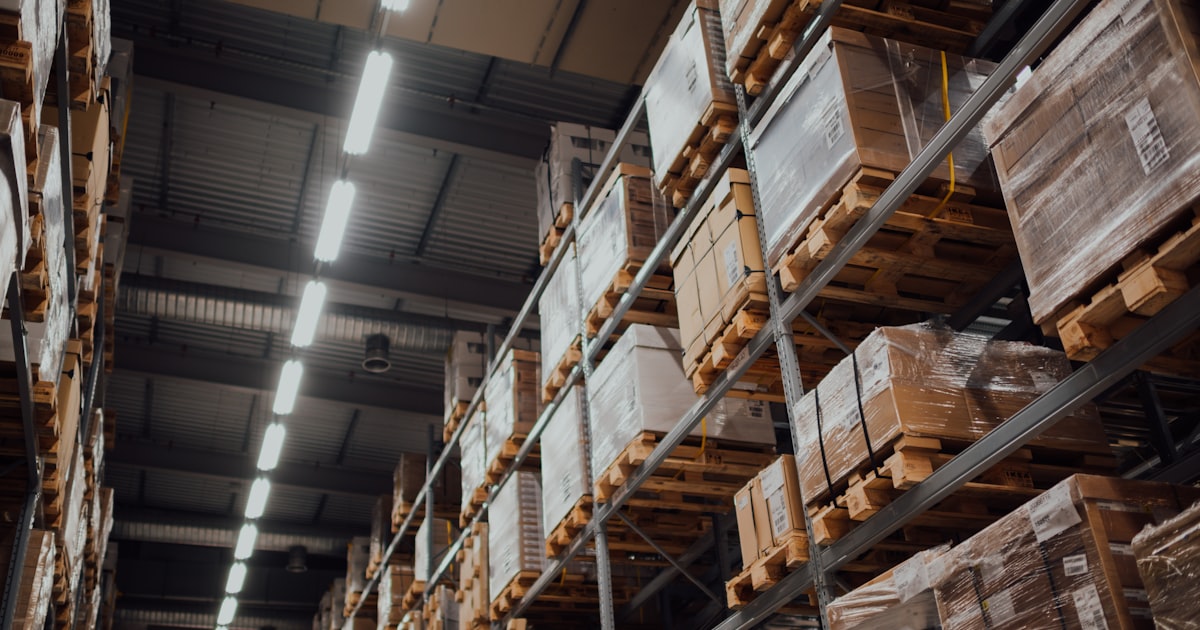
Inventory is one of the biggest costs for any product-based SME. Too much inventory ties up your cash and risks obsolescence. Too little inventory leads to stockouts, lost sales, and unhappy customers. Finding the right balance is the essence of inventory management.
The ABC Method
Not all inventory items are equal. The ABC method categorises your inventory into three groups:
- A-items (high value, low volume): These are your most expensive or fastest-selling items. Monitor these closely and count them frequently.
- B-items (moderate value and volume): Manage these with standard procedures and periodic reviews.
- C-items (low value, high volume): These are cheap, small items like packaging, screws, or stationery. Keep a larger buffer stock and review less frequently.
Just-in-Time (JIT) for SMEs
Just-in-Time inventory means ordering stock so it arrives exactly when you need it — no earlier, no later. This reduces storage costs and cash tied up in inventory. However, JIT requires reliable suppliers and accurate demand forecasting. For Malaysian SMEs, a modified JIT approach — keeping a small safety stock buffer — is often more practical, especially given potential shipping delays.
3. Logistics: Getting Goods Where They Need to Be
Logistics covers the movement of goods from your suppliers to your business and from your business to your customers. For Malaysian SMEs, the logistics landscape has become more competitive and affordable in recent years, with multiple options available:
- Last-mile delivery: Companies like Pos Malaysia, Ninja Van, GDEX, J&T Express, and DHL eCommerce offer affordable last-mile delivery services across Malaysia. Compare rates and service quality — they vary significantly by region.
- Freight forwarding: For businesses importing or exporting goods, a freight forwarder handles shipping, customs clearance, and documentation. This is especially important for SMEs that do not have in-house logistics expertise.
- Warehousing: If you need storage space but cannot afford your own warehouse, third-party logistics (3PL) providers in Malaysia offer shared warehousing and fulfilment services on a pay-per-use basis.
East Malaysia considerations: Shipping to Sabah and Sarawak is more expensive and slower than Peninsular Malaysia. Factor these costs into your pricing and set clear delivery expectations with customers.
4. Supplier Relationship Management
A common mistake among SME owners is treating suppliers as interchangeable vendors to be squeezed on price. The most successful businesses treat their key suppliers as strategic partners. Here is how to build strong supplier relationships:
- Pay on time: Nothing builds trust faster than consistent, timely payments. Suppliers prioritise customers who pay reliably.
- Communicate clearly: Share your demand forecasts, seasonal fluctuations, and any issues early. Surprises damage relationships.
- Visit when possible: For local suppliers, visit their premises. Understand their operations, constraints, and capabilities firsthand.
- Negotiate fairly: Push for better terms, but do not squeeze your supplier to the point where they cut corners on quality or delivery just to maintain margin. A fair deal is a sustainable deal.
- Provide feedback: Let your supplier know what is working and what is not. Most suppliers appreciate honest feedback and will work to improve.

Practical Steps to Improve Your Supply Chain Today
- Map your current supply chain: Write down every step from raw material to customer delivery. Identify bottlenecks and single points of failure.
- Review your top 5 suppliers: Evaluate their performance over the past 12 months. Rate them on quality, delivery, price, and communication.
- Build a backup plan: For critical items, identify at least one alternative supplier and get a preliminary quote.
- Track key metrics: Monitor your inventory turnover rate, order fulfilment time, and supplier on-time delivery percentage.
- Invest in simple software: Even a basic spreadsheet or a free inventory management app like Zoho Inventory (free tier available) is better than relying on memory and paper records.
Frequently Asked Questions
Q: What is the best inventory management method for a very small business?
Start with the ABC method and a simple spreadsheet or free inventory app. As you grow, consider affordable SME-focused tools like Zoho Inventory, Odoo (community edition), or even a simple Google Sheets setup with basic formulas tracking stock levels and reorder points.
Q: How do I find reliable suppliers in Malaysia?
Start with trade directories like MATRADE's directory, industry associations, and B2B platforms like Alibaba or TradeIndia. Attend trade shows like MIFB (food) or MIFF (furniture). Ask for referrals from other business owners — word of mouth remains one of the most reliable ways to find good suppliers in Malaysia.
Q: Should I import raw materials or buy locally?
Local sourcing is generally faster, cheaper to ship, and easier to manage. However, if the required quality or price is not available locally, importing may be necessary. A common approach for SMEs is to source locally for standard items and import only for specialised or high-value inputs.
Q: What is the biggest supply chain risk for Malaysian SMEs right now?
Supply chain concentration risk — relying too heavily on a single supplier or single region. With ongoing global trade tensions and shipping route disruptions, diversifying your supplier base is the single most effective risk mitigation strategy for Malaysian SMEs in 2026.
This article was written by Ryan Lim, a contributor to SMEBuddies. Ryan covers business operations and technology topics to help Malaysian SMEs grow smarter.
Supply Chain Management Basics for Malaysian SME Owners