By Ryan Lim · September 2026
The US$790 Million Signal
According to Singapore Business Review's August 2026 round-up, EV startups across Southeast Asia raised US$790 million, with Singapore taking the largest share of the pie. The Business Times separately notes that Singapore-based EV startups have pulled in US$622 million cumulatively since 2016 — evidence that regional investors see electric mobility as a long-term growth story, not a passing trend.
Why should a Malaysian SME care? Because capital follows markets — when investors fund EV technology in Singapore, demand for components, charging hardware and services spreads across the region, and Malaysia's manufacturing base sits squarely in that supply chain.
Malaysia's EV Market Is Accelerating
Malaysia's own EV transition is well under way. The National Energy Transition Roadmap targets EVs to make up about 20% of new car sales by 2030, and the government has extended import duty and excise exemptions to encourage adoption. Local and international brands — Proton's e.MAS 7, BYD, Tesla, GWM and Perodua's upcoming models — are competing for Malaysian buyers, and public charging networks operated by Gentari, ChargEV and JomCharge now number in the thousands of points nationwide.
For SMEs, the market is no longer theoretical. Customers are driving EVs to your premises, suppliers are electrifying their delivery fleets, and the government is signalling that green credentials matter for tenders and licensing.
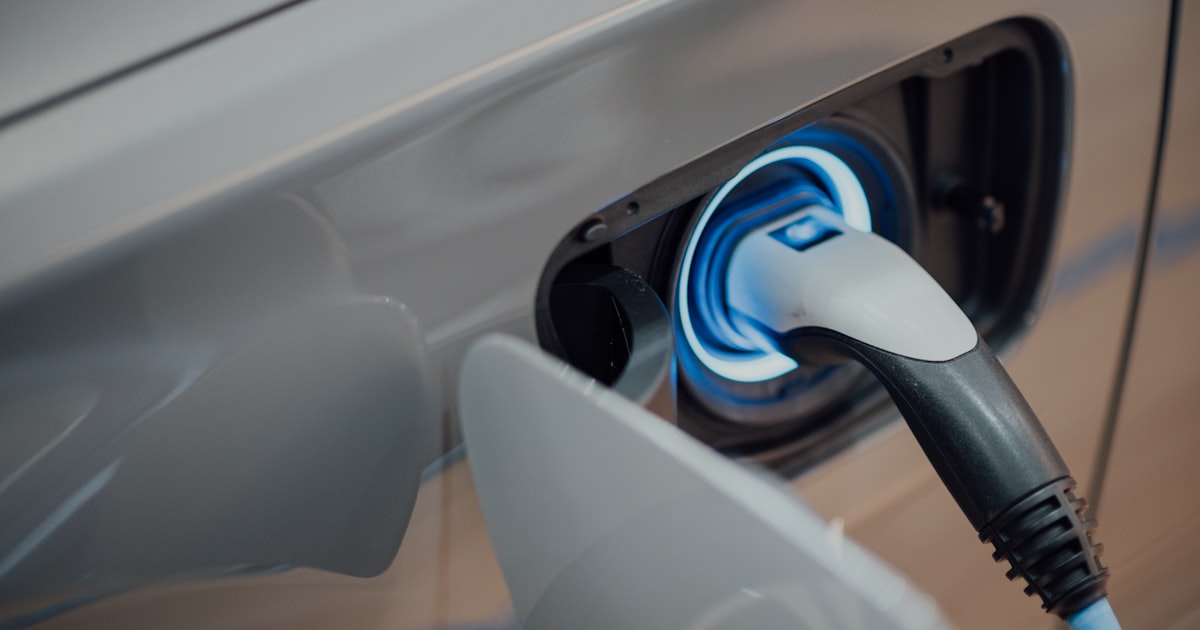
Public charging networks are expanding rapidly across Malaysia's highways and cities.
EV Supply Chain: Where Malaysian SMEs Fit
Malaysia's electronics and electrical sector is already a global supplier, and EV components are a natural extension. SMEs in precision machining, cable harnesses, connectors, injection moulding and stamping can serve both domestic EV assemblers and the regional supply chain. Battery pack assembly, thermal management parts and interior components are all areas where Malaysian manufacturers have credible capability.
Getting in requires certification — typically ISO 9001 or IATF 16949 — plus volume and delivery capability. SME Corp and MITI programmes support upgrades to automotive-grade processes, and early movers face far less competition.
Charging Infrastructure: The Adjacent Opportunity
If you own commercial property — a shopping centre, office, hotel, F&B outlet or factory — charging infrastructure is the most direct EV opportunity. An AC charger costs roughly RM8,000 to RM20,000 installed; a DC fast charger runs RM80,000 to RM250,000. Operators like Gentari and ChargEV often partner on revenue-sharing or lease models, reducing upfront risk.
There are incentives too: the Green Investment Tax Allowance provides tax relief on green assets including charging equipment, and demand is growing as more Malaysian drivers go electric. Even two or three chargers can make a premises the preferred stop for EV-driving customers.
Electric delivery fleets are cutting fuel costs dramatically for logistics SMEs.
Fleet Electrification: Cutting Operating Costs
For logistics, delivery and service businesses, electrifying a fleet is now a cost question, not just an environmental one. Electric vans and motorcycles cost roughly RM0.04 to RM0.06 per kilometre in electricity versus RM0.20 or more for petrol — a saving of 70% or more on fuel alone, before counting lower maintenance from fewer moving parts. Grab and major logistics players are already deploying thousands of EVs, and SMEs that electrify early can bid for corporate contracts that require green delivery.
The maths needs care: purchase prices are higher and battery degradation affects resale value, but total cost of ownership models usually show payback in three to five years for high-mileage vehicles.
Adjacent Services: The Wider Ecosystem
Beyond hardware, the EV wave creates service opportunities: EV-specialised workshops and tyre shops, vehicle battery testing and recycling, EV-specific insurance products, and training academies for EV technicians — a skill in short supply in Malaysia. Charging management software, fleet tracking dashboards and financing products for EV buyers are all services SMEs can build or resell.
Export potential matters too. Malaysian SMEs that develop EV-related components or services can serve regional markets, especially as Indonesia, Thailand and Vietnam accelerate their own transitions.

EV servicing and technician training are high-demand skills in short supply.
What Malaysian SMEs Should Do Next
- Map your supply chain: could your existing products or skills serve EV makers or charger manufacturers?
- If you own property, get quotes for AC and DC chargers and compare operator partnership models.
- If you run vehicles, build a total cost of ownership model comparing EVs with your current fleet.
- Check current incentives — GITA, import duty exemptions and any new NEV-related programmes.
- Upskill one or two staff in EV servicing or charging installation through recognised training.
Conclusion
The US$790 million flowing into Southeast Asian EV startups is a leading indicator: the region's electric mobility market is attracting serious capital, and Malaysia is positioned in the middle of it. SMEs that move early — into the supply chain, charging infrastructure, fleet electrification or adjacent services — will ride the wave rather than watch it pass.
Start small and measurable: one charger, one electric vehicle, one certification. The infrastructure and policy support are already in place; 2026 is the year to position your business for the transition.
The EV economy is coming to Malaysia. The question is whether your business is on the vehicle or beside the road.
Frequently Asked Questions
1. Is it too late for Malaysian SMEs to enter the EV market?
No. The market is still early — charging networks, servicing capacity and supply chain gaps remain wide open, and regional funding will keep the sector growing for years.
2. How much does it cost to install an EV charger at my premises?
AC chargers cost roughly RM8,000 to RM20,000 installed, while DC fast chargers run RM80,000 to RM250,000. Revenue-sharing partnerships with operators like Gentari or ChargEV can cut the upfront cost significantly.
3. What government incentives are available for EV adoption?
Import duty and excise exemptions apply to many EV models, and the Green Investment Tax Allowance gives tax relief on green assets including charging equipment. Check the latest NEV roadmap updates for new programmes.
4. Can my existing workshop service EVs?
Yes, with training. EV servicing requires certified technician training and safety equipment because of the high-voltage systems involved. Demand for qualified EV technicians currently outstrips supply.
5. Is an electric van practical for my delivery business?
For urban, high-mileage routes, yes — check range against daily routes and charging availability first. Total cost of ownership usually beats petrol vehicles within three to five years.
Ryan Lim is a technology trends and digital transformation writer for SMEBuddies, covering electric mobility, renewable energy and emerging technology for Malaysian small business owners. He has spent years tracking regional funding rounds, government energy policy and industry data, and turning them into practical business guidance. His articles help SMEs spot opportunities in new industries before they become crowded. When he is not writing, he is following EV market data and charging network developments across Southeast Asia.
Southeast Asia's EV Startups Raised US$790 Million — What It Signals for Malaysian SMEs