Your workout gear is getting smarter than your personal trainer. The "Physical AI" revolution is exploding in consumer search volume, with devices like smart basketballs (+6,700%), AI-powered resistance bands, and smart yoga mats that track alignment, posture, and metrics in real-time. These aren't just gadgets — they're automated personal coaches that learn your body and adapt to your progress.
The convergence of inexpensive sensors, edge AI processing, and consumer demand for quantified fitness has created a new category of smart fitness hardware that's growing faster than almost any other consumer tech segment.
The Rise of AI Fitness Hardware
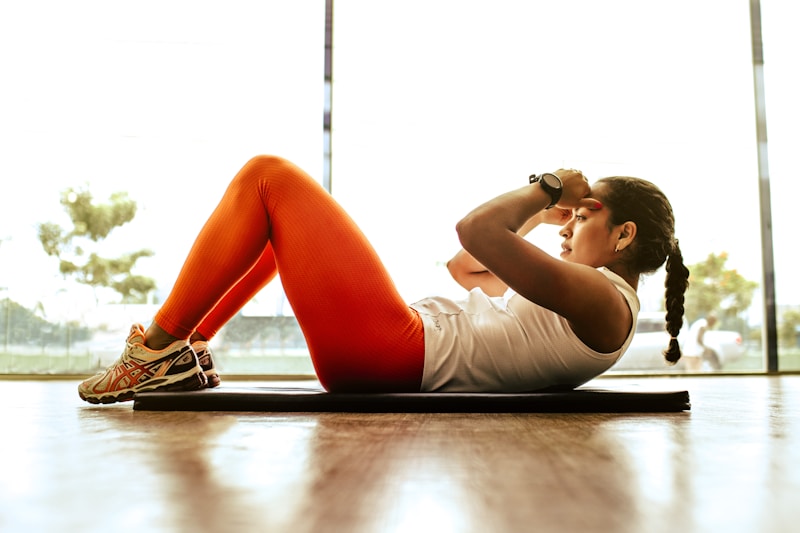
What distinguishes AI fitness hardware from traditional "smart" fitness trackers is real-time biomechanical analysis. While a smartwatch tracks your heart rate and steps, AI fitness hardware tracks the quality of your movement — whether you're shooting a basketball with proper form, holding a yoga pose with correct alignment, or executing a bicep curl without compromising your shoulder position.
The technology behind these devices includes:
- Embedded IMU sensors — Accelerometers and gyroscopes that track movement in 3D space at high sampling rates
- Edge AI processors — On-device machine learning that analyses movement patterns in real-time without cloud latency
- Haptic feedback — Vibration or audio cues that correct form during the movement, not after
- Longitudinal learning — AI that builds a model of your unique movement patterns and tracks progress over time
Smart Basketballs and Ball Sports

The most dramatic growth has been in AI-enabled ball sports equipment. Smart basketballs embed sensors that track every shot's arc angle, backspin, entry angle, and miss pattern. The AI provides real-time audio feedback ("your shot is landing short — increase arc by 5 degrees") and builds personalised training programmes.
Similar technology is appearing in smart soccer balls (tracking strike accuracy and power), smart tennis rackets (analysing swing path and contact point), and smart golf clubs (measuring swing plane and clubhead speed). The common thread is that AI is transforming practice from repetitive drilling to data-driven skill development.
Yoga Mats, Resistance Bands, and Beyond
Beyond ball sports, AI fitness hardware is expanding into entirely new categories:
- Smart yoga mats — Pressure sensors detect foot and hand placement, providing real-time alignment corrections through a companion app or integrated display
- AI resistance bands — Smart bands measure tension, range of motion, and muscle activation, adjusting resistance recommendations based on fatigue detection
- Smart jump ropes — Track not just jump count but jump height, wrist rotation efficiency, and calorie burn with greater accuracy than traditional estimators
- AI posture correctors — Wearable devices that vibrate when you slouch, learning your typical posture patterns and providing increasingly subtle corrections
For Malaysian consumers and businesses in the fitness space, this represents a significant opportunity. The global smart fitness equipment market is projected to grow substantially, and early movers in distribution, content creation, and localised fitness programming stand to benefit.
Frequently Asked Questions
Are AI fitness devices worth the investment?
For serious athletes and fitness enthusiasts, AI fitness hardware provides coaching-quality feedback at a fraction of the cost of personal training sessions. For casual users, the motivational aspect of quantified progress often justifies the investment. The key is matching the device to your specific fitness goals and preferred activities.
How accurate is the AI feedback compared to a human coach?
AI fitness devices excel at objective measurement — tracking angles, forces, and patterns that humans can't perceive. However, they lack the contextual understanding of a human coach who can see why you're compensating for an injury or adapting to fatigue. The best results come from combining AI feedback with periodic human coaching.
Do I need internet access for these devices to work?
Most AI fitness hardware processes data on-device using edge AI chips, meaning they work offline for real-time feedback. Cloud connectivity is typically used for long-term progress tracking, social features, and firmware updates. This makes them suitable for use in gyms, outdoor courts, and locations with limited connectivity.
Which AI fitness device should I start with?
Start with the device that matches your primary fitness activity. Basketball players should look at smart basketballs first. Yoga practitioners will benefit most from a smart yoga mat. For general fitness, AI resistance bands offer the broadest range of exercises and tracking capabilities. Most manufacturers offer trial periods to test before committing.
Conclusion
As a Malaysian SME, staying informed and taking action on what you learn is what sets your business apart. The strategies and tools discussed in this article are designed to be practical and achievable. Start with one area, master it, then expand. Remember, the goal is progress, not perfection.
This article was written by the SMEBuddies editorial team. We help Malaysian small business owners grow smarter with practical, actionable advice.
Smart Embedded AI Fitness Hardware: Your Workout Gets a Personal AI Coach