The software development landscape has crossed a threshold. Advanced AI models are now writing massive portions of their own internal codebases at leading tech companies. The role of the human developer is transforming from hands-on coder to system orchestrator — acting as judge, architect, and compliance checker.
This isn't speculative futurism. Industry leaders are reporting that AI-generated code now accounts for a significant and growing share of production code. The question is no longer “can AI write code?” but “how do we manage the code AI writes?”
The Shift from Coding to Orchestration
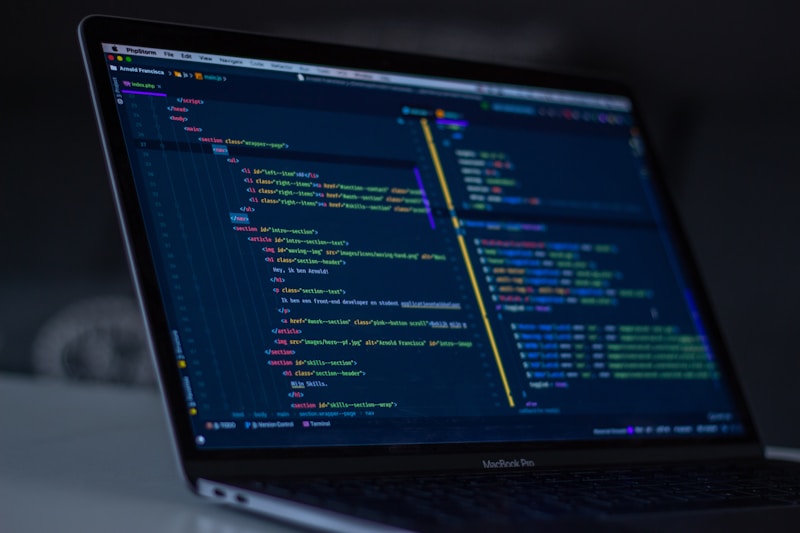
The most significant change in software development isn't a new programming language or framework — it's a fundamental shift in the developer's role. Instead of writing every line of code from scratch, developers now spend their time:
- Architecting solutions — Defining the overall system design and letting AI fill in the implementation details
- Reviewing AI output — Acting as quality gatekeepers for code generated by models like Claude, GPT-4o, and specialised coding agents
- Orchestrating multi-agent systems — Managing teams of AI agents that each handle different parts of the codebase
- Ensuring compliance — Checking that AI-generated code meets security, licensing, and architectural standards
This shift is driving demand for new tooling categories: AI agent frameworks for software development, code audit platforms specifically designed for AI output, and comparison guides for AI-native development platforms.
Managing AI-Generated Code at Scale
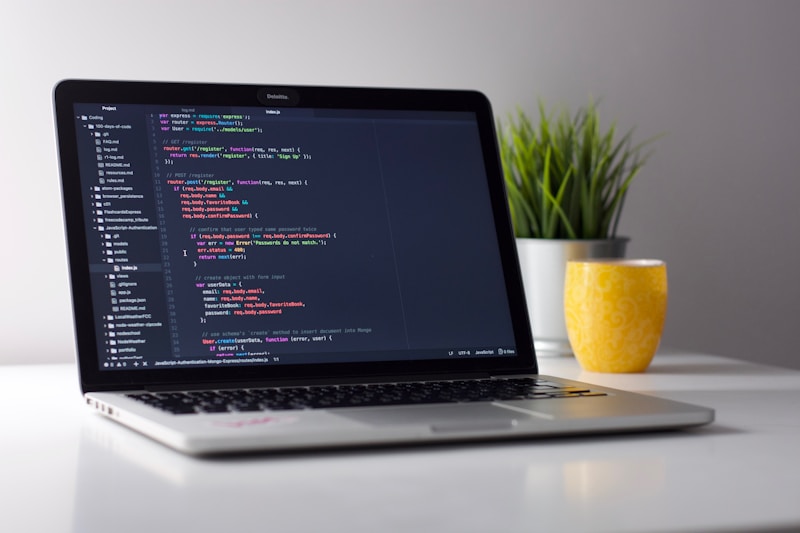
With AI writing more code, the challenge becomes quality control at scale. Traditional code review processes weren't designed for the volume and nature of AI-generated contributions. Key considerations include:
- Security auditing — AI models can introduce subtle vulnerabilities that traditional linters won't catch. Dedicated AI code audit tools are emerging to fill this gap.
- Licensing compliance — AI models trained on open-source code may produce output with unclear licensing status. Teams need automated checks before merging.
- Consistency enforcement — AI-generated code may use different patterns than human-written code. Maintaining a unified codebase requires careful prompt engineering and review standards.
Best AI Agent Frameworks for Development

The market for AI development tools has fragmented rapidly. Here are the key categories CTOs should be evaluating:
- Code completion agents — Tools like GitHub Copilot and Amazon CodeWhisperer that integrate directly into IDEs for inline suggestions
- Autonomous coding agents — Systems like Claude's coding capabilities and Devin that can plan and execute multi-step development tasks independently
- Orchestration platforms — Frameworks that coordinate multiple AI agents across a codebase, managing dependencies and handoffs between agents
- Review and audit tools — Platforms specifically designed to analyse AI-generated code for security, quality, and consistency issues
The key insight for CTOs: the best approach is usually a hybrid strategy that combines multiple tools for different stages of the development lifecycle. Invest in orchestration and audit capabilities before scaling AI code generation.
Frequently Asked Questions
How much code is AI writing in production today?
Leading tech companies report that 30-50% of new code is now AI-generated or AI-assisted. This ranges from simple boilerplate to complex business logic. The trend is accelerating as models improve and teams develop better workflows for managing AI output.
Is AI-generated code safe for production?
AI-generated code can be production-ready when properly reviewed. The key is implementing robust review processes, security scanning, and testing automation specifically designed for AI output. Treat AI-generated code with the same scrutiny as code from a junior developer — and invest in dedicated AI code audit tools.
What skills do developers need in an AI-driven world?
The most valuable skills are shifting from syntax proficiency to system design, prompt engineering, code review, and AI orchestration. Developers who understand how to guide, review, and integrate AI output will be more valuable than those who focus solely on writing code from scratch.
Which AI coding tool is best for my team?
The answer depends on your tech stack, team size, and security requirements. GitHub Copilot is excellent for general-purpose inline completion. Claude excels at complex architectural tasks and generating larger code blocks. For privacy-critical work, local models like Code Llama are preferred. Most teams benefit from a combination of tools used at different stages of development.
Conclusion
As a Malaysian SME, staying informed and taking action on what you learn is what sets your business apart. The strategies and tools discussed in this article are designed to be practical and achievable. Start with one area, master it, then expand. Remember, the goal is progress, not perfection.
This article was written by the SMEBuddies editorial team. We help Malaysian small business owners grow smarter with practical, actionable advice.
Self-Improving Code Workflows: When AI Builds Its Own Future