By Dennis Tan · September 2026

Consumers across Southeast Asia now do most of their online shopping inside mobile apps.
The Numbers Behind the Boom
Southeast Asia has officially become the world's fastest-growing e-commerce region. Asia Tech Review reported in August 2026 that the market keeps beating its own forecasts, with regional gross merchandise value expected to pass US$300 billion within a few years — and mobile apps doing most of the heavy lifting.
Attribution firm Adjust's shopping-app data shows Southeast Asia among the fastest-growing shopping app markets globally, with Singapore leading in adoption and engagement — high session counts and strong retention. Malaysia is not far behind, and the pattern is regional: consumers are not just shopping online, they are shopping inside apps, daily. For a small business, that changes where you need to be found.
Choosing Your Platform: Shopee, TikTok Shop or Lazada
Malaysia's marketplace scene is effectively a three-horse race, and each platform suits a different kind of SME.
Shopee remains the volume leader — where shoppers go for variety and bargains. Commission sits in the 2–5% range plus payment fees, and its in-app traffic is the largest in the country. If you sell everyday goods, household items or fashion, this is your default storefront.
TikTok Shop is the fastest riser. Sellers pay a lower base fee — roughly 1.8% — but you are expected to bring content: videos, live streams and creators. It works best for products that look good on camera.
Lazada is strongest for electronics, brand-conscious urban shoppers and anyone who wants its mature logistics arm. Start on one platform, learn the mechanics, and expand only when the first store is profitable.
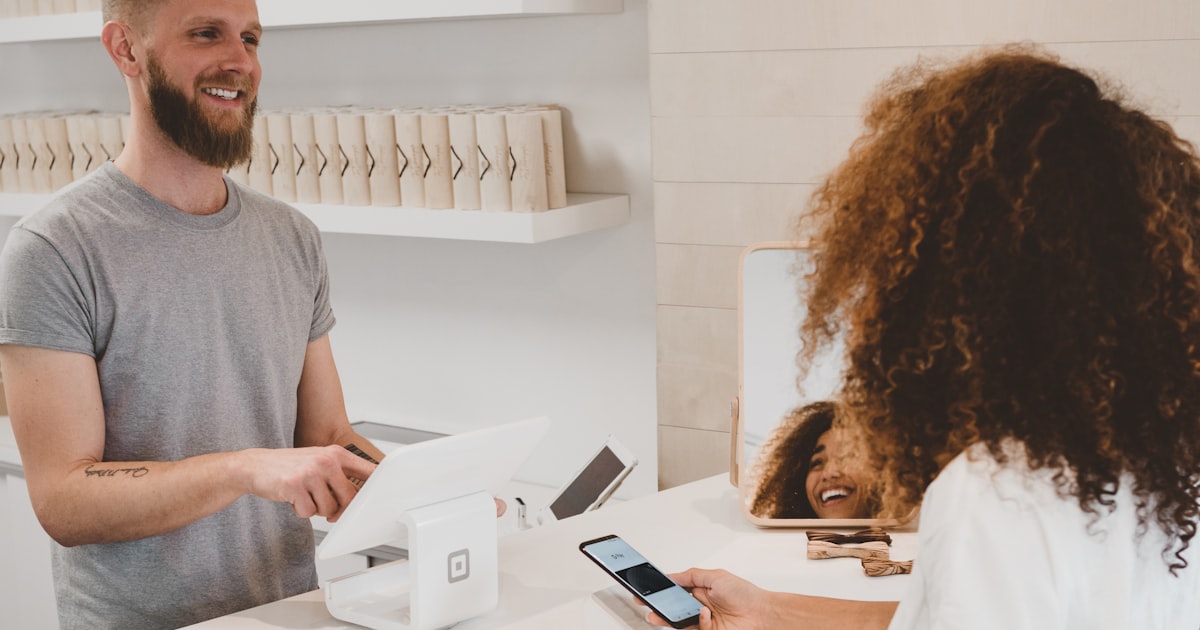
In-app features like vouchers, coins and flash sales drive most conversions.
App-Based Marketing That Actually Works
Selling on an app means marketing inside that app. Push notifications, used sparingly, pull shoppers back — a flash sale alert at 8pm converts better than a generic email. In-app vouchers and coins, gamified checkout and bundle deals all nudge the impulse buyer.
Paid ads inside the platforms are the fastest way to test demand: RM50 a day on a single promoted product tells you within two weeks whether the product, price and creative work. Pair that with micro-creators — even 10,000–50,000 followers can move meaningful volume for niche products at a fraction of the cost of big names.
Live Selling Is Not Optional Anymore
Live selling has gone from experiment to expectation. TikTok Shop's live streams routinely convert at several times the rate of standard listings, because viewers can ask questions, see the product in use and buy without leaving the video. You do not need a studio: a phone on a tripod, decent lighting and a clear script are enough.
The formula that works: demo the product genuinely, run a limited-time bundle during the stream, and schedule sessions at fixed times — twice a week is a realistic start — so followers build a habit of tuning in.
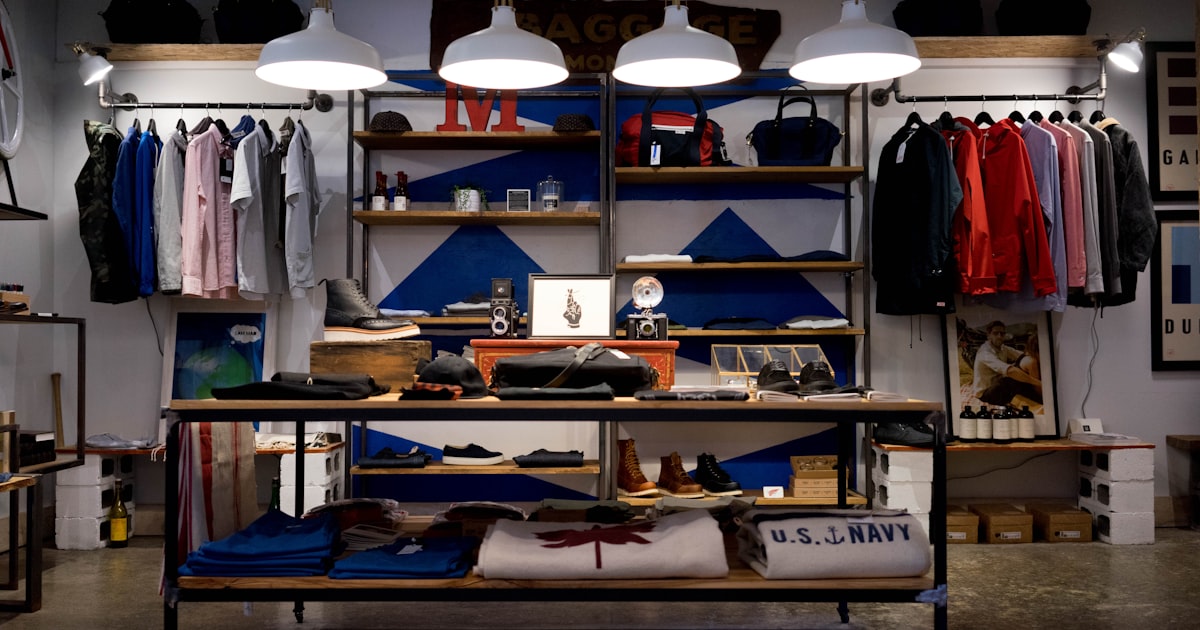
A simple phone-and-tripod setup is enough to start live selling.
Logistics: Where Small Sellers Win or Lose
Nothing kills a shopping-app business faster than slow, unreliable delivery. Malaysia's courier market — J&T, SPX, Ninja Van, Pos Laju and platform networks — is competitive, but East Malaysia shipping can cost two to three times peninsula rates. Use separate rates for Sabah and Sarawak, free-shipping thresholds to lift basket size, and fulfilment services once volume outgrows your storeroom.
Returns matter too. A clear, fast refund policy builds the trust that converts one-time buyers into regulars.
Building Repeat Purchases
Acquiring a new customer costs five to ten times more than selling again to an existing one. Membership and loyalty programmes, subscriptions for consumables, seasonal bundles and post-purchase follow-ups via WhatsApp (with consent) all push the second order.
The businesses that win in this boom are not the ones with the cheapest prices — they are the ones with the fastest delivery, the most entertaining live streams and the strongest habit of bringing buyers back.
Fast delivery and easy returns are the strongest drivers of repeat purchases.
Conclusion
Southeast Asia's shopping-app boom is a structural shift, not a passing trend, and Malaysian SMEs are well positioned to ride it. Choose one platform and master it, market inside the app where your customers already are, take live selling seriously, and treat logistics and repeat purchase as core competencies. The window is open now; sellers who enter early and build habits will be the ones still growing when the market matures.
Frequently Asked Questions
1. Which platform should a new Malaysian seller start with?
Start with Shopee for maximum reach and a straightforward marketplace model, or TikTok Shop if you can produce video and live streams. Lazada suits electronics and brand-focused products. Master one platform before expanding.
2. How much does it cost to start selling on these platforms?
Budget RM500–2,000 to start: registration is largely free, and your main costs are initial stock, a phone-and-tripod setup, and a paid-ad test budget of around RM50 per day. Commissions of 2–5% apply only when you sell.
3. Is live selling really necessary?
Not strictly, but it is the highest-converting sales channel in the region — live streams on TikTok Shop routinely convert several times better than standard listings. Start with two short sessions a week and measure.
4. How should I handle delivery to Sabah and Sarawak?
Set separate shipping rates for East Malaysia, use the platforms' integrated logistics networks for better rates, and consider free-shipping thresholds to keep margins intact.
5. How do I get customers to buy a second time?
Offer loyalty points or bundles, follow up on WhatsApp with consent, consider subscriptions for consumables, and make delivery fast and returns painless — reliability is the strongest repeat-purchase driver.
Dennis Tan is an e-commerce and trade writer for SMEBuddies, where he covers marketplaces, digital marketing and cross-border business for Malaysian small enterprises. He has worked in digital marketing and online retail, managing seller accounts and campaign budgets across Shopee, TikTok Shop and Lazada. His writing focuses on turning platform data and regional market trends into practical selling strategies. He is particularly interested in helping small brands grow beyond Malaysia's borders.
SEA Is the World's Fastest-Growing E-Commerce Market: How Malaysian SMEs Can Ride the Shopping App Boom