By Dennis Tan · November 2026
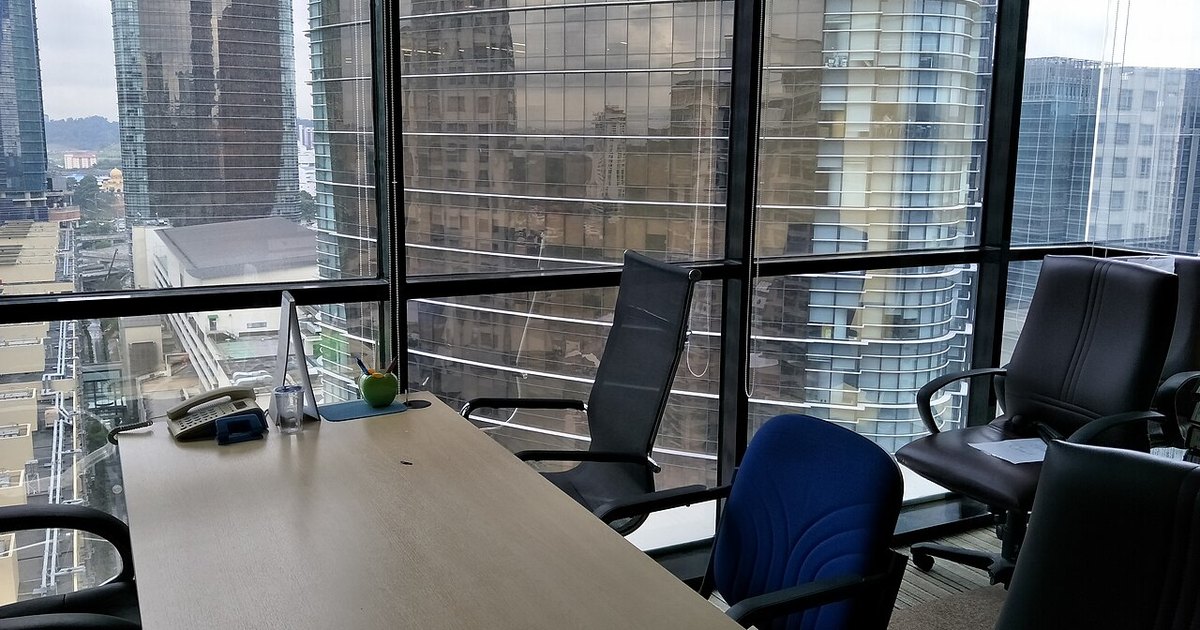
An empty meeting room in Kuala Lumpur. Whether today is a paid holiday is decided by the employee's work state and the employer's displayed holiday notice, not by the head office's habit. Photo: Krishnabala7388, Wikimedia Commons, CC BY-SA 4.0.
What today actually is, in law
Section 60D(1) of the Employment Act 1955 gives every covered employee a paid holiday on eleven gazetted public holidays a year. Its proviso deals with collisions: where a public holiday falls on a rest day, or on another public holiday, the working day immediately following becomes a paid holiday in substitution.
That is the whole of the mechanism behind today. Sunday 8 November was the rest day for most employees in most states, so Monday 9 November is substituted. The list of states observing the substitute is not identical to the list that observes Deepavali itself, which is why the gazette for the state where your staff work is the document that matters.
The state-by-state position
| Where the employee works | 8 Nov | 9 Nov | What to check |
|---|---|---|---|
| Johor, Melaka, Negeri Sembilan, Pahang, Perak, Perlis, Penang, Sabah, Selangor, Kuala Lumpur, Putrajaya, Labuan | Paid holiday | Paid holiday in substitution | Your section 60D(1A) notice, and whether Deepavali is one of your six chosen days |
| Kedah, Kelantan, Terengganu | Paid holiday (a working day there) | Ordinary working day | Rest days are Friday and Saturday, so no substitution arises; confirm against the state gazette |
| Sarawak | Not gazetted | Ordinary working day | Sarawak Labour Ordinance, not the Employment Act; Deepavali is not a gazetted Sarawak holiday |
Note the second row carefully. In Kedah, Kelantan and Terengganu, Sunday is an ordinary working day, so Deepavali was observed on the day itself and there is nothing to replace. Employers there who close today are making a commercial decision, not complying with a statutory one.
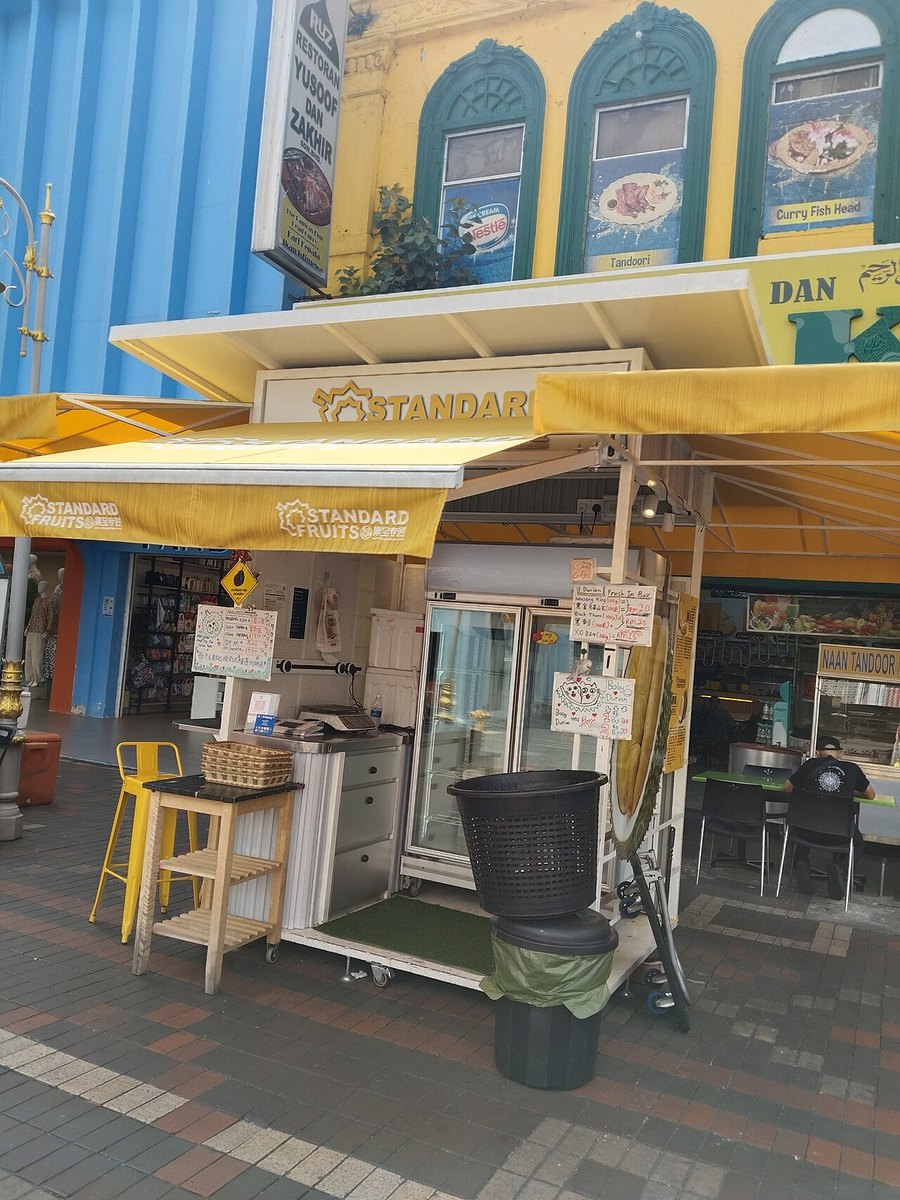
A kiosk at Central Market in Kuala Lumpur, unattended. Small outlets set their own trading days around a festival; the statutory question is only about pay. Photo: Meqqal, Wikimedia Commons, CC0.
Who is off, and who is paid
The eleven-holiday entitlement is not a list of every gazetted day. Five are compulsory and cannot be traded away: National Day, the Agong's birthday, the birthday of the Ruler or Yang di-Pertua Negeri of the state where the employee mainly works (or Federal Territory Day), Workers' Day and Malaysia Day. The employer selects the other six from the gazetted list and must display a notice specifying them before the calendar year begins, under section 60D(1A).
That notice decides a lot of today's arguments. If Deepavali is one of your six, today follows automatically as the substituted day. If it is not, the day is still a gazetted public holiday in the state, but your obligation to give a paid holiday on it depends on how the eleven were composed and on the contract.
The payment rules in section 60D(3) apply to employees earning up to RM4,000 a month, and to manual labour, vehicle operators, domestic employees and certain seagoing positions at any wage. Above that, the contract governs — and if the contract is silent, so is the statute.
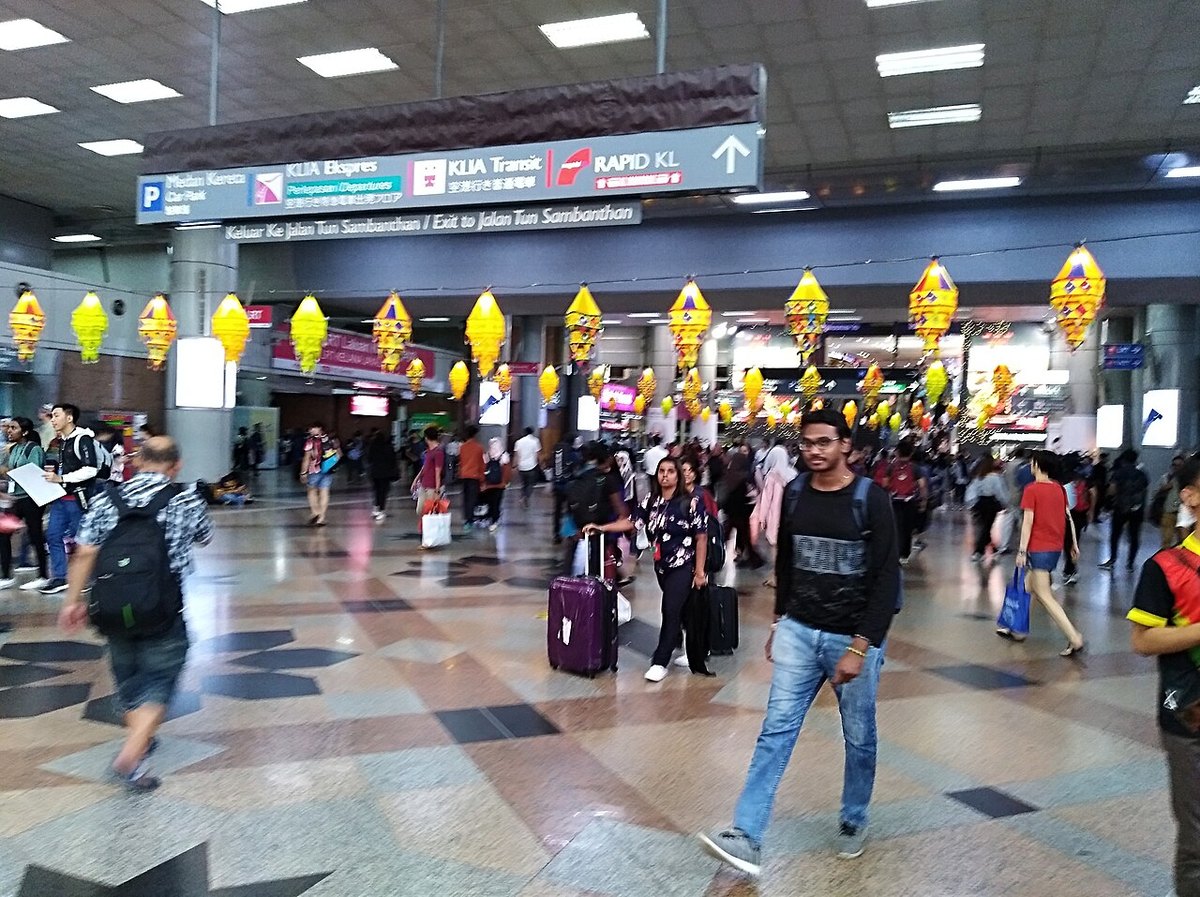
KL Sentral decorated ahead of Deepavali. Transport, retail and security staff work the holiday that the decorations mark, which is why the pay question matters. Photo: PulauKakatua19, Wikimedia Commons, CC BY-SA 4.0.
Can you require attendance today?
Yes. Section 60D(3)(a) allows an employer to require an employee to work on a paid holiday, with payment in addition to holiday pay of two days' wages at the ordinary rate — three days' pay for one day's work for a monthly-rated employee — and not less than three times the hourly rate for hours beyond normal working hours.
Two related points are worth knowing before you roster. First, section 60D(2A) treats a monthly-rated employee as having received holiday pay if the month's wages are paid without abatement, so the "holiday pay" component is already inside the salary and only the two additional days are a new cost. Second, section 60D(2) removes holiday pay from an employee who absents himself without consent on the working day immediately before or after the holiday — relevant tomorrow, when some staff will be tempted to stretch the break.
Substituting the day: what you can and cannot do
Employers sometimes want to move the holiday to a quieter day and trade today. The Act permits this in narrower terms than most people assume. For the six employer-chosen holidays, another day may be substituted only by agreement between employer and employee. For a day gazetted under section 60D(1)(b) — which is where a state's replacement day sits — the employer may grant another day as a paid holiday in substitution. The five compulsory holidays cannot be moved at all.
If you intend to substitute, do it in writing, dated before the day, and keep it with the payroll file. A verbal arrangement made on Friday and applied on Monday is the kind of thing that surfaces as a complaint in January.
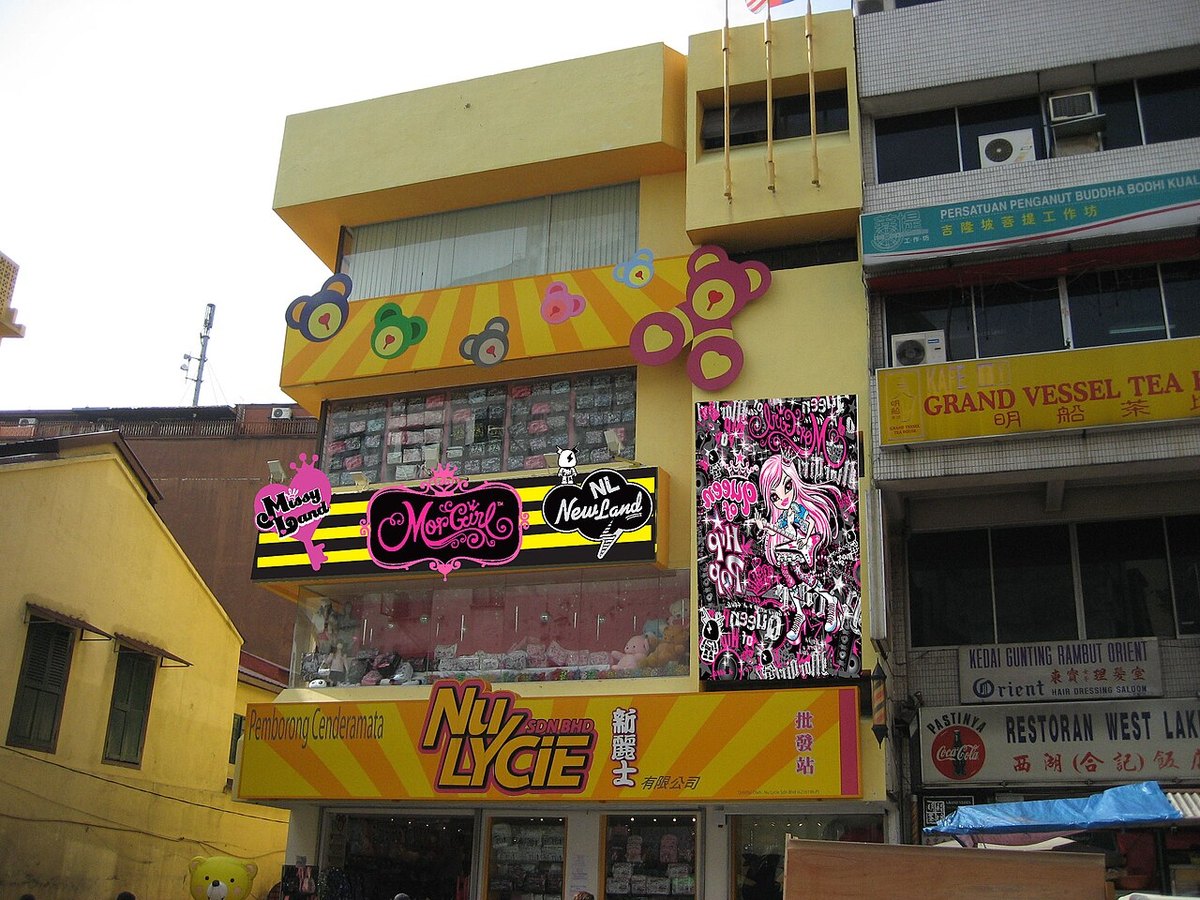
Shops shuttered for the holiday in Kuala Lumpur. Closing is a commercial choice; paying correctly if you open is the legal one. Photo: MORGIRL119, Wikimedia Commons, CC BY 3.0.
When the rest day itself moves
Retail, F&B and security employers rarely run a Monday-to-Friday week, and that changes the answer. The substitution rule operates on the individual employee's rest day, not on the company's assumption. An employee whose weekly rest day is Monday has the holiday falling on a rest day, so the next working day — Tuesday 10 November — becomes the substituted paid holiday for that employee.
Section 59(1) lets the employer determine the rest day, and where more than one rest day is given in a week, the last of them is the rest day for these purposes. Write the rest day down per employee, not per outlet, before you process payroll.
Recording it, and the multi-state workforce
Three documents carry the day: the displayed holiday notice for 2026, the roster showing who was scheduled, and the payroll computation showing the ordinary rate and the multiple applied. Keep wage records in a form the Labour Department can inspect; reconstructing them later is where employers lose otherwise winnable arguments.
For a workforce spread across states, the test is where the employee wholly or mainly works, not where the company is registered. A Selangor head office with a branch in Alor Setar has two different answers for today, and the branch answer follows the branch. Copying another employer's practice — or your own practice from last year — is how the error spreads.
Confirm before you process payroll: your state's gazette for 8 and 9 November; your displayed section 60D(1A) notice for 2026; each employee's contractual rest day; and, for Sabah and Sarawak, the relevant labour ordinance rather than the Employment Act. The Labour Department and your state government are the authorities. This article explains the statutory framework; it is not advice on a specific dispute.
Conclusion
For most Malaysian employers, today is a paid holiday and the practical questions are who works, at what rate, and whether the roster was written down before the weekend. Two days' wages on top of holiday pay for covered employees, three times the hourly rate beyond normal hours, and a record that shows you applied both.
For employers in Kedah, Kelantan, Terengganu and Sarawak, today is an ordinary working day. Closing is fine; paying holiday rates is generosity rather than obligation; and the only thing to avoid is telling staff it is a public holiday when the gazette says otherwise.
The single most useful action is dull: check that your displayed 2026 holiday notice names Deepavali, and that your rest-day records match the rosters you actually run. Most of the disputes that follow a long weekend are decided by those two pieces of paper, not by the merits.
Frequently Asked Questions
1. Is 9 November 2026 a public holiday in every state?
No. It is the substituted holiday in Johor, Melaka, Negeri Sembilan, Pahang, Perak, Perlis, Penang, Sabah, Selangor and the federal territories. Kedah, Kelantan and Terengganu rest on Friday and Saturday, so no substitution arises, and Sarawak does not gazette Deepavali.
2. My staff are in Sarawak. Do I have to close?
No. Deepavali is not a gazetted Sarawak public holiday, and Sarawak employment is governed by the Sarawak Labour Ordinance rather than the Employment Act 1955. Any closure there is a business decision, and holiday pay would be a contractual matter.
3. Can I swap today for another day off later?
Only within limits. The five compulsory holidays cannot be moved. For the six employer-chosen holidays, substitution requires agreement with the employee. For a day gazetted under section 60D(1)(b), which includes a state replacement day, the employer may grant another day in substitution — in writing.
4. What do I pay a monthly-rated employee who works today?
For covered employees, two days' wages at the ordinary rate in addition to the holiday pay already inside the monthly salary, plus three times the hourly rate for hours beyond normal working hours. A RM2,600 salary on a 26-day rate means about RM300 for the day.
5. Does the 10 November school holiday change anything for employers?
No. It is a school calendar day, not a day appointed under the Holidays Act 1951. Staff may request leave, and you may grant or refuse it — but there is no statutory holiday pay obligation attached to it.
Dennis Tan covers tax, accounting, payroll and compliance for Malaysian SMEs at SMEBuddies. He works from statutes, gazettes and payroll records rather than summaries, and writes about the compliance decisions small employers make quietly and repeat annually. His focus is where state rules diverge and where a document kept in the file settles an argument later.
Replacement Holiday Monday: Who Is Off, Who Is Paid, and Who Isn't