By Ryan Lim · November 2026
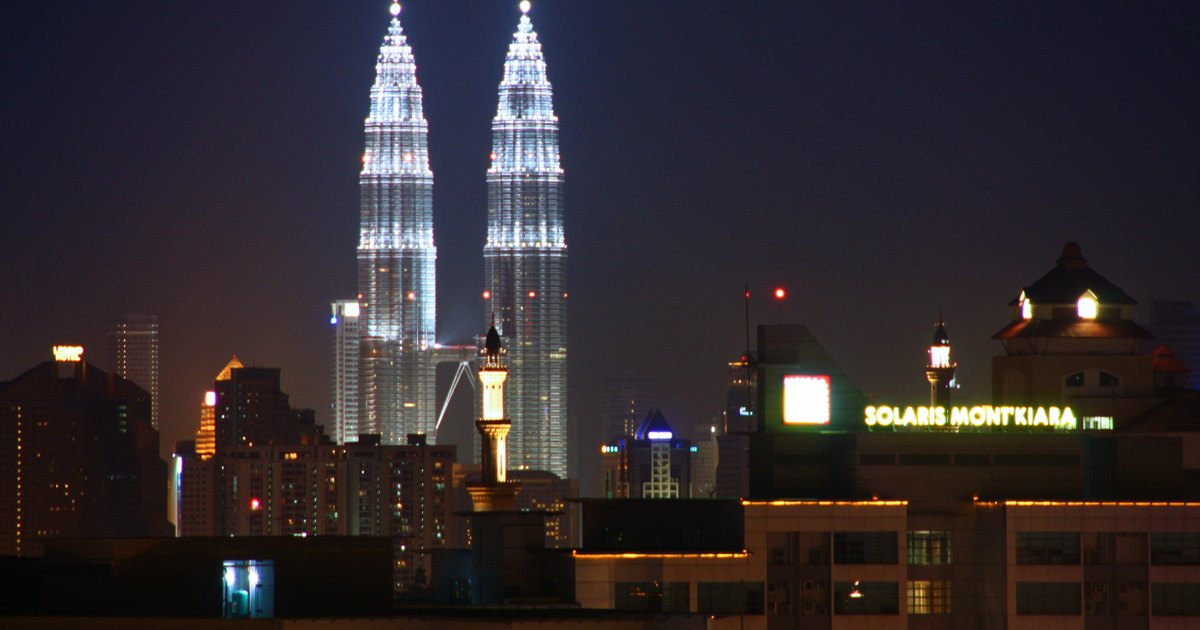
Kuala Lumpur at night from Mont Kiara. National growth is an average of very different businesses — the average is not your order book. Photo: Wikimedia Commons
What the advance estimate says
DOSM's advance estimate, released on 16 October 2026, put third quarter growth at 5.3 per cent against 6.0 per cent in the second quarter. On a quarter-on-quarter basis the economy expanded 4.6 per cent, up from 1.9 per cent. For the first nine months of 2026 growth was 5.5 per cent, against 4.8 per cent in the same period of 2025 (DOSM advance GDP estimates, third quarter 2026).
The Star reported on 16 October that the figure sat at the upper end of Bloomberg's 4.5 to 5.4 per cent forecast range and beat UOB Global Economics' 4.5 per cent projection. The Ministry of Finance had already raised its 2026 forecast to 4.8 to 5.3 per cent from 4.0 to 4.5 per cent in Budget 2027 on 9 October, and projected 4.2 to 5.2 per cent for 2027.
The sector split, and what each part pays for
| Sector | Q3 2026 (advance) | Q2 2026 | What it means for a small firm |
|---|---|---|---|
| Services | +5.4% | +5.9% | Wholesale and retail, ICT and finance carried it — consumer demand held, but slowed |
| Manufacturing | +7.5% | +7.3% | Export-oriented E&E and petrochemicals — supplier and subcontract orders |
| Construction | +6.0% | +6.5% | Non-residential buildings, notably data centre projects; specialised trades |
| Agriculture | +1.3% | −3.7% | Rebound on oil palm and livestock — a better quarter for input suppliers |
| Mining and quarrying | −4.9% | +9.2% | Lower crude oil and condensate output — weak for oil and gas services |
Read that table as a map of where the money moved, not a verdict on your business. A 7.5 per cent manufacturing number is an average of semiconductors and food processing; if your customers are in E&E you felt it; if they are in furniture you may not have.
What is not in the advance estimate
The advance estimate is built from partial data and published at sector level. The expenditure side — how much households consumed, how much firms invested, what exports did — arrives with the full report on 18 November. If you want to know whether private consumption is still carrying the economy, that is the document to read.
Written against the advance estimate. This article was prepared before DOSM's full third quarter release and uses the 16 October advance figures throughout. DOSM and Bank Negara Malaysia are the authorities; if the full report revises the headline or the sector split, the interpretation changes and the figures here should be replaced. Check DOSM's release page before quoting any number from this piece.
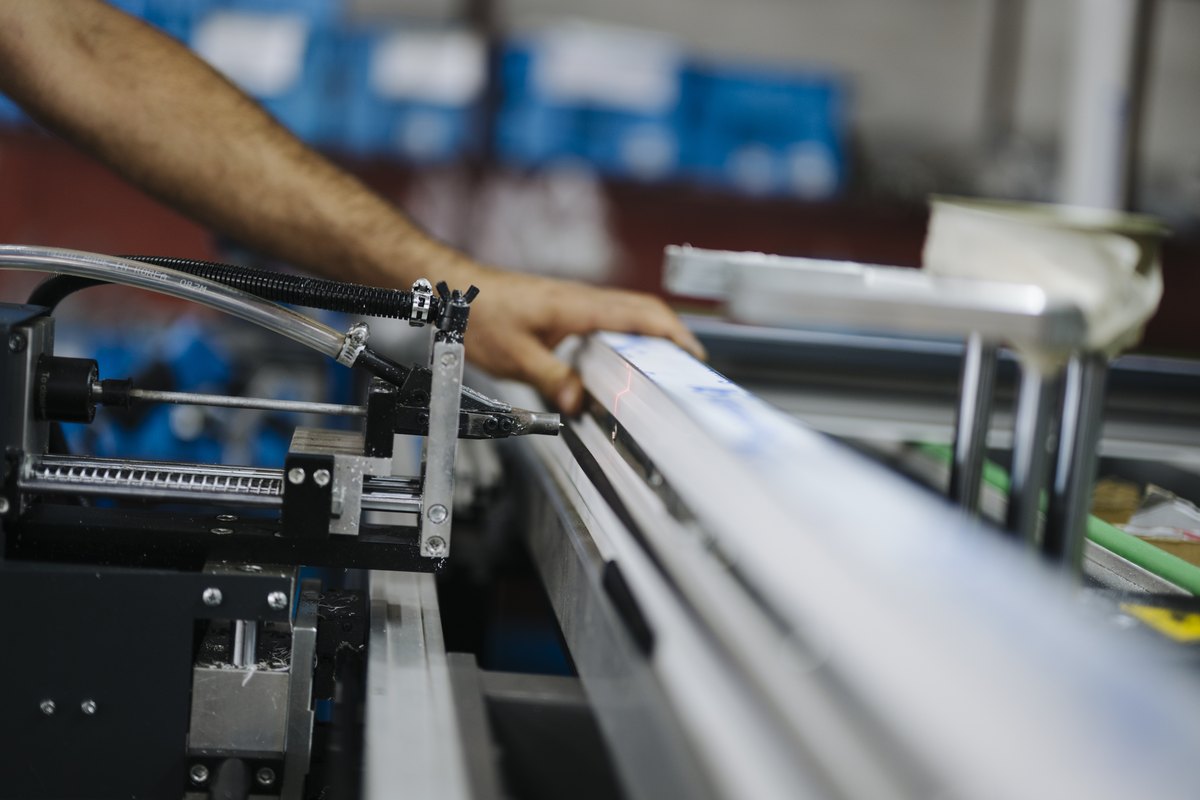
A production line in operation. Manufacturing grew 7.5 per cent in the quarter, but that average hides as much as it reveals. Photo: Wikimedia Commons
Decision one: hiring
Five point three per cent growth is not a signal to hire freely; it is a signal that the labour market will stay tight while your wage bill is about to rise. The RM2,000 minimum wage takes effect in June 2027 outside the MSME exemption, and the RM2,500 floor for semi-skilled workers and graduates has been announced without detail. Hiring in early 2027 means hiring into that.
On a growth number like this, the sequence that works is: confirm the order, then add hours, then add a contract role, then add a permanent head. A firm that hires on the headline and loses the order in February carries the cost into the wage increase.
Watch your own vacancy and turnover data rather than the national unemployment rate: if time-to-fill has stretched and leavers cite pay, that is your signal, and it beats a decimal point from Putrajaya.
Decision two: stock
Services at 5.4 per cent, decelerating from 5.9, is the number that matters for anyone selling to consumers. Growth is still positive but slower, which is the classic setup for a stock error: you order for the trend you remember, and sell into the trend you have. Add the freight and fuel picture — unsubsidised diesel was RM5.27 a litre in the last week of October, against RM2.10 under BUDI Diesel for eligible users (Finance Ministry pricing, 29 October to 4 November 2026) — and the cost of being overstocked is higher than it was a year ago.
The practical rule for the fourth quarter: hold core lines at normal levels, buy seasonal and promotional stock in two tranches rather than one, and set a hard date in January after which unsold seasonal stock is marked down rather than carried. Cash tied up in stock in December is cash you cannot spend on the wage increase in June.
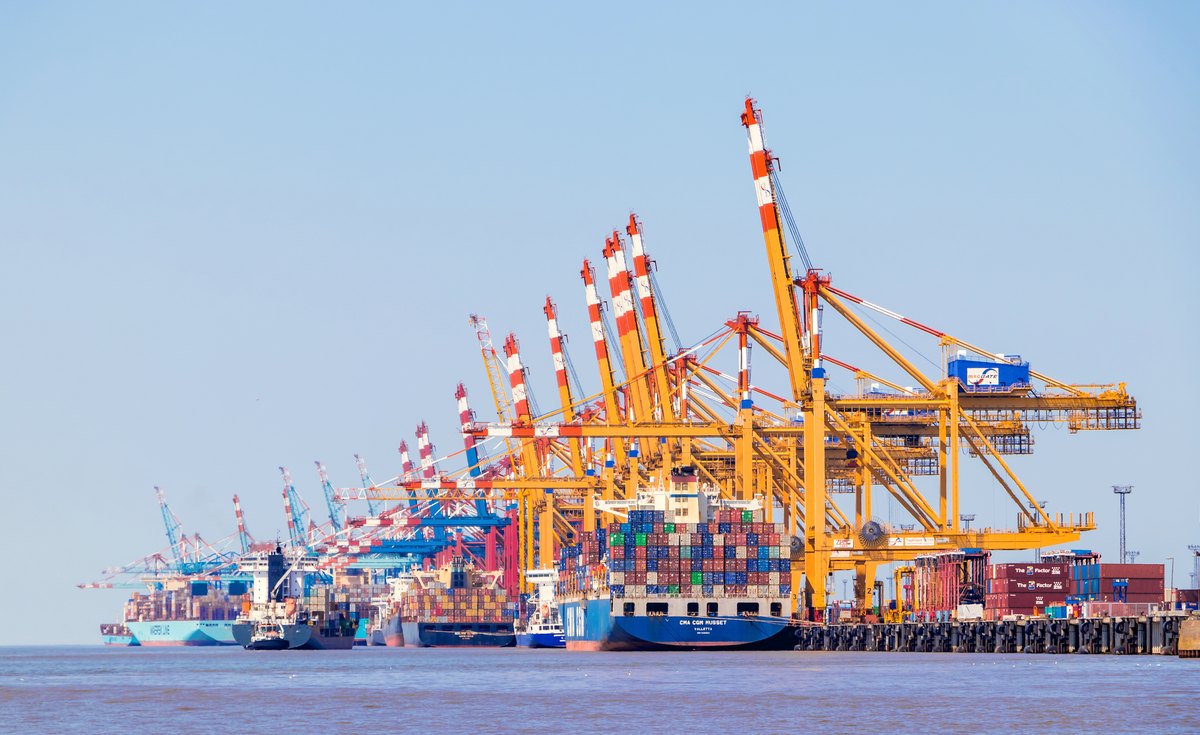
Container cranes at Bremerhaven in Germany. Strong manufacturing growth is a supplier-order story before it is a shipping story, and freight costs are still elevated. Photo: Wikimedia Commons
Decision three: borrowing
The rate question is live. The overnight policy rate has been 2.75 per cent since July 2025, and Bank Muamalat chief economist Dr Mohd Afzanizam Abdul Rashid told Bernama on 16 October that with nine-month growth at 5.5 per cent, "the anticipation for a normalisation in Overnight Policy Rate would gather pace". Several research houses expect 3.00 per cent during 2027.
If your facility is floating and you have expansion capital to raise, the arithmetic favours doing it before a hike rather than after. On a RM500,000 term loan over seven years priced at about 5 per cent, a 25 basis point rise adds about RM59 a month — roughly RM4,950 across the life of the loan. That is not a reason to borrow money you do not need. It is a reason not to delay borrowing you have already decided on.
The cheaper route for working capital is still the SME Stabilisation Relief Facility, which was doubled to RM10 billion in Budget 2027 and remains open to affected SMEs until 30 June 2027 or full utilisation. RM3.8 billion of the first RM5 billion tranche had been approved across more than 6,800 SME accounts as at 30 September 2026 (BNM, reported 9 October 2026).

Handing over a parcel. Consumption is the component that reaches a small business fastest, and it is the one the advance estimate does not break out. Photo: Wikimedia Commons
When the national number and your order book disagree
They often do. National GDP is weighted towards large firms, export manufacturing and construction projects that may have no local supplier. Data centre construction, which DOSM named as a driver of the construction sector, is a good example: it lifts the national number and may never touch a subcontractor in your state.
Use the national figure for what it is good for — the direction of interest rates, the labour market, and your customers' confidence — and use your own three numbers for everything else: order book, days sales outstanding, and gross margin. If your order book is falling while GDP rises, believe your order book.
Conclusion
Five point three per cent is a good number and a slowing one. Services decelerated, manufacturing accelerated, construction held up on data centre work, and mining contracted. None of that tells you whether to hire, and all of it tells you the labour market will stay tight into a June 2027 wage increase.
Make three decisions this month rather than in January: hire against confirmed orders and not against headlines; buy seasonal stock in two tranches with a hard January markdown date; and if you have already decided to borrow, do it while the facility is subsidised and the base rate has not moved.
Then read the full report when it lands, and check whether the expenditure side agrees with the sector story. That is where the next quarter's demand actually shows up.
Frequently Asked Questions
1. Is 5.3 per cent the final Q3 figure?
No. It is DOSM's advance estimate of 16 October 2026, compiled from partial data. The full third quarter report is released on 18 November 2026 and can revise the headline and the sector breakdown.
2. Why did growth slow from 6.0 per cent?
Services decelerated to 5.4 per cent from 5.9, construction eased to 6.0 from 6.5, and mining contracted 4.9 per cent on lower crude oil and condensate output. Manufacturing actually strengthened, to 7.5 from 7.3.
3. Does strong GDP mean my sales will rise?
Not necessarily. GDP is an average weighted towards large firms, export manufacturing and construction projects. A small firm's revenue follows its own customers, and can fall while the national number rises.
4. Will this change interest rates?
The OPR has been 2.75 per cent since July 2025. Stronger growth increases the chance of normalisation towards 3.00 per cent in 2027, which several research houses expect, but the decision rests with Bank Negara's Monetary Policy Committee.
5. Where can I read the full report?
The Department of Statistics Malaysia publishes the full third quarter 2026 GDP report on 18 November 2026 on dosm.gov.my, including the expenditure components and quarter-on-quarter detail that the advance estimate does not contain.
Ryan Lim covers business conditions, financing and markets for SMEBuddies. He translates national economic releases into the questions a small business owner actually has to answer — whether to hire, how much stock to carry, and when to fix a borrowing cost — and writes about the gap between headline statistics and a single firm's order book. He follows DOSM, Bank Negara Malaysia and the research houses that forecast them.
Q3 GDP Lands Today: What 5.3% Growth Does and Doesn't Mean for Small Firms