By Ashley Lu · October 2026

A boutique's racks and shelves are also, increasingly, a data problem: the details an agent compares are the ones written down, not the ones on the hanger.
In September 2026, every large AI platform shipped the same promise: an agent that does the task instead of answering a question about it. Meta's is called Muse, and its launch offer is unusually blunt — hand it the shopping list and it will go and buy.
For a Malaysian retailer, the honest position is this: the product is not here yet, the behaviour is already spreading, and the preparation window is the useful part.
What Meta Actually Launched
Muse went live on 8 September 2026 for users in the United States, connecting to email, calendar, payments, dining and shopping. Meta says the agent runs on a secure virtual machine with its own browser, that credentials go into secure storage rather than being visible to the model, and that a separate monitoring agent called Sentinel approves anything Muse sends to the internet. Sensitive actions such as sending an email or making a purchase require the user's approval.
At Meta Connect 2026 on 22–23 September, Meta showed hardware for it — the Muse Charm, a small round keychain device with a fingerprint sensor that Meta's own product pages describe as "the first device made for Muse". There was no price and no launch date, and Meta's regional pages currently say it is "not yet available in your region".
Adoption has been the loudest signal. Sensor Tower data cited by Forbes and Yahoo Finance put Muse past five million downloads in the US by the end of September, holding the top spot on both Apple's App Store and Google Play — faster to that milestone than ChatGPT (56 days), Grok (103) and Claude (492). Pricing is a free tier with a weekly usage cap, reported by Axios at two paid levels: Power at US$20 a month (about RM82) and Maximum at US$100 a month (about RM408), converted at the approximate rate of USD1 = RM4.08.
Then came the business push. On 29 September Meta announced Meta Enterprise Platform, led by former MongoDB chief executive CJ Desai, bundling the Muse agent, Meta Business Agent, Muse API and Muse Code. A day later it launched Muse for Small Business, connecting the same agent to Shopify, Intuit QuickBooks, Stripe, Slack, Notion, Canva and Zoom, plus Instagram professional analytics, Facebook Pages and Meta ad accounts. It is free with usage limits, with paid subscriptions for heavier use.

Market and shop operators already compete on freshness and price. Agents add a third axis: how completely the stock is described.
Why Amazon Blocked It, and Why That Fight Matters
On 20 September Amazon cut Muse off from Amazon.com. Shoppers using Muse there see a popup: "Continued access by an unauthorized AI agent violates Amazon's Conditions of Use." Amazon says it was never told Muse would access its store, that the agent does not identify itself while browsing, and that it appears to capture and store customer credentials and scrape account data — and it has asked Meta to remove Amazon from the experience. Meta's position is that it does not see users' passwords or payment methods, which sit in secure storage.
Analysts read the disagreement as economics rather than security. Andreessen Horowitz noted that Amazon earned roughly US$69 billion from advertising in 2025 against US$34 billion of operating income excluding AWS, while Shopify has no comparable ad business to defend and welcomed the integration. Forrester's Nikhil Lai has predicted agentic commerce could cut retail media ad sales by a fifth. What the agents attack is not delivery — it is the moment a shopper decides what to buy.
What Changes When Software Does the Comparing
A person forgives a vague listing. An agent weighing a dozen options in one second does not. Accenture's agentic-commerce research put up to 86% of agent-mediated transactions at risk of being abandoned or switched to a competitor when something goes wrong in the purchase process.
Practically, that moves seven things from "nice to have" to load-bearing: titles and attributes that name the product and its size, material and colour; stock that is true at the moment the agent commits; a delivery promise with cut-off times and clear Peninsular and East Malaysia coverage; a full price in ringgit including SST status; a returns window written in plain terms; reviews attached to the right product and variant with dates; and photos that a machine can attach to the correct item.
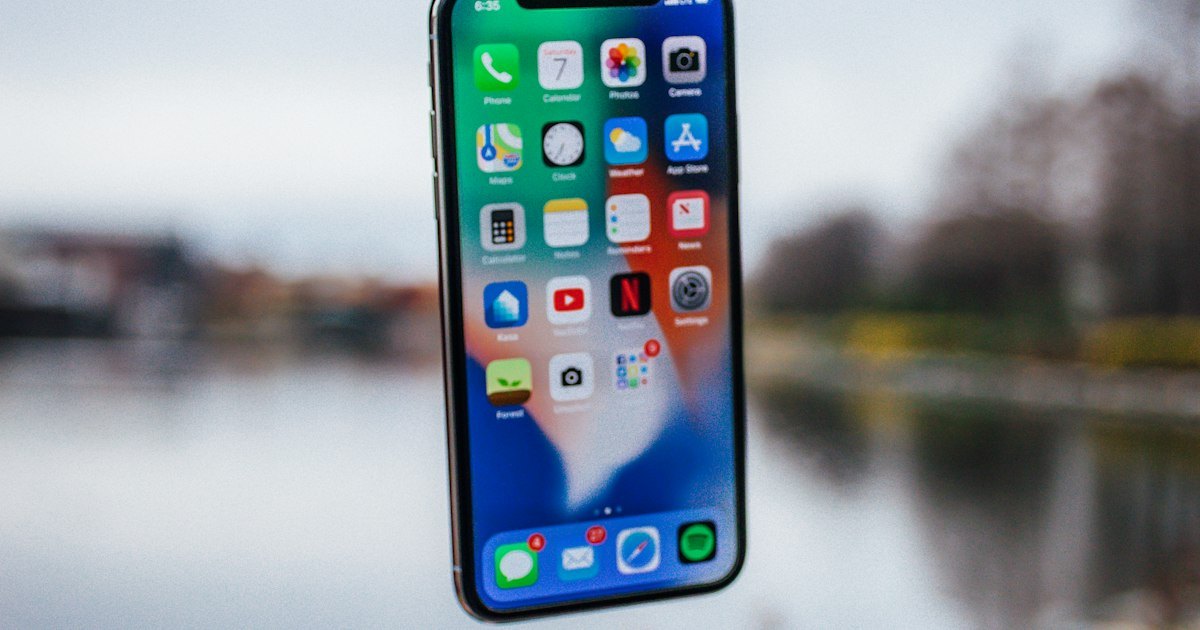
Muse's consumer app moved fast — over five million US downloads in its first three weeks, per Sensor Tower data cited by Forbes — but the regions it is switched on in remain limited.
Why Your Own Catalogue Matters Again
For a decade, Malaysian sellers could rent demand from a marketplace and let the platform own the comparison. When the comparison moves inside an agent, the seller whose data is complete and current on a page the agent can read gets named. That page is usually the shop's own catalogue, and a banner advert does not influence an agent that only reads fields.
A Short Checklist Before the Wave Reaches You
None of this needs a budget line. It needs an afternoon and a spreadsheet.
- Open ten of your best-selling listings and try to read them with JavaScript switched off.
- Fill every field the channel asks for, including barcode or GTIN where you have one, and never type "n/a" or "unknown".
- Move size, material, colour and dimensions out of sentences and photos, and into attributes.
- Sync stock and price at least daily — a stale "in stock" is worse than a sold-out item.
- Publish returns, warranty and delivery pages with plain, dated terms.
- Ask ChatGPT about your own products and check whether what it repeats is correct.

Checkout at the counter still runs on trust and a terminal. The agentic version runs on whoever's data the agent trusts first.
Conclusion
Muse is the clearest example yet of an agent that shops rather than suggests, and the fight it triggered with Amazon shows how much money sits in the decision of what to buy. That fight is happening in dollars and in American courtrooms, but the mechanic travels.
For a Malaysian retailer or F&B operator, the sensible response is unglamorous: treat your product data like a shelf you are restocking, not a form you filled once. Be explicit that this is early — Muse is region-limited, agentic checkout is unproven at Malaysian scale, and no analyst can yet promise what share of purchases agents will take.
Prepare the data, keep the promises you write down accurate, and you will be readable whenever the agent arrives. Ignore it, and the first sign of trouble will be a quiet drop in a channel you cannot see.
Frequently Asked Questions
Is Meta's Muse available in Malaysia?
No. Muse launched on 8 September 2026 in the United States, and Sensor Tower figures cited by Forbes describe US and Canada availability. Meta's own product pages for the Muse Charm say the device is "not yet available in your region" in several markets, and Meta has not published a Malaysian launch date.
How much does Muse cost?
It is free with a weekly usage cap. Axios has reported two paid tiers — Power at US$20 a month (about RM82) and Maximum at US$100 a month (about RM408) at an approximate rate of USD1 = RM4.08 used throughout this article. Meta frames the paid plans as extra usage rather than extra features.
What is the Muse Charm?
It is a small round keychain-style device with a fingerprint sensor, shown at Meta Connect 2026 on 22–23 September. Meta calls it the first device made for Muse and says it requires a Muse sign-up. No price or release date has been announced.
Should a small Malaysian shop change anything now?
Yes, but cheaply. Clean product titles and attributes, accurate stock, a written delivery promise, clear returns terms and correct ringgit pricing improve every existing channel today — and they are exactly the inputs an agent needs later. No new software is required to start.
Will agents replace marketplace advertising?
Not immediately, but the pressure is real. Forrester has predicted agentic commerce could reduce retail media ad sales by a fifth, and the Amazon–Muse standoff shows platforms will defend the moment of discovery. Treat paid placement as a channel to keep testing, not one to bet the year on.
Ashley Lu covers digital marketing, social commerce and retail for SMEBuddies, tracking how new platforms change the way Malaysian small businesses find and keep customers. She has worked with retail and F&B operators on content, campaigns and marketplace strategy, and writes about the practical trade-offs behind each new channel rather than the launch-day headlines. Her work focuses on what an owner with a small team can actually implement in a week.
Meta's Muse Wants to Shop for You: What Malaysian Retailers Must Know