By Dennis Tan · September 2026
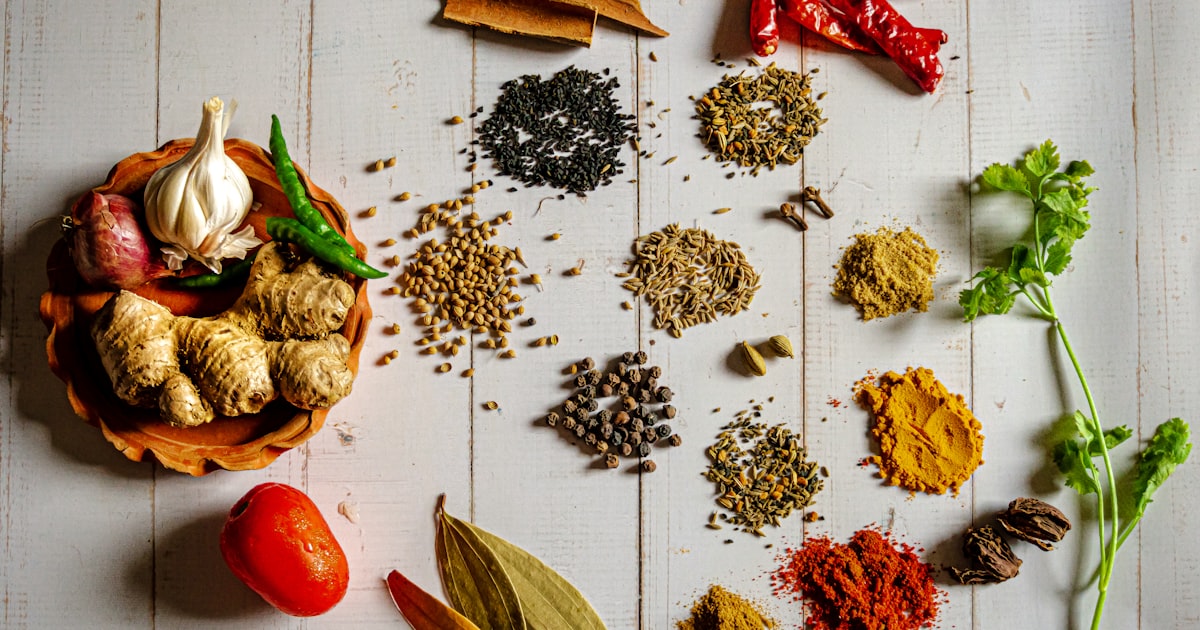
JAKIM-certified Malaysian products are well placed in regional halal supply chains.
What the Malaysia–Vietnam Cooperation Means
In August 2026, Vietnam's state broadcaster VOV reported that Malaysia and Vietnam are exploring cooperation on halal supply chains — covering logistics, certification recognition and investment links between the two countries' halal industries. For Vietnam, the motivation is clear: the country wants a slice of the global halal economy, and Malaysia is the natural partner to learn from.
Vietnam has a small Muslim population, but it sees halal as an export passport into the world's 1.9 billion-strong Muslim consumer market. For Malaysian SMEs, the cooperation matters because it positions Malaysia as the senior partner in the region's halal trade — and Malaysian-certified products are likely to be the ones Vietnamese distributors and regional buyers trust first.
Malaysia's Halal Hub Ambitions
Malaysia has long wanted to be the world's halal hub, and the ambition is backed by real infrastructure. JAKIM's halal certification is among the most recognised in the world, and the Halal Development Corporation (HDC) actively promotes Malaysian halal products abroad. Malaysian halal exports already exceed RM60 billion a year.
What is new is technology. The Malaysian Reserve reported in August 2026 that Malaysia is strengthening halal standards with new technologies — blockchain-based traceability, digital certification and faster audit processes that make it easier for legitimate producers to get certified and for buyers to verify authenticity. The global halal economy is projected to be worth around US$2.3 trillion by 2030; Malaysia is positioning itself as the quality benchmark at its centre.

Digital traceability and faster audits are strengthening Malaysia's halal standards.
Export Opportunities for Food SMEs
Which food SMEs should pay attention? Processed and packaged food with a decent shelf life — snacks, beverages, condiments, sauces, frozen food and food ingredients — are the most practical candidates, because they travel well and face fewer cold-chain headaches.
Vietnam itself is a modest market for halal food, but it is a gateway: Vietnamese distributors serve regional supply chains, and joint ventures in Vietnam can give Malaysian brands a manufacturing foothold in ASEAN while keeping the Malaysian halal brand. Beyond Vietnam, JAKIM certification is your ticket to Middle Eastern and other Muslim-majority markets where demand for premium processed food keeps growing.
How to Prepare: MyHALAL and Documentation
The first step is certification, and Malaysia has made it more accessible. The MyHALAL digital platform lets food businesses apply for JAKIM halal certification online, track their application and manage renewals without the paperwork pile of the past. Certification follows the MS1500:2019 standard, and for a small food business the fee is modest — typically a few hundred ringgit per product, plus audit costs.
Beyond the certificate, documentation is where exporters stumble. You need ingredient specifications and halal certificates from every raw material supplier, process flow documents, HACCP or other food-safety records, and clean labelling that meets both JAKIM and the destination country's rules. Get your documentation discipline in order before you apply, not after.
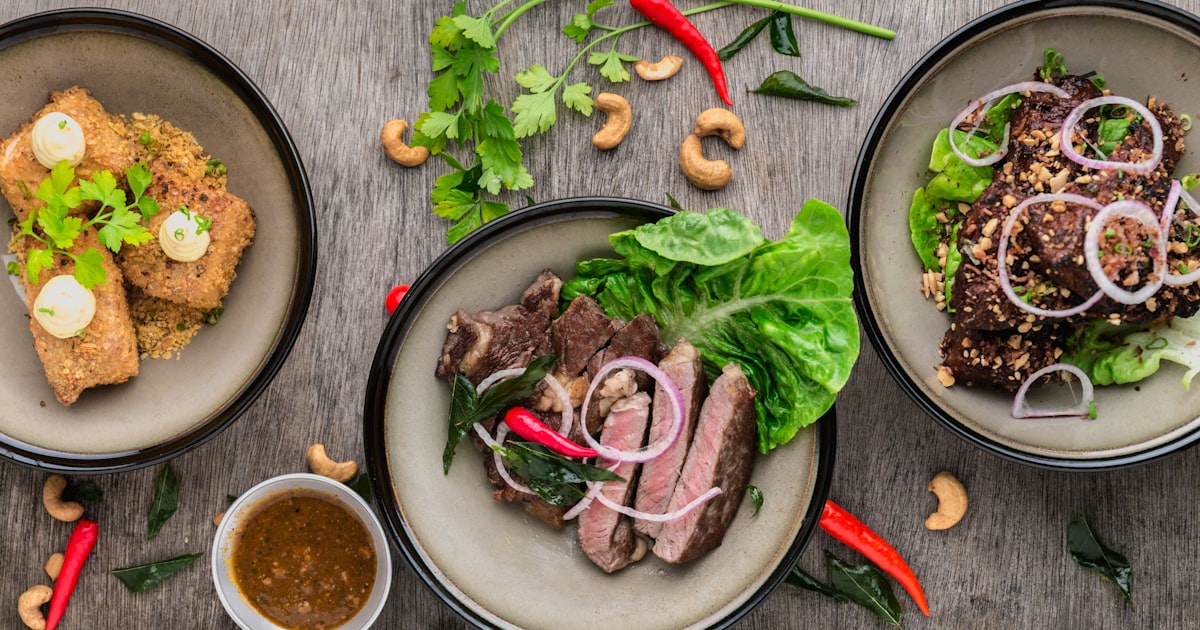
Vietnam is positioned as a gateway into wider ASEAN and Middle East halal markets.
Market Entry, Step by Step
Certification alone does not sell anything. The practical entry path for a Malaysian food SME looks like this:
- Get JAKIM-certified via MyHALAL first — nothing else moves without it.
- Join MATRADE trade missions and halal expos such as MIHAS, where buyers come looking for certified suppliers.
- Find a distributor or agent in Vietnam rather than trying to sell direct — local partners handle import, licensing and retail placement.
- Test with a small first shipment and use the feedback to adjust packaging, pricing and positioning.
- Consider a licensing or joint-venture arrangement if demand justifies local production later.
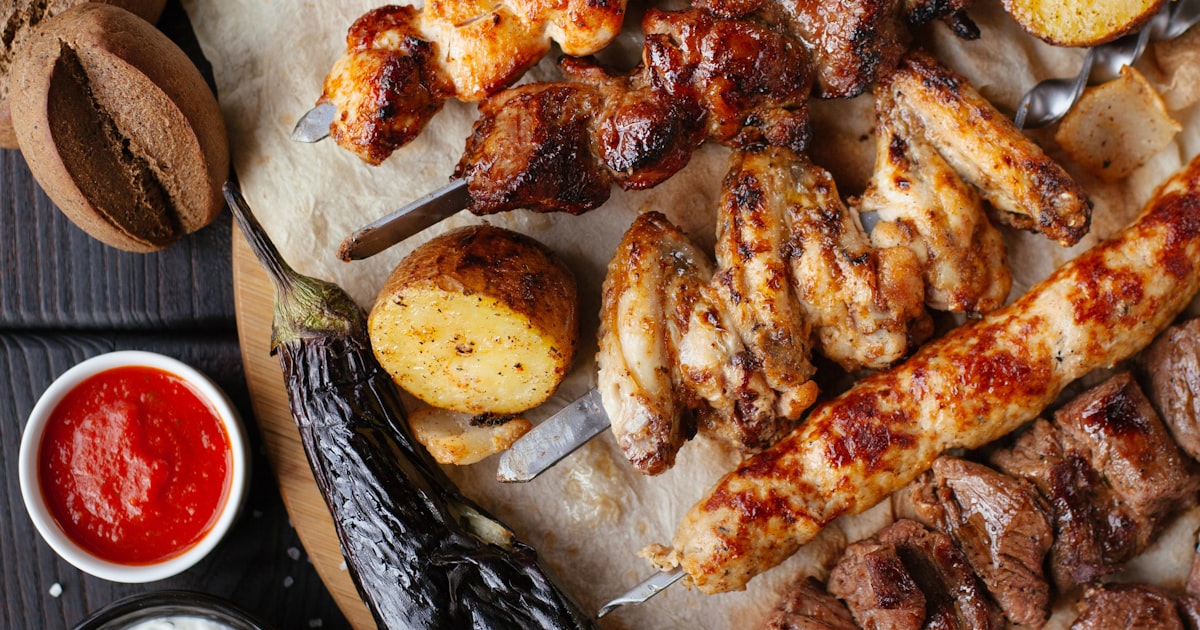
Clean documentation and a local distributor are the keys to a smooth market entry.
Conclusion
Malaysia–Vietnam halal cooperation is early-stage, but the direction is unmistakable: halal is becoming a serious cross-border trade lane, and Malaysia's certified SMEs are the natural suppliers in it. The window favours businesses that prepare early — certification via MyHALAL, clean documentation, and a realistic market-entry plan through trade missions and local partners. The global halal economy is worth trillions; the question is whether your SME is ready to claim its corner of it.
Frequently Asked Questions
1. What is MyHALAL and who needs it?
MyHALAL is JAKIM's digital platform for halal certification applications, renewals and management. Any Malaysian food manufacturer or processor that wants JAKIM halal certification — and the export doors it opens — should apply through it.
2. How long does JAKIM halal certification take?
Depending on the product and audit schedule, certification typically takes a few weeks to a few months for straightforward applications. Preparing complete documentation before applying is the fastest way to avoid delays.
3. Is Malaysian JAKIM certification recognised in Vietnam?
JAKIM certification is among the most widely recognised in the world, and Malaysia–Vietnam halal cooperation is precisely about deepening certification recognition and supply chain links. For the strongest position, confirm recognition with your importing partner and check the destination's own import rules before shipping.
4. What documents do I need to export halal food?
You need your JAKIM halal certificate, ingredient specifications and halal certificates from suppliers, food-safety records such as HACCP, product labels that comply with both Malaysian and destination-country rules, and export documentation arranged with your customs agent and MATRADE.
5. How much does halal certification cost for an SME?
JAKIM certification fees for small food businesses are modest — typically a few hundred ringgit per product — with audit and travel costs on top. It is one of the cheapest export credentials a food SME can hold, relative to the market access it provides.
Dennis Tan is an e-commerce and trade writer for SMEBuddies, where he covers marketplaces, digital marketing and cross-border business for Malaysian small enterprises. He has worked in digital marketing and online retail, managing seller accounts and campaign budgets across Shopee, TikTok Shop and Lazada. His writing focuses on turning platform data and regional market trends into practical selling strategies. He is particularly interested in helping small brands grow beyond Malaysia's borders.
Malaysia–Vietnam Halal Supply Chain Cooperation: New Export Doors for Food SMEs