Malaysia's Semiconductor Boom: Riding the 26% Global AI Chip Growth Wave
Global semiconductor sales are forecast to surge 26% in 2026, and Malaysia — holding one-eighth of the global supply chain — is perfectly positioned to capitalise.
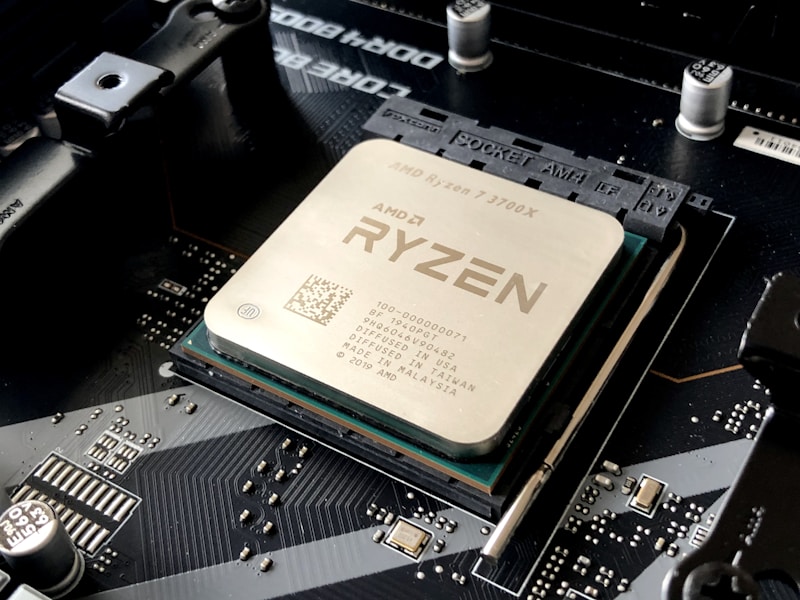


Malaysia's technology sector is entering 2026 with powerful momentum, driven by a global semiconductor upcycle fuelled by artificial intelligence (AI), surging memory demand, and soaring capital expenditure across the industry.
According to the Semiconductor Industry Association (SIA), global semiconductor sales are forecast to grow 26% year-on-year in 2026 — a shift from a narrow AI-driven recovery to broad-based expansion across automotive, industrial, and consumer electronics segments. SEMI projects global semiconductor equipment sales will reach US$145 billion in 2026, signalling record investment in AI-related and advanced chip manufacturing capacity.
Penang: The Silicon Valley of the East
Penang remains the crown jewel of Malaysia's semiconductor ecosystem. The island state accounts for over 60% of Malaysia's electrical and electronics (E&E) exports, and its semiconductor ecosystem has been supercharged by AI-driven demand for high-bandwidth memory (HBM) chips.
According to the Malaysia Semiconductor Industry Association (MSIA), AI HBM demand is so intense that new orders may not be fulfilled until 2028. E&E exports rose 18% in 2025, and the momentum accelerated in Q1 2026 with 26.7% year-on-year growth — more than double the 12.7% growth rate of Malaysia's overall exports.
Major global players are expanding aggressively in Penang. Micron has established a 145,000 sq m footprint in the state, spending RM2 billion over five years and engaging over 700 local vendors. Unisem, a leading OSAT provider, saw its AI and data centre business grow from a single-digit percentage share before 2024 to nearly one-fifth of its revenue today.
Beyond Penang: The Broader Ecosystem
RHB Investment Bank rates Malaysia's tech sector as "overweight", forecasting more than 50% earnings growth in FY2026. The recovery is spreading well beyond high-end AI chips. Outsourced Semiconductor Assembly and Test (OSAT) firms are experiencing rising utilisation rates, while Electronics Manufacturing Services (EMS) providers see robust order improvements driven by data centre and industrial demand.
Software and digital services firms are also well-positioned for structural growth as digitalisation, cloud adoption, and cybersecurity spending accelerate across the Malaysian economy.
RHB's top picks include MPI (Malaysian Pacific Industries) and CTOS Digital, while high-conviction small-cap recommendations include Coraza Integrated Technology and JHM Consolidation. The research house notes that smaller and mid-cap tech stocks offer greater upside as improving earnings have not yet been fully priced in.
The "RAMpocalypse": A Tale of Two Markets
The AI-driven memory boom has a consumer downside — sharply higher prices for computers and smartphones. Global memory chip shortages — dubbed the "RAMpocalypse" — have pushed consumer RAM costs to double pre-shortage levels, with computer and smartphone prices rising up to 50% in Malaysia.
But for Malaysia's semiconductor ecosystem, this has been a windfall. UWC, a Penang-based automated equipment manufacturer, saw its order books grow from below RM150 million in 2024 to approximately RM250 million by mid-2026, with smaller local suppliers benefiting from overflow orders.
What This Means for Malaysian SMEs
Supply chain opportunities: Micron's RM2 billion investment supported over 700 local vendors. As global chipmakers expand in Penang, the spillover effect creates opportunities for local SMEs in precision engineering, facility management, logistics, and component manufacturing.
Investment opportunities: The tech sector trades at approximately 22x forward earnings — below historical averages — with consensus forecasting over 50% earnings growth. Small-cap tech stocks like Coraza and JHM offer greater upside potential for SME investors with higher risk tolerance.
Expansion beyond Penang: With Penang facing land and labour constraints, authorities are becoming selective about new investments, prioritising automation. This may push manufacturing activities to Perak, Kedah, and even northern Thailand — creating new opportunity corridors for SMEs in those regions.
Frequently Asked Questions
A: Malaysia holds an estimated one-eighth share of the global semiconductor supply chain. Penang alone accounts for over 60% of Malaysia's E&E exports, with IC exports reaching RM389 billion in 2025.
A: The growth is driven by AI chip demand (especially high-bandwidth memory for AI training), data centre expansion, and a recovery in automotive, industrial, and consumer electronics segments that were previously sluggish.
A: Major firms like Micron have spent billions engaging local vendors. SMEs can start by registering with industry bodies like MSIA, attending Penang's annual semiconductor networking events, and pursuing ISO certifications that large buyers require from suppliers.
A: Memory prices have doubled, pushing up computer and smartphone costs up to 50% in Malaysia. Analysts expect supply to catch up with demand by late 2027 as new fabrication capacity comes online, gradually stabilising prices.
A: RHB rates the sector "overweight" with top picks MPI and CTOS Digital, and high-conviction small-caps Coraza Integrated Technology and JHM Consolidation. Consensus forecasts over 50% earnings growth for the sector in FY2026.
Conclusion
As a Malaysian SME, staying informed and taking action on what you learn is what sets your business apart. The strategies and tools discussed in this article are designed to be practical and achievable. Start with one area, master it, then expand. Remember, the goal is progress, not perfection.
This article was written by Ryan Lim, a contributor to SMEBuddies. Ryan covers business operations and technology topics to help Malaysian SMEs grow smarter.
Malaysia's Semiconductor Boom: Riding the 26% Global AI Chip Growth Wave