By Yoges Raja · September 2026
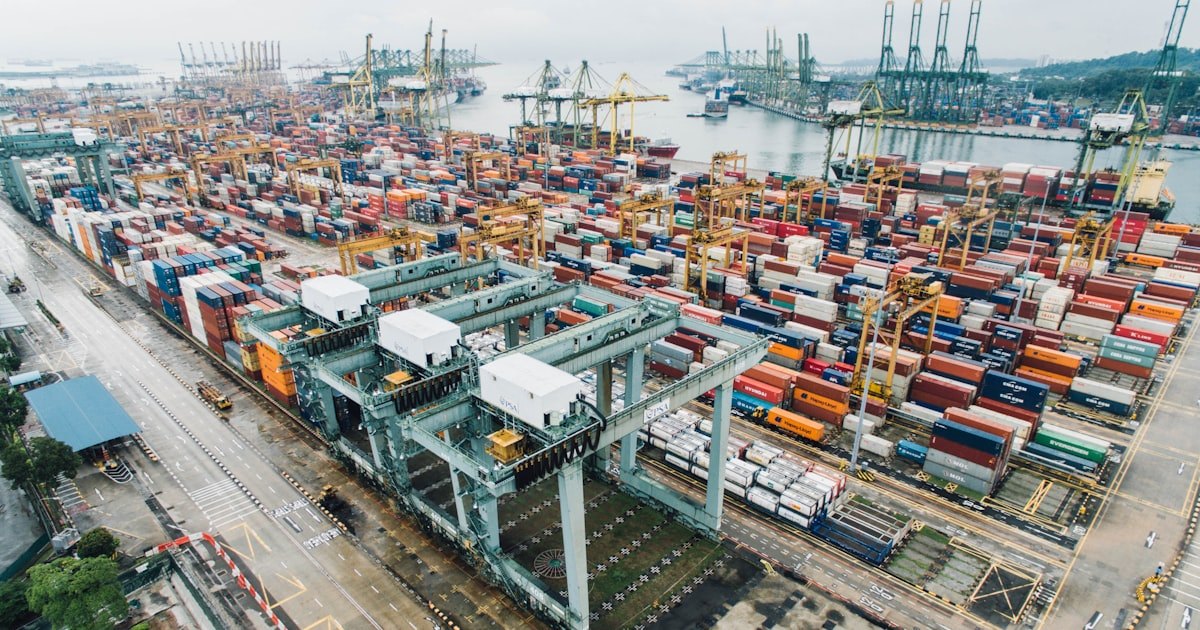
Containers stacked at a port terminal. Corridor talks set the direction; documents set whether your shipment clears.
What the September Talks Changed
In New Delhi on 17 September 2026, Investment, Trade and Industry Minister Datuk Seri Johari Abdul Ghani said Malaysia and India will review their trade framework over the next three to six months, with both sides seeking a more balanced flow of goods. India's trade minister, he told the New Straits Times, was "very keen" to explore a review of the free trade agreement. The reported context: Malaysia's trade surplus with India was RM25.37 billion in 2025, on total bilateral trade of RM79.33 billion — itself down 5.0 per cent from RM83.5 billion (US$18.25 billion) in 2024.
The review targets the Malaysia-India Comprehensive Economic Cooperation Agreement (MICECA), in force since 1 July 2011. Economists quoted by Business Times called it apt because the deal needs to move beyond goods: UniKL Business School's Associate Professor Dr Aimi Zulhazmi Abdul Rashid flagged non-tariff barriers, rules of origin, digital trade, semiconductors, fintech and renewable energy, while UiTM's Dr Mohamad Idham Md Razak pointed to tariff lines where Malaysian products still face relatively high duties, plus customs procedures, product standards, certification and licensing. Read plainly, the friction is administrative — and most of it sits on your side of the border.
Investment is the other leg. Malaysia's Chargé d'Affaires in India, Sharifah Ezneeda Wafa, said 293 manufacturing projects with Indian participation worth US$2.95 billion (RM10.16 billion) had been approved as of June 2026. During Prime Minister Datuk Seri Anwar Ibrahim's September visit, the UAE-India Business Council also flagged interest in using Malaysia as a regional distribution hub for halal meat. The corridor runs both ways.
The Paperwork That Decides Whether the FTA Helps You
Under MICECA, goods qualify for preferential duty only if they are wholly obtained in Malaysia, or undergo a change of tariff classification at the six-digit HS level with a qualifying value content of at least 35 per cent of FOB value. The proof of origin is Form MICECA, endorsed through MITI. Two traps catch first-timers: products on India's exclusion list — 1,225 items under MICECA — get no preference at all and pay the prevailing MFN duty; and the 35 per cent calculation is only as good as your bill of materials, which makes factory cost records part of export pricing.
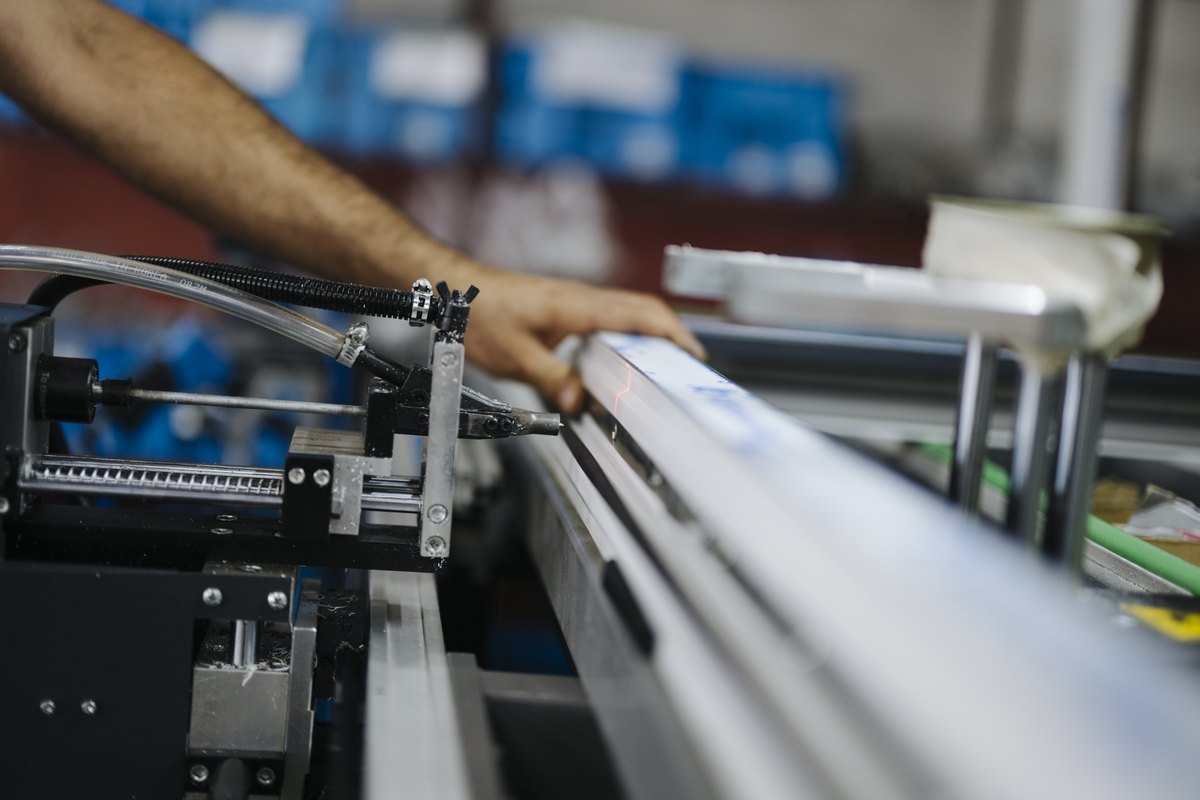
A worker assembling parts on a production line — manufacturing sits at the centre of Malaysia–India trade. Photo: Shixart1985 / Wikimedia Commons (CC BY 2.0).
A newer hurdle sits on top of tariffs. Compliance advisories tracking India's Quality Control Orders report that more than 650 product categories now need Bureau of Indian Standards certification before import or sale, and that an order covering roughly 90 categories of household and commercial electrical appliances takes effect on 1 October 2026, with small enterprises given until 1 January 2027. Foreign manufacturers typically certify under the Foreign Manufacturers Certification Scheme and appoint an Authorised Indian Representative. Verify your HS code before quoting.
Where a Small Malaysian Business Has a Real Opening
Food and ingredients
Malaysia's established flows into India are palm oil and palm-based agricultural products. The SME space is further down the chain: specialty fats, oleochemicals, cocoa and confectionery inputs, sauces and ready-to-eat lines for urban retail and food service, where a small producer competes on consistency rather than price.
Halal products
India's halal trade is real, but the compliance map matters more than the market size. JAKIM's recognised foreign halal certification list, effective 30 January 2026, covers 94 bodies across roughly 48 countries — three of them in India. India has also brought religious dietary certification under its food safety framework through the Food Safety and Standards (Amendment) Act 2025. Get the buyer's requirement in writing and confirm the current rule with a compliance adviser before printing labels.
Electrical and electronics components
Malaysia's electronics exports reached RM711 billion in 2025, and MSME manufacturing exports were RM132.7 billion, up 8.8 per cent. Prime Minister Anwar called in September for Malaysia-India synergy in E&E and semiconductors. The realistic entry for an SME is second-tier supply: precision parts, tooling, cable assemblies, test fixtures and packaging for component makers.
Services, education and training
Around 30 companies from India, Malaysia and the Gulf joined the business engagement in Kerala in mid-September, spanning healthcare, semiconductors, construction, IT, engineering, retail and renewable energy. Services cross borders with far fewer customs headaches: technical training, automation support, certification advisory and professional training partnerships are sellable without a container.
Finding Buyers Safely and Getting Paid
MATRADE remains the cheapest starting point: market intelligence, trade leads, the Market Development Grant, and a 2026 programme it says is designed to support 13,400 companies, many of them MSMEs. Trade commissioner offices and sector exhibitions put you in front of real purchase orders. Either way, verify corporate and tax registration, take two trade references you can actually call, and size the first order so a worst-case outcome is survivable.
An open notebook on a meeting table. The first export conversation is usually a checklist of documents and terms.
Match the payment instrument to the risk you can carry. A letter of credit is safest and the most fee-heavy; documents against payment suit repeat relationships; open account only after a payment history. Export credit cover is available locally — EXIM Bank Malaysia's trade credit takaful and insurance covers up to 90 per cent of commercial risk and 95 per cent of political and country risk, with short-term cover for credit terms of up to 180 days. The bank was merged into BPMB Group in May 2025.
Currency is the quiet margin killer. Quote in US dollars where the market allows, or build a buffer into ringgit pricing: published end-2026 forecasts for USD/MYR sit near RM4.02 (IPPFA) and RM4.00–RM4.15 (MARC Ratings). On collection, Coface's Asia-Pacific payment survey has found India among the markets with the shortest payment terms, at roughly 54 days — still terms, not cash on delivery.
What to Prepare Before You Quote
- Your HS code at six digits, and whether the line is on India's MICECA exclusion list.
- A cost analysis proving qualifying value content of at least 35 per cent of FOB, with the bill of materials behind it.
- BIS certification status if your category falls under a quality control order, plus any licensing or labelling rule.
- A landed-cost model covering MFN duty, clearing fees, freight, insurance and your ringgit conversion.
- Working capital for 90 to 120 days, with a letter of credit or credit cover on the first order.
- The ability to produce invoice, packing list, bill of lading and endorsed certificate of origin on time.

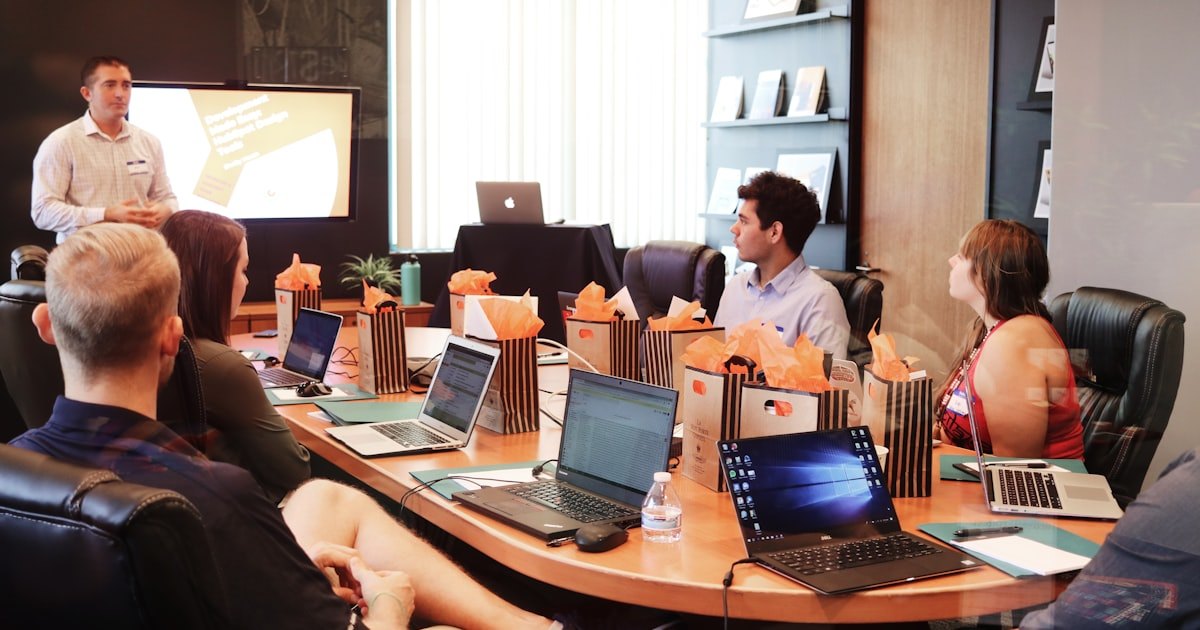
Hands at laptops around a shared table. Buyer research and document drafts happen before any quotation goes out.
Conclusion
A trade review between Malaysia and India changes the rules at the margin, but nothing about it removes the need for cost analysis, correct HS codes, verified buyers and funding for long payment terms. What the talks do is put the corridor in play for the next few years, at a time when India's domestic demand is one of the few large growth stories in the region.
Start small: one product line, one verified buyer, one shipment you can fund. Get the documents right on that first order and the second one is cheaper, faster and far more profitable.
The opportunity is real. The paperwork is what decides who gets it.
Frequently Asked Questions
Do I need a certificate of origin for every shipment to India?
No — only if you want your Indian buyer to claim preferential duty under MICECA. The proof of origin is Form MICECA, endorsed through MITI. If your product is on India's exclusion list or you cannot support the origin criteria, the shipment can still go, but duty is paid at the prevailing MFN rate.
What is the minimum I need to know about rules of origin?
Under MICECA, goods must be wholly obtained in Malaysia, or undergo a change in tariff classification at the six-digit HS level and meet a qualifying value content of not less than 35 per cent of FOB value. Your bill of materials and cost records are the evidence, so keep them audit-ready from the start.
Can a small producer export halal food to India?
Yes, but verify the certification route first. JAKIM recognises three halal certification bodies in India on its 30 January 2026 list, and India brought religious dietary certification under its food safety law through the Food Safety and Standards (Amendment) Act 2025. Confirm what your specific buyer and product category require before paying for certification.
How do I get paid safely on a first export order?
Use a letter of credit, or part-advance structured against shipment, until a payment history exists, and consider export credit cover — EXIM Bank Malaysia's short-term trade credit takaful and insurance covers up to 90 per cent of commercial risk and 95 per cent of political and country risk. Size the first order so a delayed payment does not break your cash flow.
Yoges Raja covers SME financing, trade and business operations for SMEBuddies. He has spent most of his working life alongside Malaysian small and mid-sized businesses, from working capital facilities to market-entry planning, and writes about the practical mechanics of trade, credit and cross-border payments. His articles focus on what a business owner can actually execute — documentation, pricing, risk cover and cash timing — rather than macro forecasts. He is based in the Klang Valley.
Malaysia and India Are Rebalancing Trade: Where SMEs Fit In