Introduction: The Hidden Cost of Waiting
You delivered the work. The client was happy. Then the invoice sat unpaid for 30, 60, even 90 days. If this sounds familiar, you're not alone. According to a 2025 SME survey by credit bureau Credit Bureau Malaysia, 62% of local SMEs reported experiencing late payments, and one in five said late payments had directly threatened their ability to pay staff or suppliers. The ripple effect is real: a delayed RM50,000 payment can trigger a domino of missed obligations across your entire supply chain. The good news? There are proven strategies to both prevent late payments and recover what you're owed.
1. Prevention Starts Before the Invoice
The best time to ensure payment is before the work begins. Clear terms eliminate ambiguity. Every project should start with a signed agreement or purchase order that spells out payment terms, late fees, and escalation procedures.

Key prevention measures include:
- Deposits upfront: Request 30% to 50% down payment for new clients or large projects. This covers your costs and signals commitment.
- Incentivise early payment: Offer a 2% discount for payment within 7 days — many clients will take it.
- Penalty for lateness: Charge 1% to 1.5% monthly interest on overdue amounts. This is standard practice and widely accepted in B2B relationships.
- Invoice promptly: Send invoices the same day work is completed. Each day of delay in invoicing is a day of delayed payment.
2. The Gentle Nudge: Week 1 to Week 4
Most late payments are not malicious — they're administrative lapses. A structured follow-up process recovers most debts without damaging relationships.

Try this escalation timeline:
- Day 1 (due date): Send a polite auto-reminder: "Just a gentle reminder that invoice #1234 is due today."
- Day 7: Follow up with a phone call. Ask if there's an issue with the invoice or if they need more time.
- Day 14: Send a firmer email referencing the overdue amount and previously agreed terms. Attach the original invoice again.
- Day 30: Send a registered letter or official reminder via email with a final payment deadline (usually 7 days).
3. When to Escalate: Formal Recovery Options
If gentle reminders fail after 60 days, it's time for formal measures. Malaysian SMEs have several avenues for debt recovery.
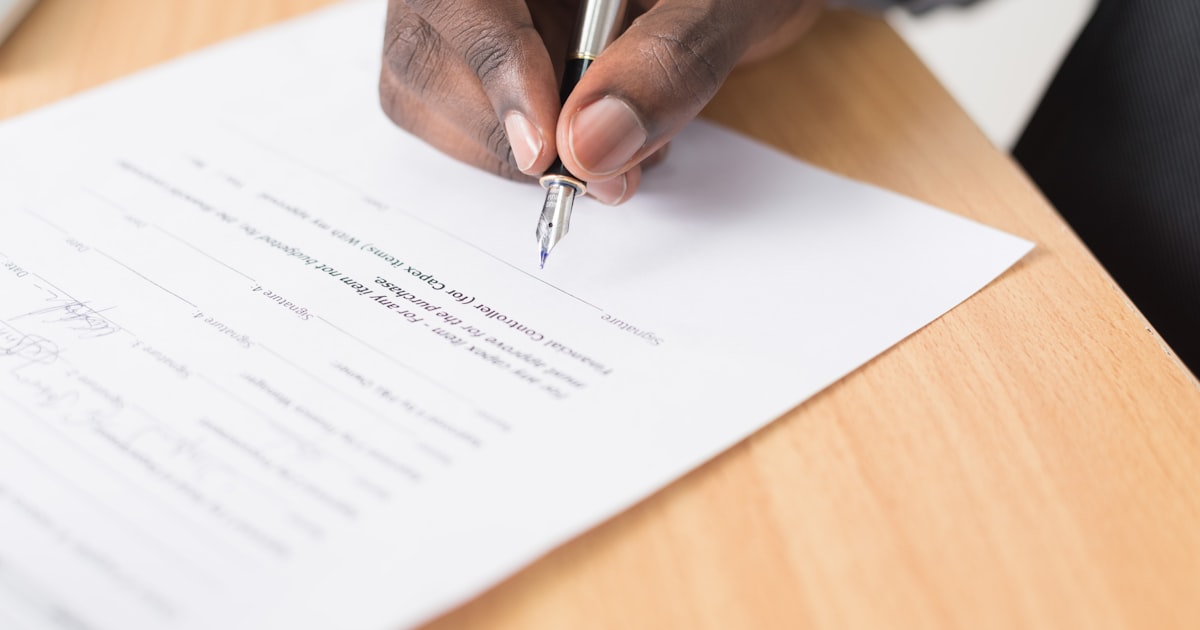
Letter of Demand (LOD): A formal LOD from your lawyer can work wonders. It signals that you're serious about enforcement. Most recipients pay within 14 days of receiving one. The cost ranges from RM200 to RM800 depending on complexity.
Small Claims Court (Sessions Court / Magistrate): For claims up to RM25,000 in the Small Claims Court — formerly known as the Small Claims Tribunal — you can represent yourself without a lawyer, keeping costs low. The process typically takes 2 to 4 months from filing to judgment.
Debt collection agencies: Licensed agencies in Malaysia charge 10% to 30% of the recovered amount. Use this only as a last resort, as aggressive tactics can damage your reputation. Always verify the agency is registered with the Ministry of Domestic Trade and Consumer Affairs.
4. Protecting Your Business from Future Late Payments
Beyond chasing individual debts, build systems that reduce your exposure. Credit checks on new clients — available through CTOS or Credit Bureau Malaysia — cost as little as RM30 per report and can reveal past defaults. Set internal credit limits for each customer based on their payment history and financial standing. For high-risk clients, consider requiring progress payments — invoicing in stages rather than one lump sum at the end of a project. This way, if payment stops, you've already collected most of your fees.
Conclusion
Late payments are an unfortunate reality of running an SME in Malaysia, but they don't have to cripple your business. The solution combines prevention — clear terms, deposits, and incentives — with a disciplined follow-up process that escalates gradually from friendly reminders to formal recovery. By building these systems before you need them, you protect your cash flow and your peace of mind. Remember: your product or service has value, and you deserve to be paid for it.
Frequently Asked Questions
There is no statutory cap on late payment interest for B2B transactions, but courts typically consider rates above 1.5% per month (18% per annum) as potentially penal. Most SMEs charge between 1% and 1.5% per month, which is generally enforceable if clearly stated in the contract.
Yes, you can suspend further work or delivery until outstanding invoices are settled, provided your contract doesn't contain a clause obligating continuous supply. Include a suspension-of-service clause in your terms and conditions for clarity.
Under the Limitation Act 1953, you have six years from the date the debt became due to file a claim. However, waiting that long makes recovery much harder — the longer you wait, the less likely the debtor can pay or can be located.
For amounts under RM5,000, collection agency fees may eat up too much of the recovered sum. For larger debts above RM20,000 where the debtor is unresponsive, a reputable agency can be cost-effective. Always check their licence with the ministry first.
This article was written by Tan Ee Ling, a contributor to SMEBuddies. Tan covers business strategy and family enterprise topics for Malaysian SMEs.
Late Payment Survival Guide: How to Handle Customers Who Don't Pay on Time