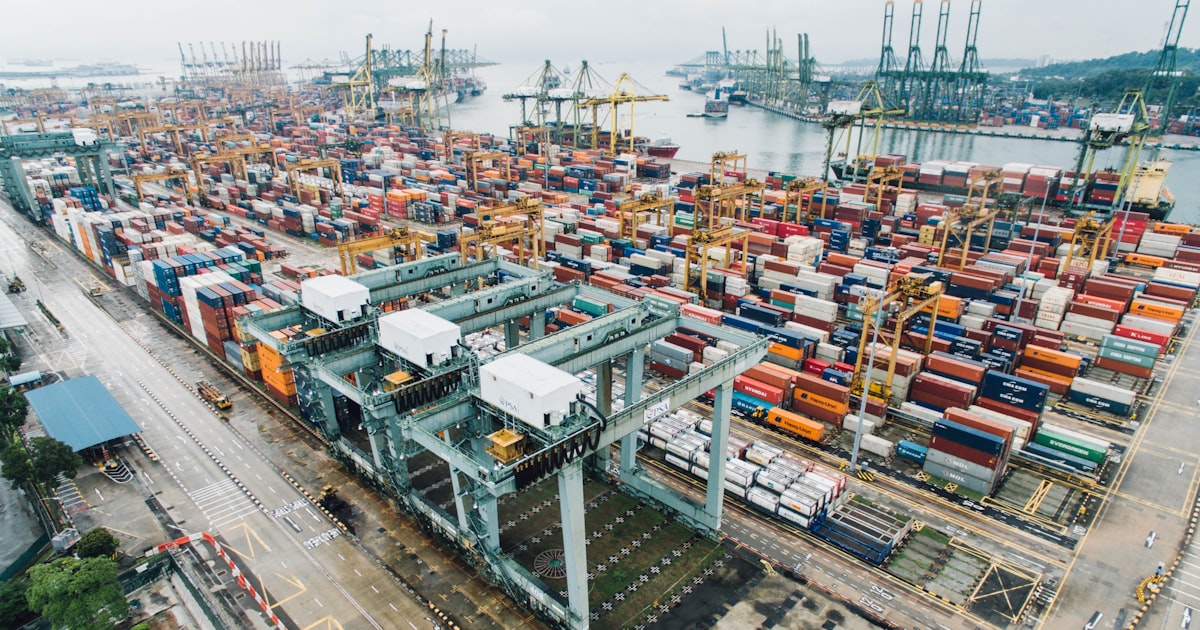
The State of Last-Mile Delivery in Malaysia (2026)
The Malaysian last-mile delivery market is projected to hit RM8.4 billion in 2026, driven by sustained e-commerce growth and a shift toward same-day and next-day delivery expectations. For SMEs, the courier choice directly impacts customer satisfaction, return rates, and profitability — delivery costs eat up 5–15% of the average product price, and a poor delivery experience is the #1 reason shoppers leave negative reviews on Shopee and Lazada.
Four major players dominate the landscape: Pos Laju (the incumbent with the widest reach), J&T Express (the aggressive challenger), DHL eCommerce (the premium option with sustainability credentials), and GrabExpress (the on-demand same-day specialist). Each has distinct strengths and weaknesses for Malaysian SMEs. Let's dive deep.

Pos Laju: The National Reach Champion
Pos Laju, the courier arm of Pos Malaysia, remains the most extensive logistics network in the country, covering over 700 post offices nationwide — including Sabah and Sarawak. For SMEs shipping to rural areas, East Malaysia, or smaller towns where private couriers have thin coverage, Pos Laju is often the only reliable option. Their COD (Cash on Delivery) service is also deeply integrated with their network, making it easy for SMEs selling on their own websites or social media to offer payment on delivery.
However, Pos Laju faces challenges. Service consistency varies significantly between urban and rural branches, tracking accuracy has improved but still lags behind J&T, and the online booking system (POS Online) can feel dated compared to newer players. For high-volume SMEs, Pos Laju offers negotiated rates starting around RM5–RM7 for West Malaysia semi-documents, making them competitive for affordable nationwide shipping.
J&T Express: Speed and Scale for E-Commerce
J&T Express has grown from a 2015 startup to Malaysia's largest e-commerce courier by parcel volume, handling an estimated 40% of Shopee and TikTok Shop deliveries. Their strategy is simple: massive sorting hubs, aggressive pricing, and a mobile-first tracking experience that resonates with Malaysian consumers. For SMEs selling high volumes of low-to-mid value items, J&T's rates are hard to beat — West Malaysia rates start from RM4.50 per parcel for negotiated accounts.
What sets J&T apart is their pickup service: they collect parcels from your doorstep or warehouse for free, with no minimum volume requirement. Their real-time tracking app gives both you and your customers visibility at every sorting point. On the downside, customer service can be slow during peak periods (11.11, Hari Raya, year-end sales), and international shipping coverage is limited compared to DHL or Pos Laju.

DHL eCommerce: Premium Service with Sustainability
DHL eCommerce (formerly DHL Parcel) occupies the premium tier of last-mile delivery in Malaysia. With guaranteed next-day delivery for West Malaysia, real-time GPS tracking down to the driver level, and carbon-neutral shipping options, DHL is the go-to choice for SMEs selling high-value items — electronics, jewellery, luxury goods, or anything where the delivery experience must match the product quality.
DHL's GoGreen programme is increasingly important for environmentally-conscious Malaysian consumers. In a 2025 Nielsen survey, 62% of Malaysian online shoppers said they would choose a retailer offering carbon-neutral shipping over one that doesn't, given similar pricing. DHL eCommerce rates start around RM10–RM15 per parcel for West Malaysia, making them 2–3x more expensive than J&T but justified for premium brand positioning. Their international shipping services are also the most reliable for SMEs eyeing cross-border e-commerce.
GrabExpress: Instant Delivery for Urgent Needs
GrabExpress operates in a different category from the other three — it's an on-demand same-day courier service designed for speed, not volume. GrabExpress Instant delivers within 2–4 hours within the same city, while GrabExpress Same Day covers wider metropolitan areas within 6–8 hours. For SMEs, this is ideal for urgent restocks, gift deliveries, perishable goods (cakes, flowers, prepared food), and last-minute customer orders.
The key trade-off is cost. GrabExpress charges based on distance and vehicle type, with motorcycle delivery starting around RM8–RM15 for a 10km run and cars costing RM15–RM25. It's not viable for high-volume e-commerce fulfilment, but it fills a critical niche. Many SMEs use J&T or Pos Laju for regular orders and GrabExpress for premium same-day delivery upsells — offering "Order by 12pm, delivered by 6pm" as a value-added service.
How to Choose: A Decision Framework for SMEs
There's no single best carrier — the right choice depends on your product profile, customer expectations, and margins. Here's a simple framework:
Budget-conscious SMEs selling low-value items (under RM50): J&T is your primary carrier. Pair with Pos Laju for East Malaysia and rural addresses to avoid J&T's coverage gaps.
Premium or fragile products (RM100+): Use DHL eCommerce as your default, with J&T as a backup for lower-value complementary items. The tracking and insurance are worth the premium.
Food, perishables, or urgent gifts: GrabExpress Instant/Same Day is essential. Many SMEs bake the cost into a "premium delivery" tier on their checkout page.
Multi-channel sellers (Shopee + own website + social media): Consider a logistics aggregator like EasyParcel or Dropoff that consolidates multiple carriers under one platform, giving you access to all four couriers' rates from a single dashboard.
Conclusion
The Malaysian last-mile delivery market in 2026 offers more choice than ever, but the abundance of options can be overwhelming. Smart SMEs don't commit to one carrier exclusively — they build a multi-carrier strategy: J&T for cost-effective volume, Pos Laju for nationwide coverage including Sabah and Sarawak, DHL for premium and international orders, and GrabExpress for urgent same-day deliveries. By matching your courier choice to each order's value and urgency, you optimise both cost and customer satisfaction. Start by opening accounts with at least two carriers, run a 30-day test period, and track delivery times, damage rates, and customer feedback before settling on your mix.
Frequently Asked Questions
For volume shipping (50+ parcels/month), J&T Express generally offers the lowest rates starting around RM4.50/parcel within West Malaysia. Pos Laju is competitive for lightweight documents (RM3–RM5). For occasional shippers without a negotiated account, EasyParcel's consolidated rates often beat direct carrier pricing.
Yes — Pos Laju and J&T both offer robust COD services with remittance cycles of 7–14 days. DHL's COD is available but less commonly used. GrabExpress does not offer COD as it operates on pre-paid on-demand model. COD is particularly valuable for SMEs selling via Facebook, Instagram, or WhatsApp where customers may not trust online payment.
Pos Laju is the most reliable and affordable option for East Malaysia due to its postal network infrastructure. J&T has been expanding its East Malaysia coverage but service consistency varies by district. DHL offers air freight options for East Malaysia at a premium. Always clearly state separate delivery charges for East Malaysia at checkout to avoid margin erosion.
DHL eCommerce includes automatic coverage up to RM500 per parcel with higher coverage available at 1–2% of declared value. Pos Laju offers insured postage at an additional RM2–RM5 depending on declared value. J&T provides basic coverage up to RM200; above that requires purchasing their insurance add-on. Always insure parcels worth over RM200 — the premium is far smaller than the cost of an uninsured loss.
Last-Mile Delivery Options for Malaysian SMEs: Comparing Pos Laju, J&T, DHL and GrabExpress