By Tan Ee Ling · September 2026

Trade-in plus instalments can cut the effective cost of a new iPhone by a third.
How Apple Trade-In Works in Malaysia
Apple's trade-in programme accepts iPhones, iPads, and even Android phones at apple.com/my and Apple stores. Based on recent programmes, Malaysian trade-in values for well-kept units are expected to fall roughly in these ranges once the iPhone 18 lands: iPhone 15 Pro models around RM2,500–RM3,200, iPhone 14 models around RM1,600–RM2,200, and iPhone 13 models around RM900–RM1,400.
The quote depends on three things: model, condition, and whether the screen is intact. Apple gives you an instant online estimate, then confirms the value after inspection. The credit is applied against your new purchase — meaning the trade-in value is deducted from the price before you pay, and you only finance the balance.
Bank 0% Instalment Plans: The SME Default
For most small businesses, a bank 0% instalment plan is the cheapest way to spread the cost. Maybank, CIMB, Public Bank, RHB, and Hong Leong routinely run 0% interest plans of 6, 12, 18, 24, or 36 months on purchases above RM2,000–RM3,000 — either at Apple stores or via authorised resellers like Machines and Switch.
Two traps to avoid:
- Hidden fees: Some "0%" plans charge a one-time processing fee of RM30–RM100, or convert to interest after a promotional window. Confirm the effective annual rate on the bank's website before signing.
- Minimum spend: 0% terms often require a minimum transaction of RM2,000–RM3,000, which a base iPhone easily clears, but a bundled accessory purchase may not.
Example maths: an iPhone 18 Pro at RM5,799, minus a RM2,800 trade-in for an old iPhone 15 Pro, leaves RM2,999 to finance. At 0% over 24 months, that is RM125 a month — less than many postpaid bills.
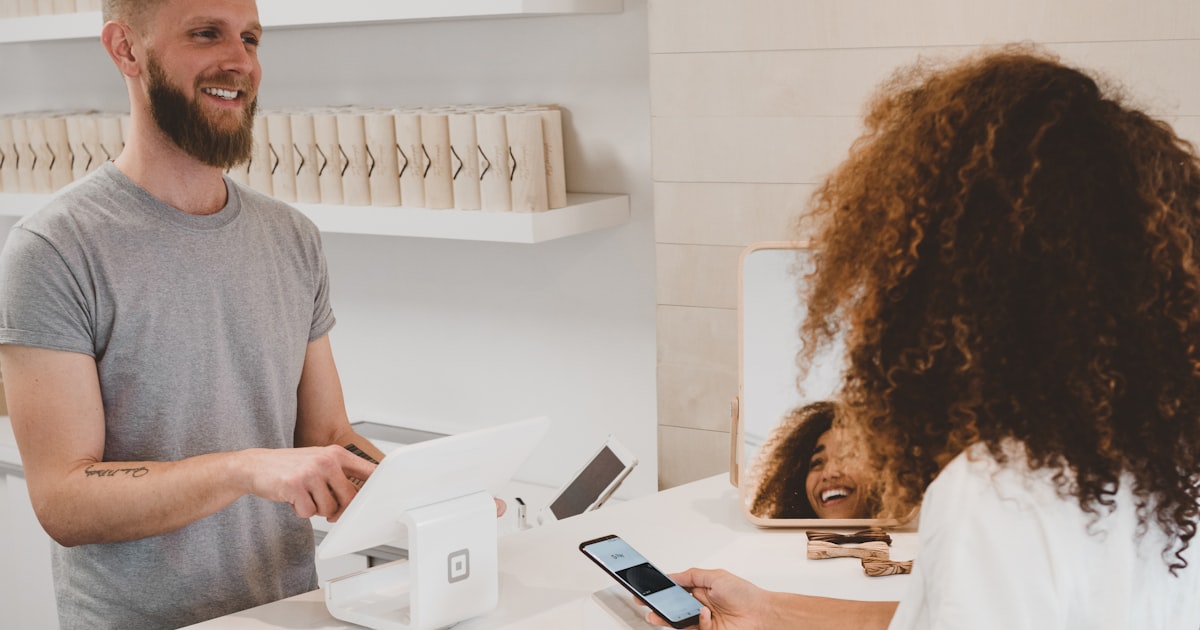
Bank 0% instalment plans turn a RM5,000 device into a RM125 monthly line item.
Telco Device Bundles: Compare the Total, Not the Handset Price
Maxis, CelcomDigi, and U Mobile all offer iPhone 18 device bundles on 24-month contracts, and they are a good option for teams that already need generous data plans. CelcomDigi's device bundles have historically started from around RM99–RM149 a month with an upfront device payment, while Maxis Zero plans spread the full device cost across the contract.
The golden rule: compare the total cost of ownership, not the monthly figure. Add the upfront payment plus 24 monthly instalments, then add your current data spend. If the bundle's total is within RM200–RM400 of a bank instalment plus your existing plan, the bundle wins on convenience. If not, buy the phone separately and keep your cheaper data plan.
Buying Through the Company: What the Accounts Team Needs
If the phone is owned by the company and used for business, treat it as a fixed asset — not a quick expense. Three accounting notes matter for Malaysian SMEs:
- Capital allowance: ICT equipment such as smartphones qualifies for capital allowance under Schedule 3 of the Income Tax Act 1967 — typically an initial allowance of 20% and an annual allowance of 40% (which effectively writes the asset off over two years). Keep the tax invoice as proof of purchase.
- E-invoicing: Under LHDN's e-invoicing framework, the purchase invoice must be submitted through your e-invoice system. If you trade in an old company phone, the trade-in credit is part of the same transaction record — keep the trade-in confirmation alongside the sales invoice.
- Asset register: Record each device's serial number, purchase date, and cost in your fixed asset register. It makes depreciation, insurance claims, and end-of-life disposal far easier.
If instead staff buy their own phones and claim a monthly allowance, that allowance is taxable income to the employee — a common oversight that surfaces during audits.
Company-owned phones are depreciable assets — keep the invoice, serial number, and e-invoice record straight.
Six Tips to Maximise Your Trade-In Value
- Keep the original box and accessories — complete kits quote higher and inspect faster.
- Trade in before the new launch — values drop sharply once the next generation is announced.
- Do a factory reset — erase all data and sign out of iCloud and Find My before handing the phone over. A phone still locked to an Apple ID is rejected outright.
- Fix the small stuff — a cracked screen can cut the quote by 30–50%; a RM200 screen repair can be worth it on a newer phone.
- Check battery health — devices below 80% battery health attract lower quotes.
- Shop the trade-in — Apple isn't the only buyer; authorised resellers and telcos run their own trade-in programmes with different valuations, so compare two quotes before committing.

A small screen repair before trade-in can boost your quote by hundreds of ringgit.
Conclusion
The cheapest way for an SME to upgrade is to combine three levers: trade in old devices before their value drops, finance the balance on a true 0% bank instalment plan, and only take a telco bundle when the total cost beats that benchmark. Done right, a new iPhone costs a small business little more than its data plan.
Do the total-cost maths on every option, keep the paperwork for your accounts and e-invoice submissions, and time your purchases to the launch cycle. A disciplined upgrade routine — trade in, instalment, register, repeat every three years — turns the phone budget from a lump-sum headache into a predictable monthly line item.
Frequently Asked Questions
1. Is a telco bundle or a bank instalment plan cheaper for an SME?
It depends on your data plan. Compare the total cost — upfront payment plus 24 monthly instalments plus your current data spend — against the phone price on a bank 0% plan with your existing plan. Buy separately when the bundle total is more than RM200–RM400 above the alternative.
2. Can a company claim capital allowance on iPhones bought for staff?
Yes. Smartphones used for business qualify as ICT equipment under Schedule 3 of the Income Tax Act 1967, typically with a 20% initial and 40% annual allowance. Keep the tax invoice and record the asset in your fixed asset register.
3. What condition does Apple require for a trade-in?
The phone must power on, have no major screen cracks, and be fully signed out of iCloud and Find My. Devices locked to an Apple ID are rejected. Condition, battery health, and completeness of the box all affect the final quote.
4. Can I combine Apple trade-in with a 0% instalment plan?
Yes — the trade-in credit is deducted from the purchase price first, and you finance only the balance. That is the cheapest combination: a RM5,799 phone with a RM2,800 trade-in leaves just RM2,999 to spread over 24 interest-free months.
5. How does a trade-in affect our e-invoicing records?
Under LHDN's e-invoicing framework, the purchase invoice must be submitted through your e-invoice system, and the trade-in credit forms part of the same transaction record. Keep the trade-in confirmation alongside the sales invoice so the transaction reconciles cleanly at audit time.
Tan Ee Ling is a food industry regulatory consultant who works with Malaysian F&B manufacturers on compliance, licensing, and operational efficiency. She also writes business technology guides for SMEBuddies, translating complicated purchasing and accounting decisions — from device financing to capital allowances — into straightforward advice for small business owners. Her goal is to help Malaysian SMEs spend less on tools and more on growth.
iPhone Trade-In & Instalment Plans in Malaysia: The Cheapest Way for SMEs to Upgrade | SMEBuddies