By Tan Ee Ling · September 2026
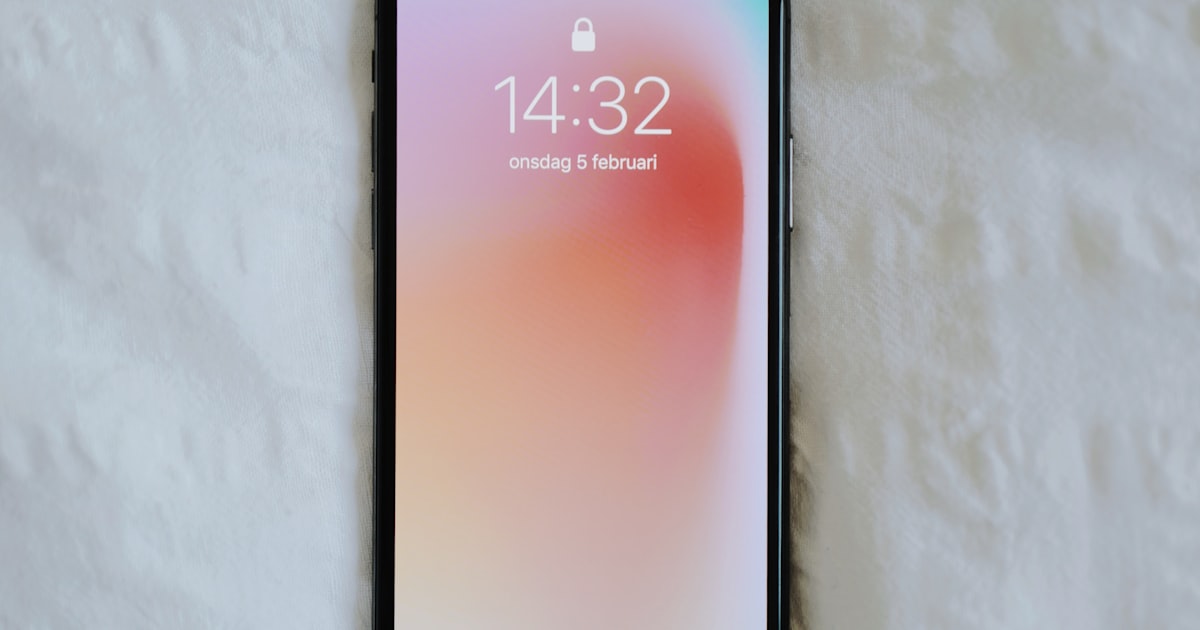
Four iPhone tiers, four different jobs — choose by role, not by spec sheet.
The 2026 iPhone 18 Line-Up at a Glance
Apple's September launch event is expected to bring four tiers to Malaysia: the iPhone 18, iPhone 18 Pro, iPhone 18 Pro Max, and — if the leaks are right — a new iPhone 18 Ultra positioned above the Pro Max. Reported Malaysian launch prices, before carrier promotions, are expected to land roughly in these ranges:
| Model | Expected Price (MYR) | Best For |
|---|---|---|
| iPhone 18 (base) | RM4,599 – RM4,899 | Ops and admin staff |
| iPhone 18 Pro | RM5,499 – RM5,899 | Owners, sales leads, site managers |
| iPhone 18 Pro Max | RM6,199 – RM6,599 | Heavy field users, video shooters |
| iPhone 18 Ultra | RM7,000+ (rumoured) | Content production, power users |
All four are expected to run on a next-generation A20 chip with USB-C charging, and leaks suggest the whole range gets a battery efficiency boost. For a small business, the differences that matter are battery life, camera quality for documentation, and screen size — not benchmark scores.
Match the Model to the Job
The fastest way to overspend is to buy one model for everyone. A clear role-based rule of thumb keeps the bill down:
- The owner: Go for the iPhone 18 Pro. You will use the camera constantly — photographing invoices for e-invoicing records, documenting site conditions, taking product shots — and the Pro's better low-light camera plus longer battery life justify the RM1,000 gap over the base model.
- Sales and field teams: The base iPhone 18 with 256GB covers 90% of field work: GPS navigation, e-wallet payments, DuitNow QR, WhatsApp calls, and photo documentation. Add a rugged case (RM80–RM150) instead of paying for a Pro you will drop on a worksite.
- Operations and admin staff: The base model is more than enough for email, scheduling, and stock management apps. Buy these on 36-month instalments and treat them as a utility, not a status symbol.
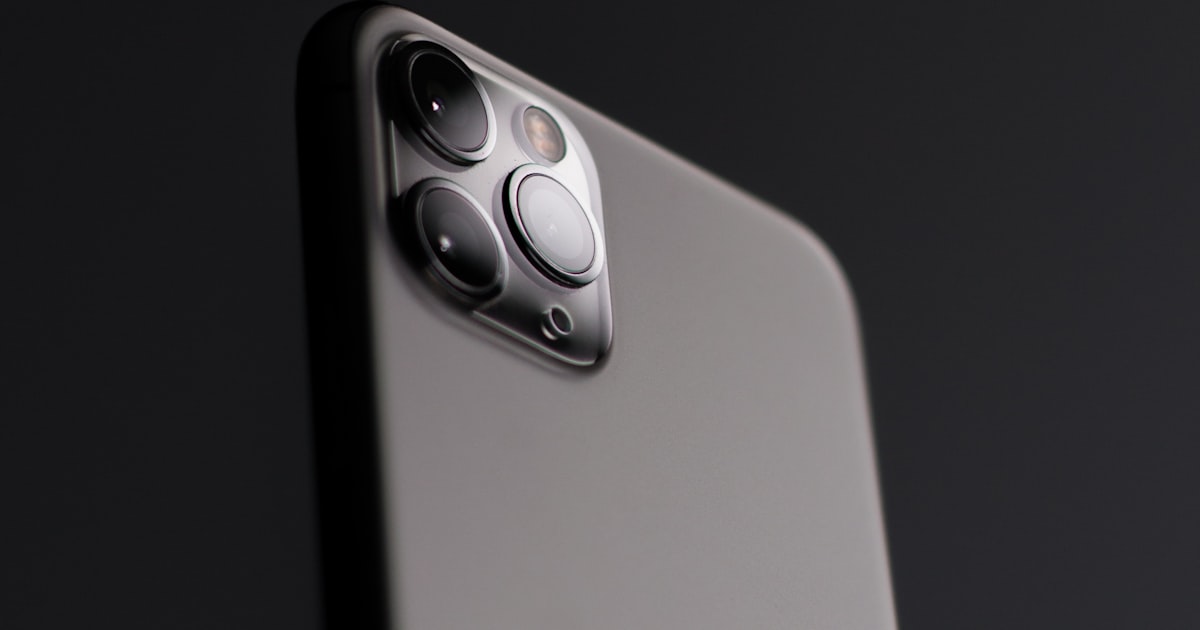
For field and ops staff, a base model with a rugged case beats a Pro in a pocket.
Storage: Don't Overpay, Don't Under-Buy
Storage is where retailers make margin, so decide this before walking into the store. The base 128GB fills up fast once staff start shooting photos and videos for work. For most SME users, 256GB is the sweet spot — enough for two years of app data and documentation without forcing daily cleanups. Reserve 512GB or 1TB for employees who shoot video regularly, such as content or marketing staff.
Also budget for iCloud. A 200GB plan costs RM14.90 a month and keeps a phone's photo library backed up automatically; a 2TB plan at RM49.90 a month can be shared across a five-person team. Both are cheaper than replacing a phone whose data was lost in a flood or a stolen-bag incident.
Budget vs ROI: The Upgrade Math
Before approving the purchase, do the arithmetic the bank would do. An iPhone 18 at RM4,899 used over 48 months costs about RM102 a month — less than a data plan, and far less than the cost of one day of lost productivity when a four-year-old phone freezes during a client meeting. That is the real ROI case: a reliable device is a productivity tool, not a luxury.
If the budget is genuinely tight, consider buying last year's iPhone 17 at a discount once the 18 launches. Malaysian retailers typically cut previous-generation prices by RM300–RM600 within weeks of a new launch, and a one-generation-old phone still has three years of support left in it.
Upgrade Cycles and Business Use Cases
For most Malaysian SMEs, a three-to-four-year upgrade cycle is the right balance. Apple supports iPhones with iOS updates for around six years, so a phone bought in 2026 will still get security updates into the early 2030s. Mid-life, a battery replacement at an Apple-authorised service provider (roughly RM350–RM450) can add another year of all-day battery for a fraction of a new device's cost.
Three business use cases justify the spend:
- Documentation: Receipts, delivery notes, and site photos feed directly into e-invoicing and audit trails. A good camera on a phone in someone's pocket beats a dedicated camera nobody carries.
- Payments: Contactless payments and DuitNow QR work on any recent iPhone, and staff phones double as POS terminals with approved SoftPOS apps — useful for pop-up counters and market stalls.
- Field work: GPS, mobile data, and instant photo sharing turn a field team into a live reporting unit — no laptop required.

Phone cameras are the workhorses of documentation — from delivery notes to e-invoice support files.
Buying Smart: One Practical Checklist
When the new range lands, work through this before you hand over the company card:
- Confirm which tier matches each role, and write the model into the staff allowance policy.
- Check bank 0% instalment offers (Maybank, CIMB, Public Bank and others typically run 12–36 month plans at launch) before accepting telco bundle pricing.
- Budget for accessories — case, screen protector, and a spare USB-C cable per device.
- Plan the trade-in of old units on day one; even RM300–RM500 per old phone adds up across a team of five.
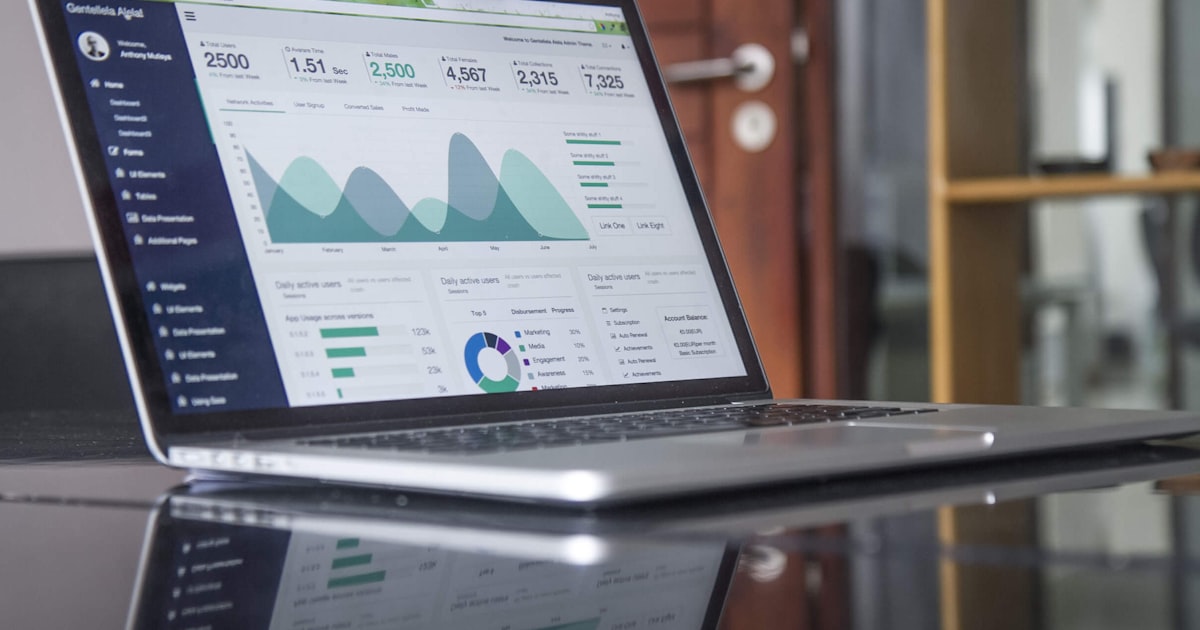
Contactless payments and DuitNow QR turn staff phones into everyday business tools.
Conclusion
The iPhone 18 line-up is bigger than ever — four tiers, and a rumoured Ultra that most Malaysian SMEs simply do not need. The winning move is role-based buying: Pros for the people whose camera and battery earn their keep, base models with 256GB for everyone else, and a disciplined three-to-four-year cycle with trade-ins at every step.
Set the policy, do the monthly-cost maths, and let the phones pay for themselves in documentation, payments, and field productivity. Buy for the job — not for the launch-day hype.
Frequently Asked Questions
1. Should our SME buy the base iPhone 18 or step up to the Pro?
Choose by role. Owners, sales leads, and anyone who photographs documents or works in low light benefit from the Pro's camera and battery. Ops and admin staff will not notice the difference — the base model handles email, apps, and payments flawlessly.
2. How much storage do our staff actually need?
256GB is the safe standard for most SME users. Choose 512GB or 1TB only for staff who shoot video or work with large files, and back everything up to a shared iCloud plan to protect against lost or damaged phones.
3. Is the iPhone 18 Ultra worth it for a small business?
Almost never. At an expected RM7,000+, the Ultra is aimed at video production and power users. Unless your business is content creation, a Pro or Pro Max delivers the same work results for considerably less.
4. How often should a business replace staff iPhones?
A three-to-four-year cycle is the sweet spot. Apple supports iPhones with iOS updates for about six years, and a RM350–RM450 battery replacement mid-life extends usability further. Trade in old units to fund the next round.
Tan Ee Ling is a food industry regulatory consultant who works with Malaysian F&B manufacturers on compliance, licensing, and operational efficiency. She also writes business technology guides for SMEBuddies, helping small business owners make practical, cost-conscious decisions about the tools their teams use every day. Her writing focuses on turning hardware and software purchases into measurable productivity gains.
iPhone 18 Business Buyer's Guide: Which Model Is Right for Your SME? | SMEBuddies