What if you could test a drug, a therapy, or a visual stimulus on a digital replica of the human brain — without involving a single human subject? That's the promise of in silico neuroscience, and Meta just took a massive leap forward with the open-source release of TRIBE v2.
TRIBE v2 is a foundation model that acts as a digital twin of human brain activity. It can predict neural responses to sights, sounds, and text with remarkable accuracy — allowing research labs to simulate clinical trials and test human responses entirely in the digital domain.
What Is TRIBE v2?
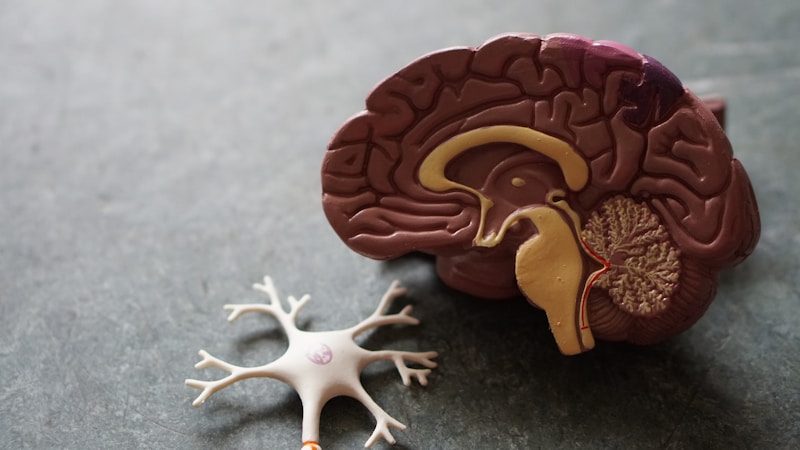
TRIBE (Task-Relevant Information Bottleneck Encoder) v2 is a foundation model trained on extensive fMRI and neural recording data. Unlike traditional AI models that process data, TRIBE v2 actually models the brain's response to stimuli — it can predict which areas of the brain will light up when a person sees an image, hears a sound, or reads a sentence.
The implications are profound. Research labs can now:
- Simulate clinical trials — Test how different patient populations might respond to treatments without recruiting actual subjects
- Validate medical devices — Predict neural responses to visual or auditory stimuli before human trials
- Study brain disorders — Model how neurological conditions affect information processing at unprecedented scale
- Accelerate drug discovery — Screen compounds for neurological effects using digital rather than biological tissue
Why This Matters for Health-Tech
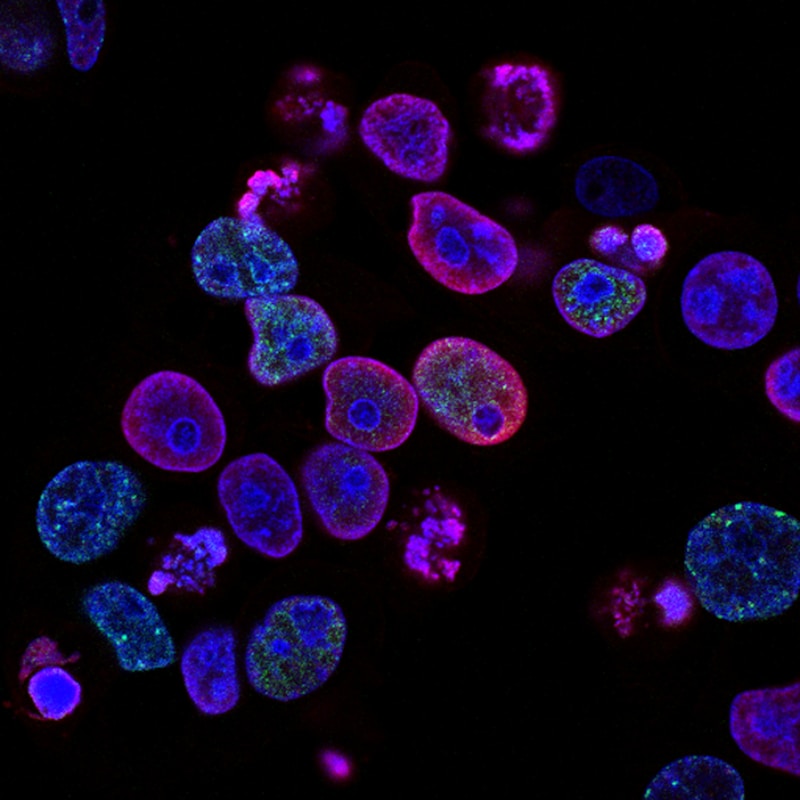
The open-source release of TRIBE v2 democratises access to what was previously available only to well-funded neuroscience labs. Any research institution — including university labs, biotech startups, and health-tech companies — can now build on Meta's foundation model.
This is particularly significant for clinical trial simulation. Traditional drug trials cost millions and take years, with high failure rates. In silico testing using digital twin brains can dramatically reduce both time and cost by identifying promising candidates before human trials begin. While digital twins won't replace human trials entirely, they make the process dramatically more efficient.
Applications Beyond Medicine

The technology also has applications outside healthcare:
- Consumer product testing — Predict how users will visually respond to product designs, packaging, and advertisements
- Entertainment and media — Optimise content for neural engagement — what visuals, sounds, and narratives most effectively capture attention
- Education technology — Design learning materials that align with how the brain processes and retains information
- Human-computer interaction — Build interfaces that account for predicted neural responses, creating more intuitive user experiences
Meta's decision to open-source TRIBE v2 positions it as a foundational tool for an entire ecosystem of neural simulation applications. For researchers and companies in health-tech and deep-tech, the question is not whether to explore this technology — but how quickly they can integrate it into their workflows.
Frequently Asked Questions
What exactly is a digital twin of the brain?
A digital twin brain is a computational model that simulates neural activity. Trained on real fMRI and neural recording data, it can predict how a biological brain would respond to various stimuli — sights, sounds, language — without needing a human subject present. Think of it as a highly specialised AI that models the brain rather than modelling language or images.
Is TRIBE v2 free to use?
Yes. Meta released TRIBE v2 under an open-source license, making it freely available for research and commercial applications. This is a significant departure from proprietary neuroscience models and reflects Meta's strategy of building the foundational layer for neural AI applications.
How accurate is the digital twin compared to real brains?
TRIBE v2 achieves strong predictive accuracy on benchmark neural response datasets, particularly for visual and language stimuli. However, it's a statistical model — it captures population-level patterns rather than individual neural activity. It's best used as a screening tool to identify promising candidates for further testing, not as a complete replacement for human trials.
What hardware do I need to run TRIBE v2?
The model requires GPU acceleration for efficient inference. Meta has published optimised implementations that run on consumer-grade GPUs for smaller-scale applications, while larger simulations may require cloud GPU instances. The specific requirements depend on the scale of your simulation.
Conclusion
As a Malaysian SME, staying informed and taking action on what you learn is what sets your business apart. The strategies and tools discussed in this article are designed to be practical and achievable. Start with one area, master it, then expand. Remember, the goal is progress, not perfection.
This article was written by the SMEBuddies editorial team. We help Malaysian small business owners grow smarter with practical, actionable advice.
In Silico Neuroscience & Digital Twins: Meta TRIBE v2 Simulates the Human Brain