Introduction: Why Trade Matters for SMEs
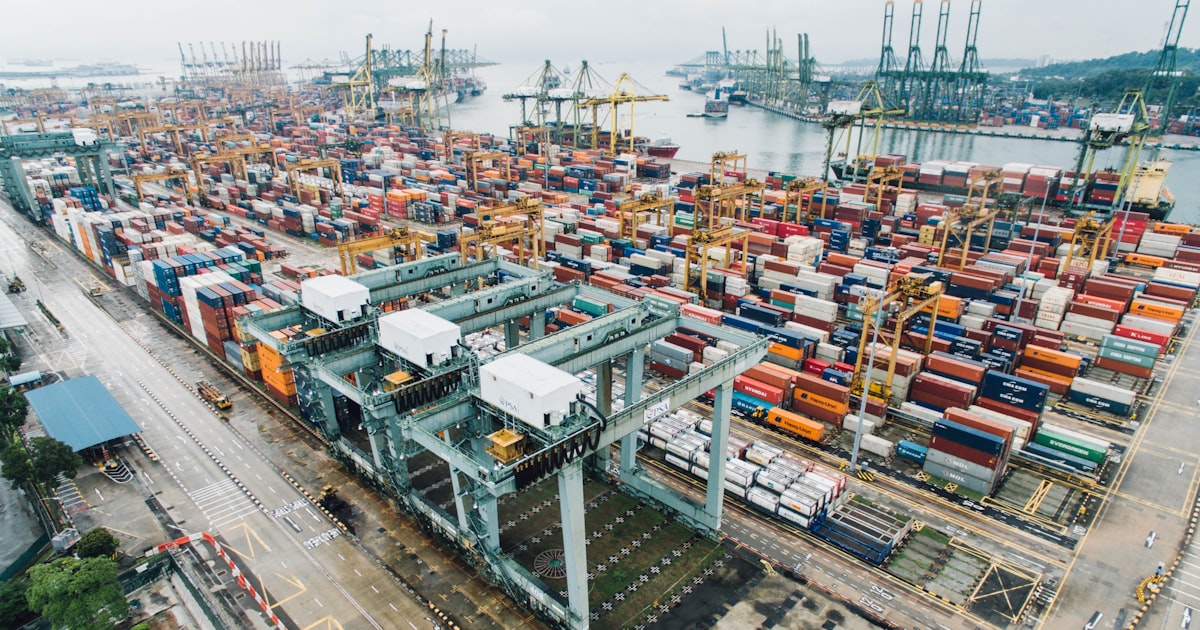
Malaysia has always been a trading nation. From Port Klang to Penang Port, our infrastructure supports one of the most open economies in Southeast Asia. For SMEs, trade offers a path to scale beyond the domestic market, access better-priced raw materials, and diversify revenue streams. But the paperwork can be intimidating. Between customs declarations, import duties, sales tax, and permit requirements, many small business owners hesitate. The key is understanding the process step by step — it's far more manageable than it seems at first glance.
1. The First Step: Getting Your Customs Registration
Before you can import or export commercially, your business must be registered with Royal Malaysian Customs Department (RMCD). This involves obtaining a Customs Registration Number, which is linked to your company's SSM registration.

Required documents:
- Form C (Customs Registration Application)
- Copy of SSM registration certificate (Form 9 / Form D)
- Business profile from SSM
- Company directors' MyKad copies
- Latest audited financial statements (or management accounts for new companies)
- Bank account details
Processing typically takes 5 to 14 working days. You'll also need to register with the Malaysian Customs' uCustoms portal, the online platform for all customs declarations and payments.
2. Import Permits: What You Need and When
Not all goods require an import permit in Malaysia. General consumer goods, basic raw materials, and machinery are typically unrestricted. However, certain categories are controlled and require additional approval from specific agencies.
Common controlled goods and their approving agencies:
- Food products: Ministry of Health (MOH) — requires product registration and label approval
- Electrical and electronic goods: Energy Commission (ST) — certification of safety standards
- Fertilisers and pesticides: Department of Agriculture (DOA) — product registration
- Motor vehicles: Ministry of International Trade and Industry (MITI) — AP permit required
- Pharmaceuticals and cosmetics: National Pharmaceutical Regulatory Agency (NPRA) — product registration mandatory
- Used goods and scrap metal: MITI — import licence required
Always check the Harmonised System (HS) code for your product before shipping. Getting the HS code wrong can lead to incorrect duty assessment, delayed clearance, and storage charges at the port.
3. Duties, Sales Tax, and Service Tax
Malaysia applies a tariff structure under the ASEAN Harmonised Tariff Nomenclature (AHTN). Most raw materials and machinery attract 0% to 5% import duty, while finished consumer goods can range from 10% to 30%.

Key taxes on imports (2026):
- Import Duty: Varies by HS code — 0% to 60%. Use the MySikap portal to check exact rates.
- Sales Tax: 10% on most imported goods (5% for selected essentials). Calculated on the CIF value plus duty.
- Service Tax: 8% on taxable services (freight, logistics, customs agent fees) if your annual turnover exceeds RM500,000.
4. Essential Documentation for Every Shipment
Every import or export shipment requires a core set of documents. Missing even one can result in shipment delays, fines, or goods being held at customs. The standard checklist includes: Commercial Invoice (with full description, HS code, quantity, value, and country of origin), Packing List (detailing weight, dimensions, and package contents), Bill of Lading (for sea) or Airway Bill (for air freight), Customs Declaration Form (k1/k2 — lodged via uCustoms), Certificate of Origin (if claiming preferential duty rates), and Import/Export Licence or Permit (for controlled goods).
Many SMEs engage a licensed customs agent — known as a forwarding agent or freight forwarder — to handle the declaration and clearance process. Customs agent fees in Malaysia range from RM100 to RM500 per declaration, a small price for avoiding documentation errors that can cost thousands in port storage fees.
Conclusion
Importing and exporting doesn't have to be overwhelming. Start with the basics: register with Customs, understand your product's HS code and permit requirements, factor duties and sales tax into your pricing, and keep meticulous records for every shipment. Use a licensed customs agent for your first few shipments while you learn the ropes, and leverage Malaysia's free trade agreements — especially ATIGA — to reduce your duty burden. The global market is open for Malaysian SMEs; the paperwork is just a threshold to cross.
Frequently Asked Questions
All commercial shipments require a customs declaration regardless of value. However, samples and documents valued under RM500 may qualify for simplified clearance. For personal imports, the de minimis threshold is RM500 before duty and tax apply.
Use the MySikap portal (mysikap.customs.gov.my) or the Malaysia Trade Classification and Customs Duties website. You can also ask your customs agent or freight forwarder to classify it — they handle HS code classification daily and can get it right the first time.
Legally, you can self-declare using the uCustoms system. In practice, most SMEs use a licensed customs agent because the documentation is technical and errors are costly. Agent fees are deductible business expenses.
Yes. Raw materials imported for manufacturing may qualify for duty exemption under the Raw Materials Duty Exemption scheme. This requires approval from MIDA and a manufacturing licence. The application process takes 4 to 8 weeks.
This article was written by Low Kok Ping, a contributor to SMEBuddies. Low covers entrepreneurship and business development for Malaysian SMEs.
Import and Export Basics for Malaysian SMEs: Permits, Duties and Documentation