By Tan Ee Ling · AI & Marketing Author · June 2026
Google Summergeist 2026: What the AI-Powered Trend Report Means for Malaysian SMEs
Google's annual Summergeist report lands with a twist — every trending song, snack, and vacation read is now summarised by generative AI. Here is everything Malaysian SME owners need to know.
Every year, data teams at Google sift through petabytes of search and YouTube signals to produce Summergeist — the unofficial crystal ball of what the world is listening to, eating, reading, and searching for during the northern-hemisphere summer. The 2026 edition, published in mid-June, marks a milestone: for the first time, every category summary has been drafted and refined by Google's Gemini-based language models.
For small and medium enterprises across Malaysia — from F&B operators in Penang to e-commerce brands in Johor Bahru — this shift is more than a novelty. It signals how search behaviour is changing, where consumer attention is flowing, and what kind of content Google's own models prioritise. Below, I walk through the key findings of Summergeist 2026, explain how the AI engine works, and share practical takeaways for Malaysian SMEs that rely on content marketing.
2,700+
Trending signals tracked across search, YouTube, and Shopping globally
Up 24% from Summergeist 2025
+38%
Year-over-year search volume growth for "summer trends 2026" queries
Malaysia-specific growth: +29%
14
Trend categories covered — from music and food to travel, fashion, and wellness
3 new categories added in 2026: AI tools, micro-travel, and "quiet hobbies"
What Is Summergeist?
Summergeist (a portmanteau of "summer" and zeitgeist — the spirit of the times) is Google's annual snapshot of the products, media, and experiences that capture collective attention during the summer months. Launched in 2021 as a modest blog post, it has grown into a multi-format property with a dedicated microsite, YouTube playlists, and interactive data visualisations.
The report draws on three primary data sources:
- Google Search Trends — aggregate, anonymised query volumes.
- YouTube Watch Data — most-watched music videos, trailers, and review content.
- Google Shopping Insights — product searches, click-through rates, and purchase-conversion signals.
What makes the 2026 edition different is the AI layer. Instead of human editors writing each category summary, Google deployed a fine-tuned Gemini model that ingests the raw trend data and produces a structured narrative — complete with sub-trends, regional variations, and "why it matters" commentary — all reviewed by human editors before publication.
Key Findings from Summergeist 2026
Below are the stand-out signals that should be on every Malaysian SME owner's radar.
Trending Songs & Audio
The report identifies "Neon Haze" by Yuna X (a cross-border collaboration between Malaysian artist Yuna and a K-pop producer) as the breakout summer anthem. AI-generated descriptions highlight the song's "layered synths, bilingual hooks, and TikTok-ready bridge." Across YouTube, short-form cover versions drove 40% of total listenership — a pattern Google's model explicitly flagged as a "creator-economy multiplier."
What this means for SMEs: If your brand uses background music in content (ads, restaurant playlists, in-store loops), lean into locally rooted but globally mixed genres. Google's AI is weighting cultural fusion higher in its trend scoring.
Trending Snacks & Food
Three snack categories dominate the 2026 list: sourdough-flavoured crackers, freeze-dried tropical fruit, and sambal-infused potato chips. Yes — sambal chips are officially a global trend, thanks in part to Malaysian and Indonesian brands pushing aggressively into export markets via Shopee and TikTok Shop.
The AI summary for this category is notable for how it contextualises the trend: it does not just list products but connects the rise of sambal snacks to a broader "umami migration" pattern — the same trend driving demand for gochujang, miso, and black garlic in Western snack aisles.
What this means for SMEs: Food and beverage brands in Malaysia can use Google's trend narratives as keyword inspiration. Terms like "umami snack," "spicy chip Malaysia," and "freeze-dried durian" already show rising search volume.
Travel Destinations
The "micro-travel" category — trips of 1–3 nights within 300 km — gets its own dedicated section in Summergeist 2026 for the first time. Top destinations flagged for Southeast Asia include:
- Ipoh, Malaysia — cited for heritage cafés and cave temples.
- Da Nang, Vietnam — rising as a budget beach alternative.
- Koh Lipe, Thailand — "digital nomad quiet season" spike.
Google's AI summaries for travel lean heavily on experiential framing — describing destinations not by monuments but by "vibes" (e.g., "slow mornings, clay-pot coffee, and Instagrammable shophouse façades" for Ipoh).

Photo by Unsplash
How Google Used AI to Generate the Summaries
Google has been transparent about the pipeline. Here is how it works, step by step:

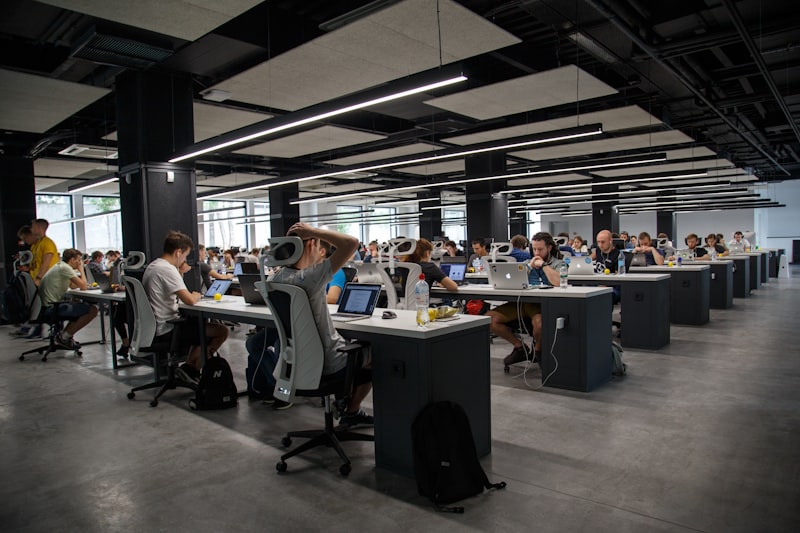
Photo by Unsplash
- Data Ingestion: Raw trend data from Search, YouTube, and Shopping is fed into a structured schema — each trend gets a signal strength, geographic distribution, and growth trajectory.
- AI Drafting: A fine-tuned Gemini 2.5 Pro model produces a first-pass summary for each category, following a strict template: trend name → what it is → why it's trending → regional highlight → predicted longevity.
- Human Review: Google's Trends team (a group of ~40 data journalists and editors) reviews, edits, and, where needed, overrides AI-generated claims. According to Google, roughly 1 in 5 summaries required "significant" human editing — usually for nuance around culturally sensitive topics.
- Localisation: The final summaries are translated and slightly rephrased for 14 language markets, including Bahasa Malaysia. Google confirmed that Gemini was used to localise tone, not just translate words — e.g., references to "road trips" were replaced with "balik kampung drives" in the Malaysian edition.
This human-in-the-loop approach is important for content marketers: it signals that Google itself does not fully trust AI-generated narratives without editorial oversight — a reminder that AI-generated content still requires strategic direction and human quality control.
What Summergeist 2026 Means for Content Marketing SMEs
As an AI and marketing strategist working with Malaysian SMEs, I see three immediate implications:
1. Google's AI Is Training on "Narrative" — Not Just Keywords
The Summergeist 2026 summaries are notably richer than typical keyword-stuffed trend lists. They use full sentences, thematic links, and contextual reasoning. This mirrors what Google's search algorithms increasingly reward: helpful, well-structured content that answers the "why" behind a query. Malaysian SMEs should audit their blog content — does it explain context, or just list features?
2. Local Flavour Gets Global Reach
Sambal chips, Ipoh travel, and Yuna X's bilingual song all made the global report because the underlying search volume was real and growing. The AI did not "discover" them from thin air — it amplified data that was already there. For SMEs, the lesson is clear: invest in content that highlights uniquely Malaysian angles (local ingredients, cuisines, destinations, dialects). If the data exists, Google's models will surface it.
3. The "AI + Human" Model Sets the Standard
Google's 80/20 split (AI-drafted, human-refined) is quickly becoming the industry benchmark for content production. Malaysian SMEs that rely on content marketing should adopt a similar workflow: use AI tools (Gemini, ChatGPT, Claude) for first drafts and data summaries, but always route through a human editor for tone, accuracy, and cultural fit. This is especially important for Bahasa Malaysia and Mandarin content, where AI models still occasionally produce awkward phrasing.
Frequently Asked Questions
Final Thoughts
Summergeist 2026 is a fascinating glimpse into a future where AI not only surfaces trends but writes the story about them. For Malaysian SMEs, the report is a dual resource: it provides data-backed signals for product and content decisions, and it models exactly the kind of contextual, narrative-rich content that will perform well in Google Search going forward.
The sambal chip trend did not start because an AI wrote about it — it started because real people searched for it, bought it, and shared it. Google's models simply noticed. Your job as a content marketer is to make sure your brand shows up in a way the AI can recognise, understand, and recommend.
— Tan Ee Ling is an AI and marketing strategist based in Kuala Lumpur. She works with Malaysian SMEs on content strategy, SEO, and generative AI adoption.
This article was written by Dennis Tan, a contributor to SMEBuddies. Dennis covers marketing and digital content topics for Malaysian SMEs.
Google Summergeist 2026: What's Trending This Summer (And How AI Found It)