By Julie Daphne · September 2026
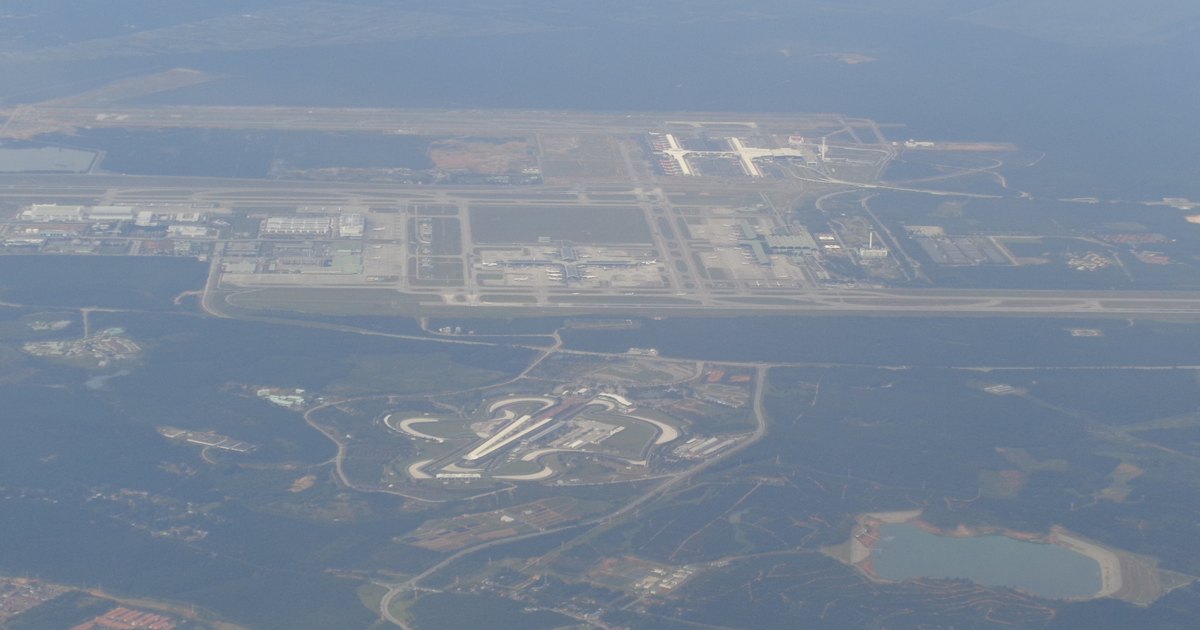
An aerial view of the Sepang International Circuit, which hosts Formula 1 again in October 2026. Photo: CK Tan / Wikimedia Commons (CC BY 3.0).
What Is Actually Happening at Sepang
The Sepang International Circuit hosts the Formula 1 Gulf Air Bahrain Grand Prix from 2 to 4 October 2026 — a one-off relocation of the Bahrain round, and Malaysia's first Formula 1 weekend since 2017. Preparations reached 80% as of 10 September, according to Youth and Sports Minister Dr Mohammed Taufiq Johari, with upgrade works that began on 7 September and 500 volunteers identified for training.
The commercial arrangement matters more than the race itself. Bahrain absorbs the Formula 1 rights fee, estimated by Sepang International Circuit chief executive Azhan Shafriman at RM285 million to RM326 million, and keeps the naming rights and ticket revenue. Malaysia's costs are limited: the Prime Minister said the country needs to spend up to RM16 million on minor track repairs, while SIC puts total local preparation costs at around RM40 million. Federal road maintenance of RM16 million and RM1.5 million from the Selangor state government were allocated for routes serving the circuit.
Where the Money Actually Lands
Hong Leong Investment Bank Research estimated on 14 September that the race could generate RM1.1 billion to RM1.3 billion in total economic output, driven by visitor spending rather than gate receipts. The bank noted that Formula 1 spectators have historically spent between 1.5 and 3.6 times more than the average visitor, with average spending per attendee estimated at about RM8,879. Analysts quoted by Channel NewsAsia put Malaysia's tourism revenue from the weekend at around RM500 million, pointing to the 200,000 international visitors recorded at the 2017 race.
Three factors sharpen the opportunity. The race falls inside China's National Day Golden Week and within the Visit Malaysia 2026 campaign, which targets 47 million arrivals and RM329 billion in tourism receipts. The Singapore Grand Prix follows from 9 to 11 October, which analysts expect will pull fans through both countries. Sepang also sits minutes from Kuala Lumpur International Airport, though about 60km from the city centre.
Timing cuts the other way too. The race overlaps with the closing stages of Le Tour de Langkawi and the Kuala Lumpur Standard Chartered Marathon, and hotels near the circuit were reported fully booked within hours of the announcement. Budget rooms around KLIA sold out months ago, and published rates at some properties roughly tripled.
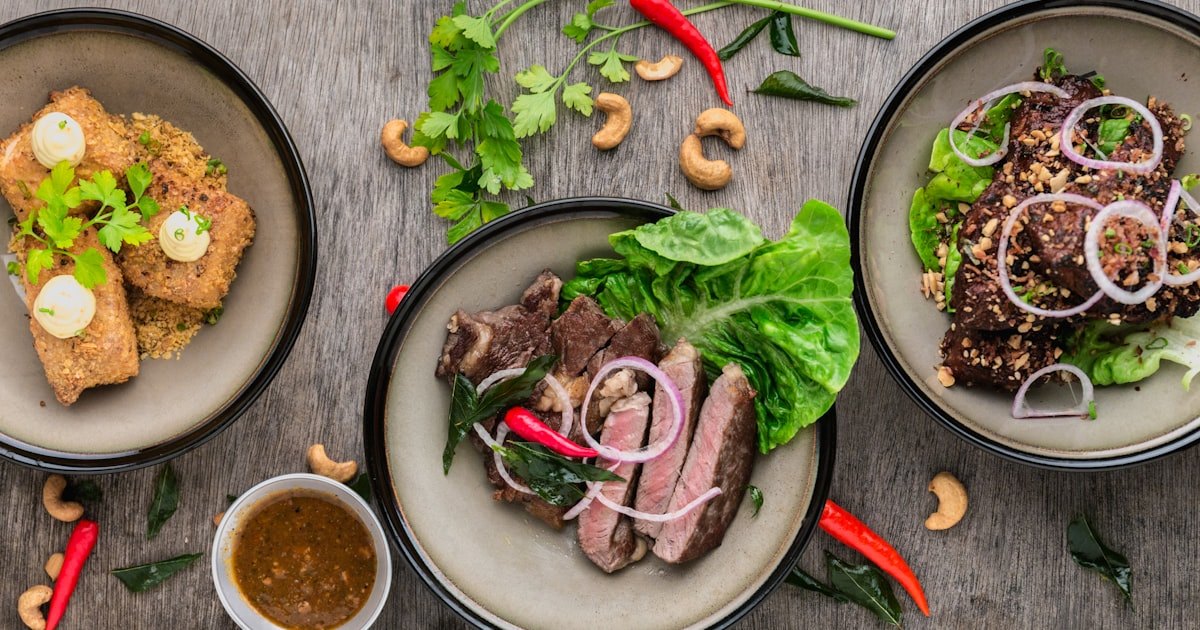
Food and beverage is the most accessible slice of the race-weekend spend for a small operator.
Seven Ways a Small Business Can Earn From It
Food and beverage. Circuit-side stalls, pop-ups and catering for tour groups. Guests in Sepang, Cyberjaya and Putrajaya eat before and after sessions, so breakfast and late-night demand both stretch.
Homestays and short-stay rentals. Sepang homestay operators reported enquiries from Malaysia and overseas within hours of the July announcement.
Transport and airport transfers. Chauffeurs and private operators have already taken weekend bookings, some from clients extending into longer Malaysian holidays. Group transfers, KLIA pickups and shuttle runs sit in the gap left by the accommodation crunch.
Merchandise. Caps, shirts and race-weekend bundles sell well, but only within licensing limits. Formula 1 is a protected brand, and unlicensed use of its marks is an enforcement risk.
Tour packages. Tourism Selangor is promoting packages that bundle the race with nature, cultural, culinary and shopping experiences statewide, explicitly to extend stays and spread spending into local communities.
Staffing. Event crew, food and beverage servers, drivers, cleaners and security. Five hundred volunteers are being trained, and paid roles sit alongside them.
Event logistics. Equipment rental, generators, tents, cold storage, signage, cleaning and last-mile delivery — spending a three-day event cannot avoid.
Government Space for Small Traders
Prime Minister Datuk Seri Anwar Ibrahim has instructed the circuit operator to set up "hundreds of stalls" around Sepang during race week, saying attention should go to low-income earners and not only to "big, expensive restaurants." The Youth and Sports Ministry is working with the Entrepreneur Development and Cooperatives Ministry to provide selling space for local traders, including students, veterans and small-scale entrepreneurs, beyond a two-kilometre radius. Booths inside that radius are approved by Bahrain International Circuit, so official channels are the only legitimate route in.
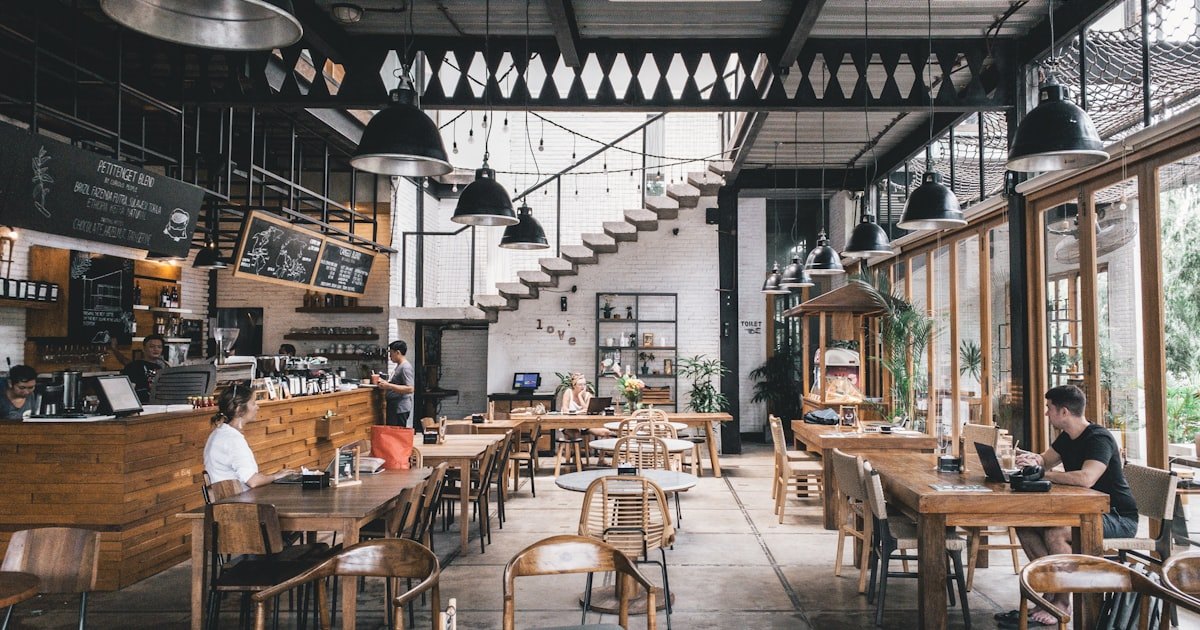
Restaurants across the Klang Valley expect a three to four day spike in covers.
The Costs, Permits and Risks You Must Price In
Licensing and premises. Local councils control premise and signboard licences, and food businesses need health certification plus food-handler and typhoid vaccination records. Space at the circuit or in surrounding zones carries its own conditions.
Price gouging. The Domestic Trade and Cost of Living Ministry runs the PATUH Tourist Focus Zone programme across 16 tourist hotspots, requiring traders to justify price increases against input costs. Where a trader cannot substantiate an increase, it may be treated as profiteering — an offence under ministry laws. Charge more only when you can show why.
Ticket inventory. The ministry and the Communications Ministry are reviewing legislation to curb ticket scalping, and SIC says tickets bought in bulk and resold in breach of terms may be cancelled. Do not build any part of your business model on resold tickets.
Staffing reliability. Race demand is a spike, not a season. Confirm your people before you confirm your orders.
Capacity and conditions. Accommodation capacity is fixed, short-term rental rules differ by local authority, and haze has already raised air-quality concerns in the Klang Valley.
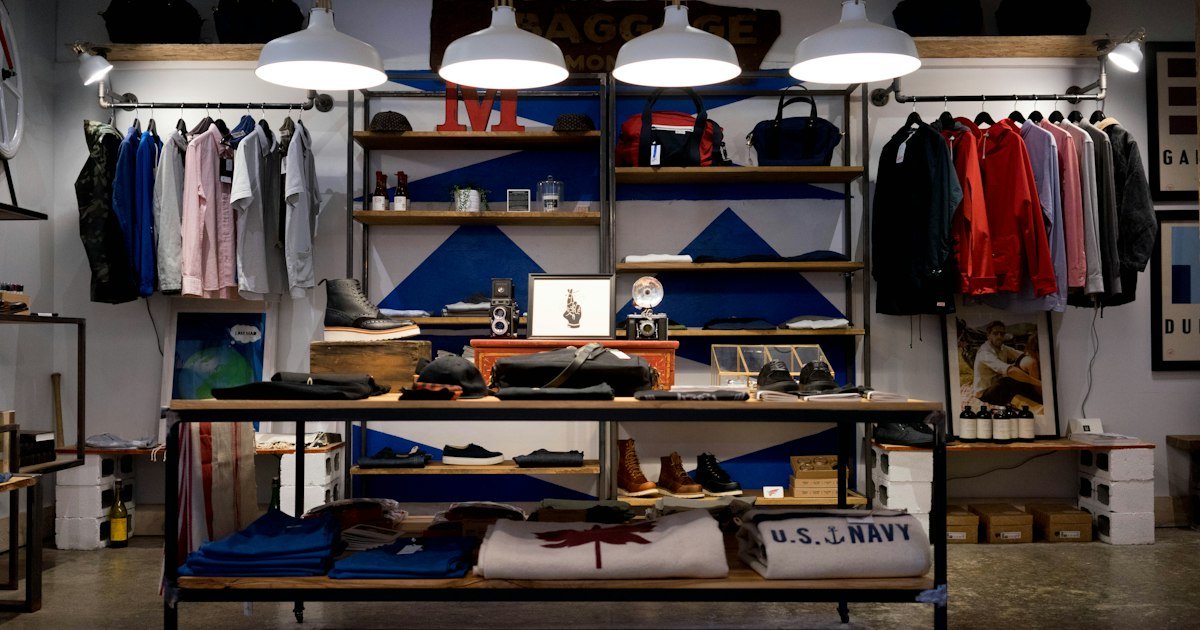
Merchandise and retail stalls depend on stock arriving before race week, not during it.
The Final Countdown
| When | What to do |
|---|---|
| Four weeks out | Lock licences and permits, register for government trader space, confirm insurance and supplier pricing |
| Three weeks out | Confirm staff and rosters, publish race-weekend rates, build room-and-transport packages |
| Two weeks out | Push pre-bookings, stock for cash sales, prepare QR payment and float |
| One week out | Confirm logistics and cold chain, brief staff on pricing rules, write a bad-weather plan |
| Race weekend | Display prices clearly, keep records, replenish stock between sessions |
Conclusion
The Sepang Formula 1 weekend is a rare thing for Malaysian small businesses: a large, geographically concentrated, high-spending event that the country did not have to pay a rights fee to host. The economic output is real but it is not evenly distributed — it lands in food, accommodation, transport, staffing and logistics, and mostly outside the circuit gates.
The businesses that will do well from 2 to 4 October are the ones treating it as an operations problem, not a marketing one: permits secured, staff committed, prices published and defensible, and stock in hand. Those who leave it to the last week will be selling against the same crowd with none of the groundwork done.
Start with the permit and the roster. Everything else follows from those two.
Frequently Asked Questions
How much can one small business realistically make from the F1 weekend?
There is no published per-business figure. HLIB Research's RM1.1 billion to RM1.3 billion estimate covers the whole economy, and analysts put tourism revenue at around RM500 million. Your share depends on whether you are inside the circuit, in the surrounding zone, or serving the Klang Valley, plus your permit, capacity and pricing.
Do I need a permit to sell near the circuit?
Most food, beverage and premises activity near the circuit requires local council licensing, and food handlers need health certification. Space inside the two-kilometre radius is allocated through official channels, with booths inside the circuit approved by Bahrain International Circuit.
Can I sell F1-branded merchandise?
Only with the appropriate rights. Formula 1 branding is licensed intellectual property, and selling unlicensed merchandise is an enforcement risk rather than a grey area. Generic race-weekend merchandise that avoids the protected marks is the safer route.
Are the dates and the venue confirmed?
Yes. The Formula 1 Gulf Air Bahrain Grand Prix will be held at the Sepang International Circuit from 2 to 4 October 2026. Bahrain retains the naming rights and ticket revenue, and Malaysia's benefit is expected to come from visitor spending outside the circuit.
How do I apply for a trader booth?
Approach the Youth and Sports Ministry and the Entrepreneur Development and Cooperatives Ministry, which are jointly arranging space for local traders around Sepang and beyond. Do not pay a third party for a booth you have not confirmed through those channels.
Julie Daphne covers tourism, hospitality and food businesses for SMEBuddies, tracking how major events, travel trends and licensing rules translate into revenue for small operators. She has worked in hotel operations and destination marketing, and writes regularly on seasonality, pricing and guest experience for Malaysian businesses. Her reporting for SMEBuddies focuses on the practical side of hospitality — margins, staffing and the operational detail behind a good guest review.
Formula 1 Returns to Sepang: The RM1.3 Billion Opportunity for Small Businesses