By Tan Ee Ling · November 2026
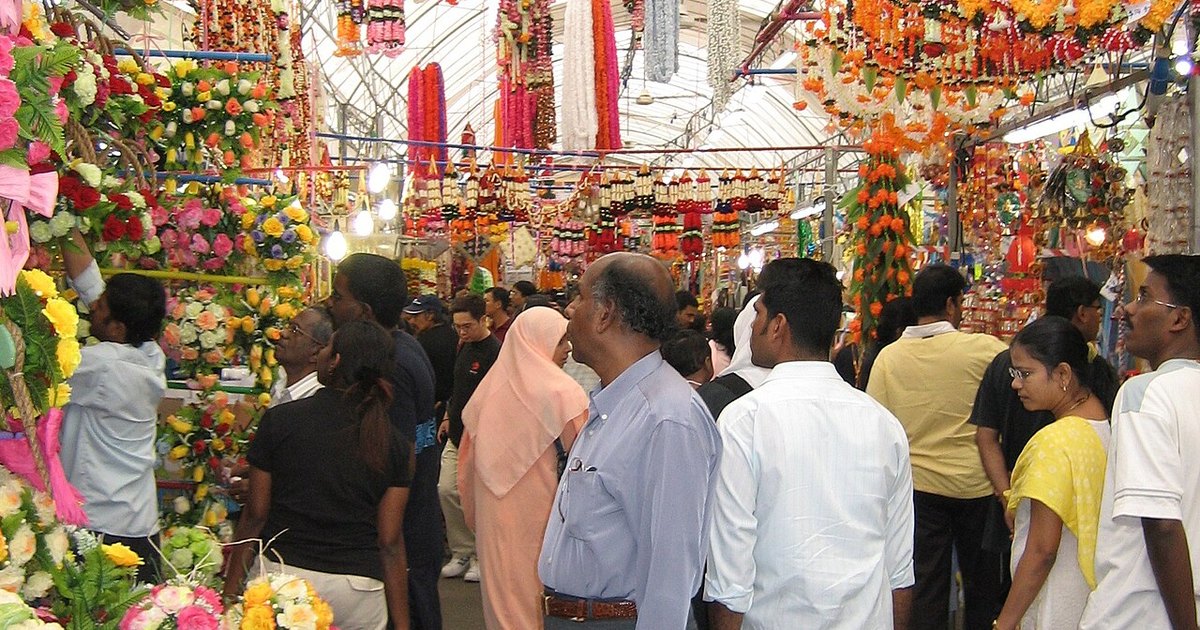
A Deepavali bazaar in Singapore's Little India: garlands, decorations and dense foot traffic in the final week. Photo: Stefano Vigorelli, Wikimedia Commons, CC BY-SA 4.0.
Five days, three different trading days
The mistake most owners make this week is treating 6 to 10 November as one long weekend — each date behaves differently, and that difference decides when you take deliveries, roster staff and invoice.
| Date | What it actually is | What to plan for |
|---|---|---|
| Fri 6 Nov | Normal working day except in Perak, where it is the Sultan of Perak's birthday | Last full ordering day for most suppliers; last realistic courier collection for weekend delivery |
| Sat 7 Nov | Normal Saturday | Peak walk-in and last-minute gifting; staff at full strength |
| Sun 8 Nov | Deepavali, gazetted in every state except Sarawak | Malls trade, bazaars wind down, most offices shut; skeleton crew only if you have paying traffic |
| Mon 9 Nov | Replacement public holiday in Johor, Melaka, Negeri Sembilan, Pahang, Perak, Perlis, Penang, Sabah, Selangor, Kuala Lumpur, Putrajaya and Labuan | Working day in Kedah, Kelantan, Terengganu (Friday–Saturday weekend) and Sarawak (no Deepavali); decide by Wednesday who works |
| Tue 10 Nov | Additional school holiday in Group B states and the federal territories; in Group A states and Sarawak, only Monday 9 November was given | Not a public holiday for private employers; expect leave requests and a slow B2B morning |
The Kedah, Kelantan and Terengganu position catches people out every year. Those states rest on Friday and Saturday, so Sunday is a working day and Deepavali is observed on the day itself. Sarawak does not gazette Deepavali at all, which means 9 November there is a normal Monday for private employers even though schools are closed.
Stock: what to stop buying before Friday
Split your festive lines into two piles by Thursday. One is perishable and short-dated: sweets, flowers, garlands, fresh produce, anything with a shelf life under a week. Order for 7 and 8 November only. A delivery that lands on Monday 9 November is not stock, it is a write-off with a delivery charge attached.
The other stores: oil lamps, kolam materials, textiles, gift packaging, non-perishable hampers. These carry over to next year without much loss, so a modest over-order is survivable. The expensive error is over-ordering perishables because the bazaar looked busy on Wednesday.
Set your markdown rule in writing before the weekend: any festive perishable unsold by close on Sunday is discounted 30 per cent on Monday and 50 per cent on Tuesday. Deciding this in advance stops the Monday-morning argument between the person holding the stock and the person holding the margin.
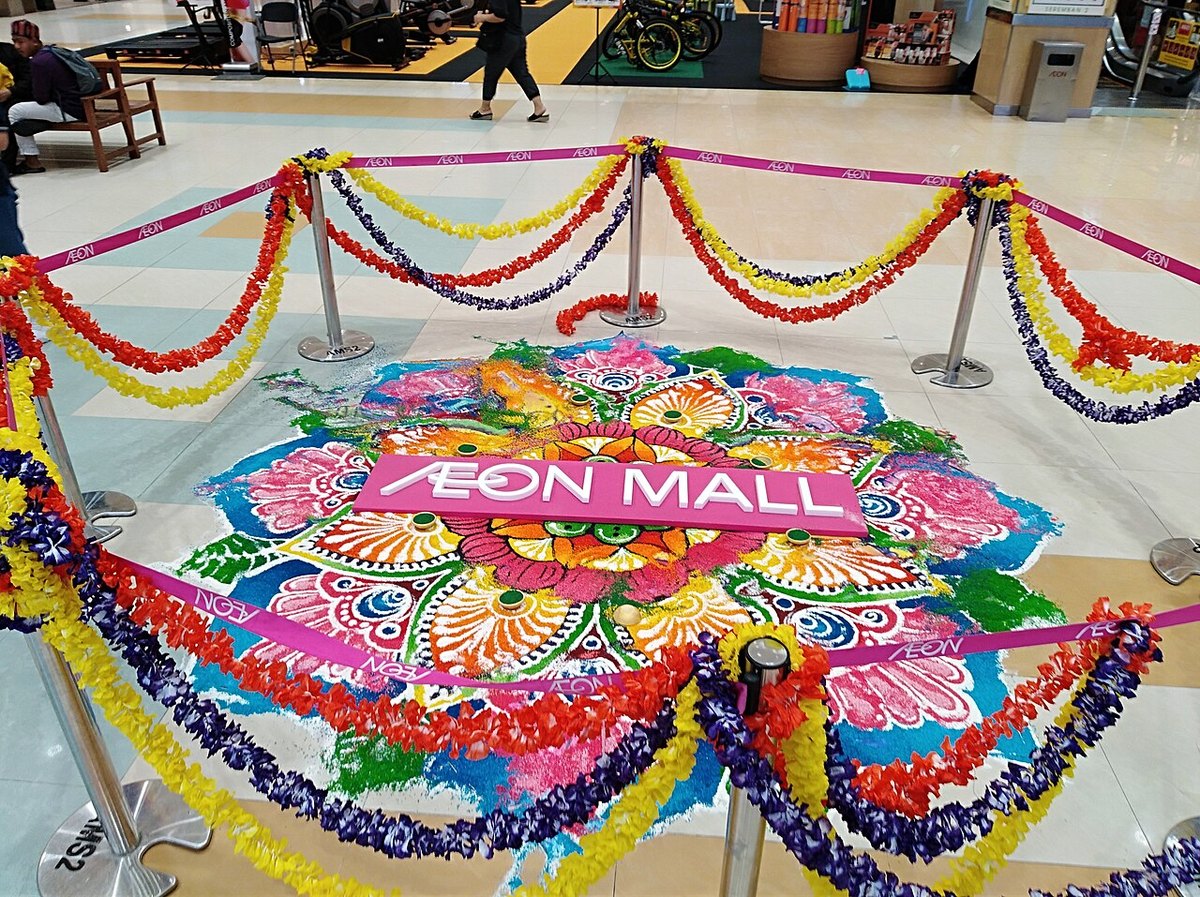
A kolam installed in a mall concourse. Mall traffic peaks before the festival, not on the public holiday itself. Photo: PulauKakatua19, Wikimedia Commons, CC BY-SA 4.0.
Couriers: the cut-offs that actually bite
No national courier shuts down for Deepavali, and no operator publishes one national cut-off. Each sets its own collection schedule, which is why the useful question is not "what is the cut-off" but "what has my account manager confirmed in writing for 6 to 10 November".
Three things are predictable. Most operators pull the last pre-holiday collection forward by a day, so a parcel handed over on Saturday 7 November may sit until Tuesday. Sunday is not a normal collection day, and Monday 9 November is a public holiday in most states, so two consecutive non-collection days are coming. And last-mile riders take the holiday too.
Your customer promise should follow the calendar, not the courier's optimism. "Ship by Thursday 5 November for delivery before Deepavali; orders after that are dispatched from Tuesday 10 November" is honest and prevents a week of angry messages. If you sell gifts with a fixed date attached, stop taking pre-festival delivery orders on Thursday evening.
Staffing and opening hours
Two separate decisions: whether you open, and who works. Decide both by Wednesday so payroll is not assembled in a panic on Sunday night.
Work on a gazetted public holiday by an employee covered by the Employment Act 1955 — broadly those earning up to RM4,000 a month, plus manual labour regardless of wage — attracts two days' wages at the ordinary rate on top of holiday pay under section 60D(3)(a)(i). Above that threshold, the contract governs. A RM2,600-a-month employee on a 26-day rate therefore costs about RM300 for a day worked on 8 or 9 November, not RM100.
Mall tenants should follow the mall's announced hours rather than inventing their own, and should ask the management office in writing what those hours are for 8 and 9 November. Street-front outlets near a bazaar should watch footfall rather than the calendar: Saturday evening trade usually justifies full staffing, Sunday afternoon often does not.

Handing over a parcel. Two non-collection days in a row mean anything handed over late on Saturday waits until Tuesday. Photo: Meanwell Packaging, Wikimedia Commons, CC BY 2.0.
The B2B side: accept the 9 and 10 November dip
If your customers are businesses rather than shoppers, this is a short week and pretending otherwise costs credibility. Purchase orders raised on Friday 6 November will not be approved on Monday in most states. Invoices dated 9 November land in an inbox nobody opens until Tuesday, and in Group B states the finance team may be thinner again on 10 November.
Pull B2B dispatches forward to Thursday and Friday, and tell regular customers now which days you are delivering. A Klang factory promised a Monday delivery and given Wednesday remembers the failure, not the public holiday.
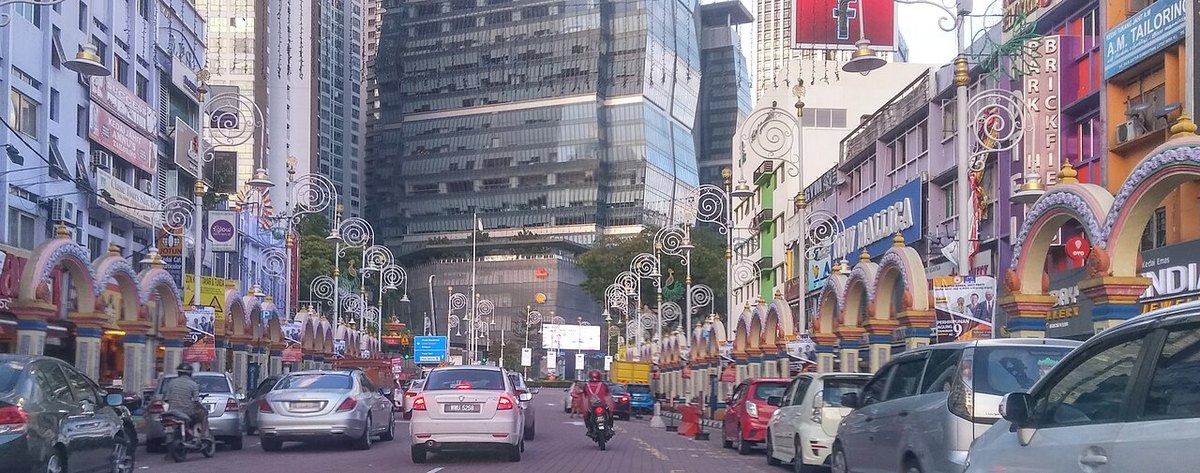
Brickfields in Kuala Lumpur, decorated for the festival. Outlets near a bazaar should staff to footfall, not to the calendar. Photo: Renek78, Wikimedia Commons, CC BY-SA 4.0.
Cash: what lands, and what waits until Tuesday
The festive money arrives before the festival, not during it. Stock was paid for in September and October; the collections happen in the final week. What matters now is the gap: weekend takings, card settlements that batch only on banking days, and supplier payments due on the 7th or the 10th.
Do three things before Friday. Keep enough change for a heavy weekend, since ATM queues near bazaars are long. Ask your card acquirer, in writing, when the 7, 8 and 9 November batches settle, because a weekend followed by a public holiday can push settlement into Tuesday or Wednesday. And check which standing payments fall on 9 or 10 November — a direct debit that fails because the account is short is a bank charge you do not need next week.
Confirm before you commit: your state's gazetted holiday list for 8 and 9 November, because the position differs by state and can change at short notice; your mall's trading hours; your courier's actual collection schedule; and what your contracts say about public holiday work for staff above the statutory wage threshold. State governments, the Labour Department, mall management and your courier are the authorities here, not this article.
Conclusion
Treat 6 to 10 November as five days with three different characters, not one long break. Friday is your last real ordering and shipping day, Saturday is the peak, Sunday is the festival, Monday is a holiday in most states but an ordinary working day in Kedah, Kelantan, Terengganu and Sarawak, and Tuesday is a school holiday your staff may need but the law does not give them.
Get three decisions written down by Wednesday: which perishable lines you stop ordering, which days you ship and what you promise customers, and who works which day at what cost. Everything else is detail.
The businesses that come out of a festive weekend well are not the ones that sold the most on Saturday. They are the ones that did not pay for stock that arrived on Monday, did not promise a delivery they could not make, and did not discover their holiday payroll on the 25th.
Frequently Asked Questions
1. Is 9 November 2026 a public holiday for private-sector staff?
In most states, yes — it is the replacement holiday for Deepavali, which falls on Sunday 8 November. It is not a holiday in Kedah, Kelantan, Terengganu (Friday–Saturday weekend, so Sunday is a working day and no substitution applies) or Sarawak, which does not gazette Deepavali. Confirm against your state gazette.
2. Does the 10 November school holiday apply to my employees?
No. The Education Ministry's additional holiday applies to schools in Group B states and the federal territories. It is not a public holiday under the Holidays Act 1951, so private employers are not obliged to close or pay holiday rates. Staff may still request leave, and in a tight labour market many will.
3. Should I open on Deepavali itself?
Only if you have paying traffic. Malls generally trade, but the shopper peak is the week before. For a street-front shop away from a bazaar, a half-day with one or two staff is usually a better trade than a full roster at holiday pay rates.
4. Will couriers collect on Saturday 7 November?
Most do, but often on a reduced schedule and with an earlier cut-off than usual, and a parcel collected on Saturday may still only be delivered on Tuesday given Sunday and the Monday holiday. Ask your account manager for the confirmed schedule in writing.
5. What does it cost if my staff work on 9 November?
For employees covered by the Employment Act 1955, two days' wages at the ordinary rate on top of the holiday pay they already receive, plus three times the hourly rate for hours beyond normal working hours. For staff above the statutory wage threshold, your contract decides — check it before you roster.
Tan Ee Ling covers seasonal trade, festive demand and consumer businesses for SMEBuddies. She works with Malaysian retailers, bazaar traders and food operators on the operating calendar that sits behind festive selling — stock cut-offs, staffing rotas and cash timing. Her focus is the unglamorous week before the festival, where most of the margin is actually won or lost.
Deepavali Weekend Trading Playbook: Stock, Couriers and Staffing