By Julie Daphne · November 2026

Clay lamps lit for Deepavali. The lamps are cheap and they store; the sweets, flowers and fresh produce beside them do not. Photo: Benoy, Wikimedia Commons, CC BY-SA 3.0.
The money arrived before the day did
Festive cash flow has a shape, and it is front-loaded. A retailer selling Deepavali goods spends in September and early October to build stock, sells hard in the two weeks before the festival, and takes most of the cash in the final week. By the morning of 8 November, revenue is largely booked and costs largely paid.
What remains is not revenue but consequence: unsold stock, staff who worked the weekend, suppliers invoicing in November for October deliveries, and corporate customers who will pay in December for what they bought in November. Today is quiet enough to look at all four honestly.
Three numbers to write down this week
| Number | How to get it | What it tells you |
|---|---|---|
| Festive revenue as a share of annual revenue | Sales from roughly 20 October to 8 November divided by last year's total sales | How exposed you are to a single fortnight, and how much of the year's profit has already happened |
| Value of unsold festive stock at cost | Physical count of Deepavali-specific lines, valued at what you paid, not what you hoped to charge | How much cash is sitting on a shelf waiting to be marked down |
| Expected cash balance on 31 January 2027 | Opening balance plus expected collections, minus rent, payroll, statutory contributions and supplier payments for December and January | Whether the next three months are funded, and whether you need to act in November rather than January |
Write them on one page and date it. The purpose is not precision; it is to replace a feeling with a figure. Most owners who do this find the festive share of revenue is higher than they assumed, which makes the post-festival months more fragile than they feel in November.
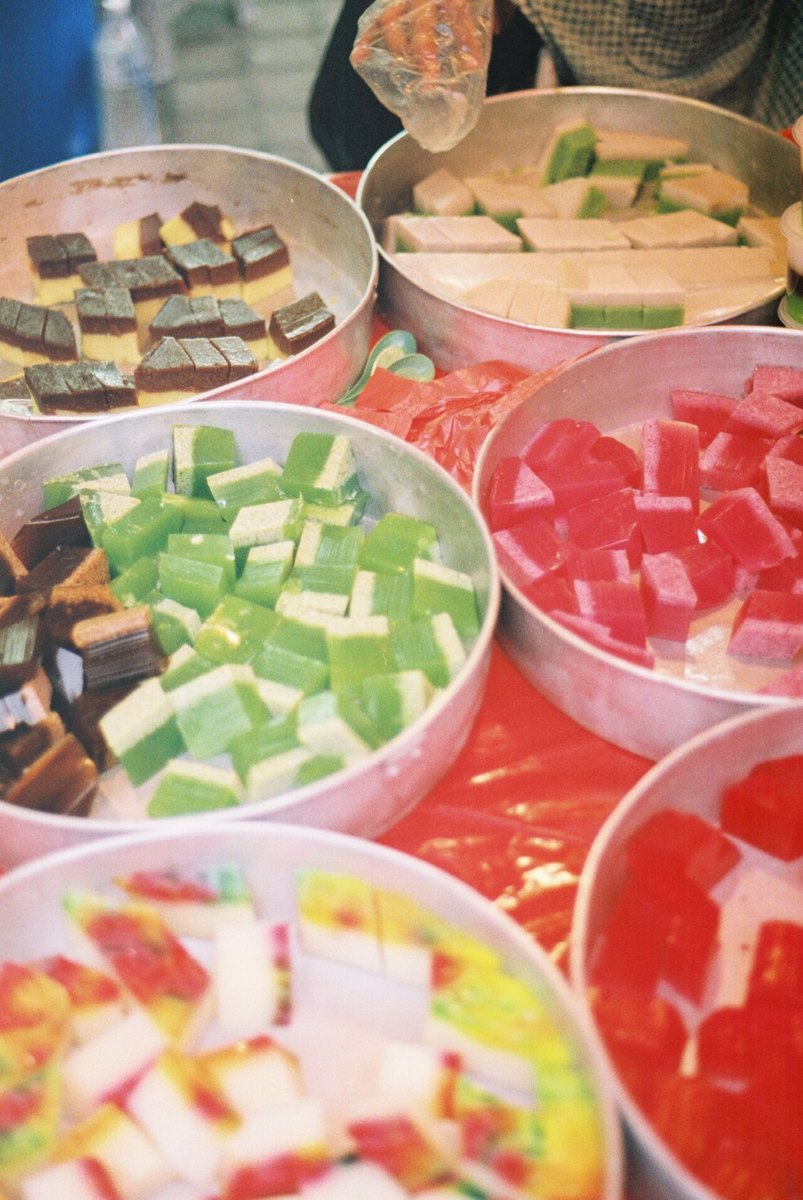
Trays of sweets at a Malaysian stall. Fresh festive stock is the line that turns from profit into loss fastest. Photo: Thomas Abbs, Wikimedia Commons, CC BY 2.0.
The trader who sold through, and the trader holding stock
Two retailers had the same Deepavali. The first ordered to a sell-through plan: counted what sold last year, ordered 110 per cent of it, and stopped replenishing on the Thursday. The second ordered on optimism in September, when the bazaar looked busy and the supplier offered a volume discount.
By today, the first has cash and an empty shelf. The second has cash too — less of it — and a storeroom of oil lamps, gift boxes and textiles that will be marked down in the next three weeks or stored until next year. Storage is not free: it is cash tied up for twelve months, plus the risk that next year's designs differ.
The rule that survives contact with reality is simple: sell-through discipline on perishables, cautious volumes on seasonal designs, and a written markdown date agreed before the stock is ordered. If nothing is marked down by 20 November, desperation decides the discount in January instead of you in November.
Corporate customers pay in December, or later
The B2B side of a festive season has a longer tail than the retail side. Corporate gifting orders, catering for office events and hampers for clients are usually invoiced in November and paid on 30- or 60-day terms, which means the cash lands in December or January — after the staff costs, the rent and the supplier payments for the stock you bought to serve them.
Do not wait for the due date to find out whether the invoice is in the approvals queue. A short call this week confirming receipt and asking for the payment run date is worth more than a reminder letter in December. If a corporate customer is new this year, ask now whether they need a purchase order number on the invoice; a missing PO is the commonest reason a clean invoice sits unpaid for a month.
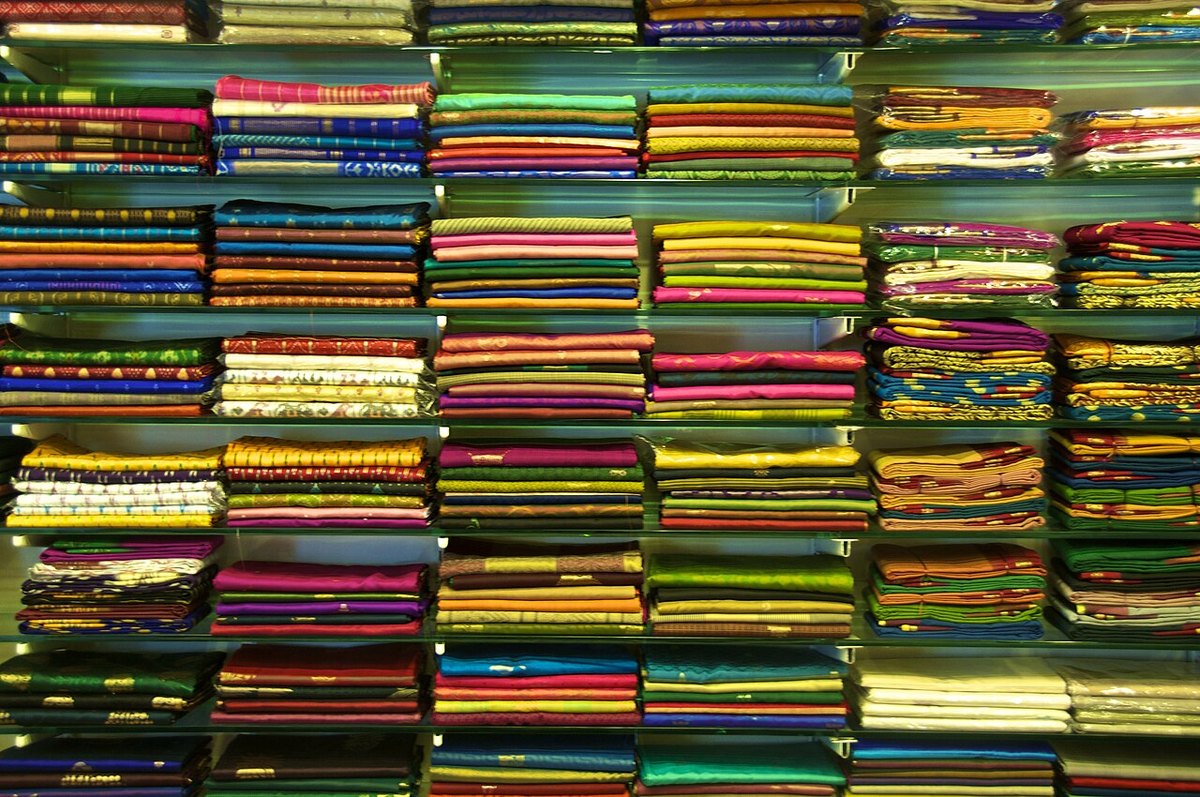
Stacked textiles. Fabric stores over the year; festive designs often do not, which is why a written markdown date matters more than a discount decision made in January. Photo: screaming_monkey, Wikimedia Commons, CC BY-SA 2.0.
Staff costs across a four-day break
For a small retailer, the four days from Saturday to Tuesday are the most expensive trading days of the quarter. Work on a public holiday by an employee covered by the Employment Act 1955 costs two days' wages at the ordinary rate on top of holiday pay under section 60D(3)(a)(i); staff above the RM4,000 threshold fall back on their contracts.
The cash effect is timing as much as amount. Those wages land in the November payroll, before most December corporate collections arrive — so check the November buffer this week, not next.
The businesses that face the festival directly
Sweets and catering, textiles and sarees, oil lamps and kolam materials, beauty services and hospitality all share one pattern: revenue concentrated into ten days, with a sharp drop afterwards. The drop is not a failure; it is the shape of the trade.
The operators who handle it well do three things. They give festive customers a reason to return — a booking for a family function, a loyalty list, a service appointment in December — rather than treating the festival as a one-off transaction. They keep fixed costs small enough to survive eight quiet weeks. And they use those weeks to prepare for the next peak, which for many of these trades is Christmas and then Chinese New Year.
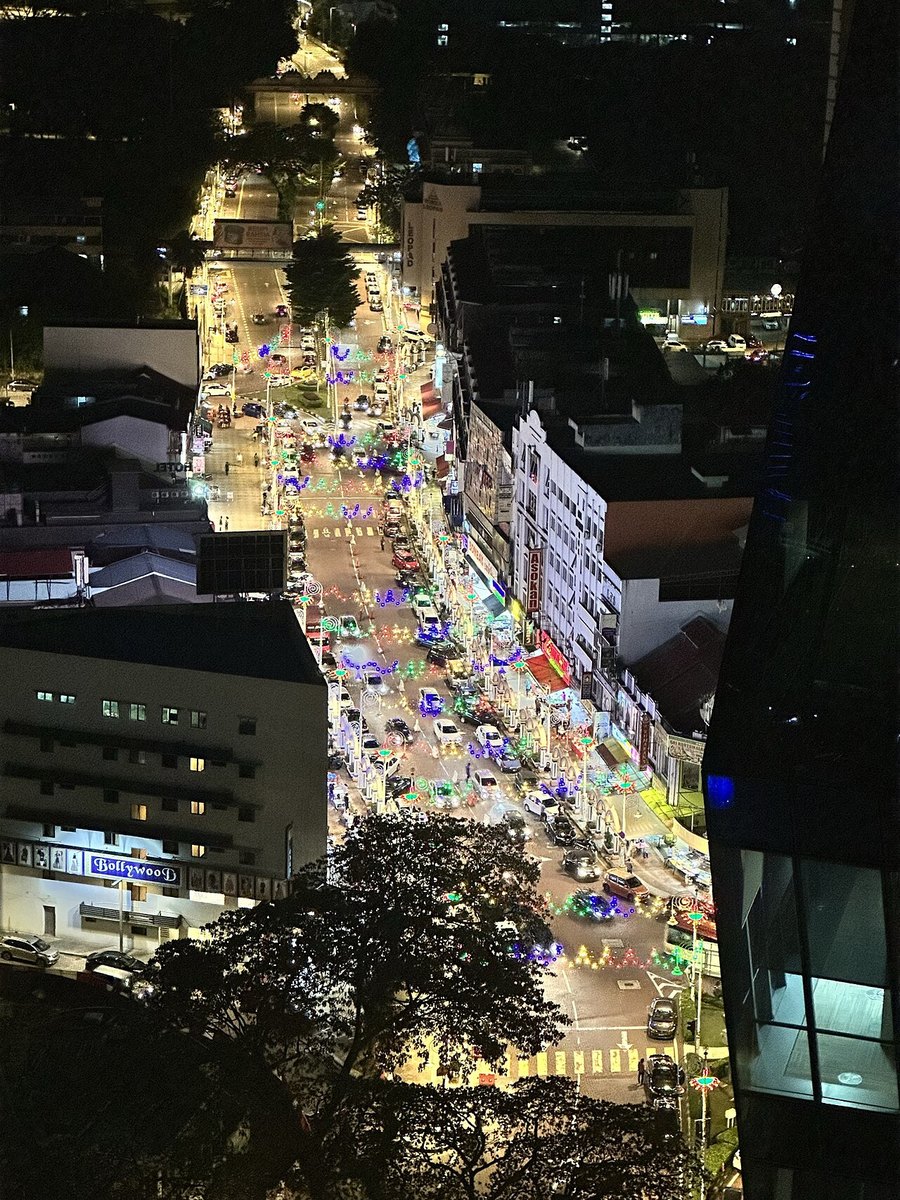
A Kuala Lumpur street lit for Deepavali. The lights come down within weeks; the stock and the invoices do not. Photo: Slyronit, Wikimedia Commons, CC BY-SA 4.0.
January is decided in November
The January cash problem is almost always created in November by three quiet decisions: not marking down, not chasing corporate receivables early, and not checking the December payroll before it is committed. None of them feels urgent during a festive week. All of them are cheap to fix now and expensive to fix in the first week of January, when suppliers want to be paid and customers want credit.
One official reference point is worth watching rather than guessing at: the Department of Statistics Malaysia publishes a monthly distributive trade index covering retail and wholesale sales, released with a lag. It tells you what happened to national demand, not to your street — which is why the three numbers on your own page matter more.
Confirm before you rely on this: your state's gazetted holiday position for 8 and 9 November, since Sarawak does not observe Deepavali and Kedah, Kelantan and Terengganu do not gazette a replacement day; your own employment contracts for staff above the statutory wage threshold; and your bank's settlement timing for card takings over a weekend followed by a public holiday. State governments, the Labour Department and your bank are the authorities; the spending patterns here are observation, not official statistics.
Conclusion
Deepavali is the day the cash has already been made or missed. The useful work today is not another promotion — it is writing down three numbers: festive revenue as a share of the year, the cost value of unsold festive stock, and the cash you expect on 31 January 2027. Those figures tell you whether to mark down this week, chase a corporate customer this week, or do neither.
Then protect the downside deliberately. Agree the markdown date. Confirm the payment run date with your two largest corporate customers. Check that November payroll is funded before the December collections arrive. Festive trading rewards preparation twice: once when the customers arrive, and again in January when the bills do.
Frequently Asked Questions
1. Should I discount unsold Deepavali stock now or wait?
Discount now, on a written schedule with a date. Festive-specific stock loses value quickly once the festival passes, and the January discount is always deeper than the November one. Storage carries a cost too: cash tied up for a year and designs that may not sell next season.
2. Why is my cash tight when festive sales were strong?
Because the cash cycle is longer than the sales cycle. Stock was paid for in September and October, holiday wages fall due in the November payroll, and corporate customers pay in December or January. Strong revenue and a tight bank balance can both be true in the same week.
3. How much should festive revenue be as a share of annual revenue?
There is no correct figure — it depends on the trade. What matters is knowing yours, because a business that earns a third of its revenue in one fortnight has a very different risk profile from one that earns a tenth. Compare this year against last year and note the direction.
4. Do I have to pay holiday rates today?
If your staff are covered by the Employment Act 1955 — broadly those earning up to RM4,000 a month, plus manual labour at any wage — work on a gazetted public holiday attracts two days' wages on top of holiday pay. Above the threshold, the contract governs. Sarawak does not observe Deepavali.
5. What is the single most useful thing to do this week?
Forecast the cash balance at 31 January 2027, then work backwards. If the forecast is thin, the fixes — markdowns, earlier collections, deferring a purchase — are all still available in November. By January most of them are not.
Julie Daphne covers tourism, hospitality, retail and consumer businesses for SMEBuddies. She writes about the operating realities behind festive trading — stock timing, staffing costs and the cash cycle that runs months behind the shop counter. Her work focuses on businesses that earn their year in a few short peaks, and on the quiet weeks that decide whether those peaks pay off.
Deepavali Day: What the Festival Actually Does to a Small Business's Cash