By Low Kok Ping · September 2026
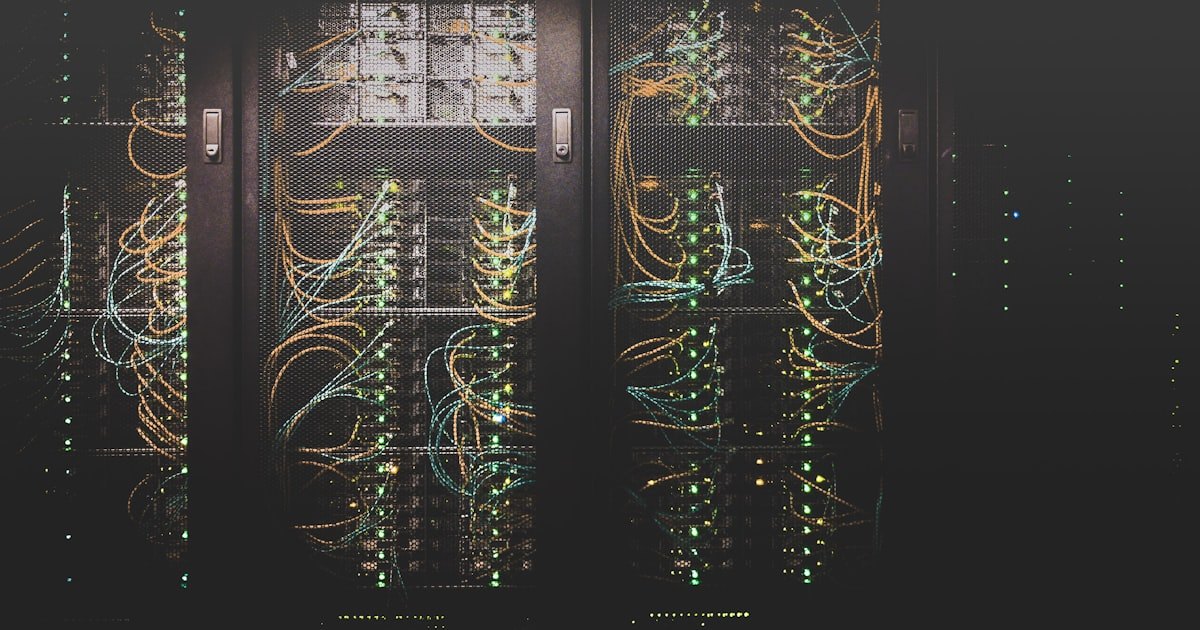
Bundled network cabling feeding equipment racks — the physical layer that a local supply chain builds, maintains and eventually replaces.
From capacity to capability
MIDA's media release of 14 September 2026 set out the next phase of Malaysia's data centre strategy in unusually direct language: the goal is an ecosystem that is "competitive, innovative and sustainable", with the value landing on Malaysian businesses and workers, not only on investors. MIDA reported RM385.7 billion in data-centre-related investment recorded from 2021 through the first half of 2026. Its business-matching session at Data Centre Nexus (DCN) 2026 placed 14 data centre companies with 51 Malaysian vendors, up from eight and 17 a year earlier. MIDA chairman Tengku Datuk Seri Zafrul Tengku Abdul Aziz framed the standard: attracting investment "was only ever the first step", and the spillover must be "real and quantifiable".
Four pillars shaped the programme. Only one is directly relevant to a supplier of your size: Local Ecosystem and Industrial Spillovers, covering domestic supply chains, skilled jobs and capability-building across the value chain. The other three are policy for the operators.
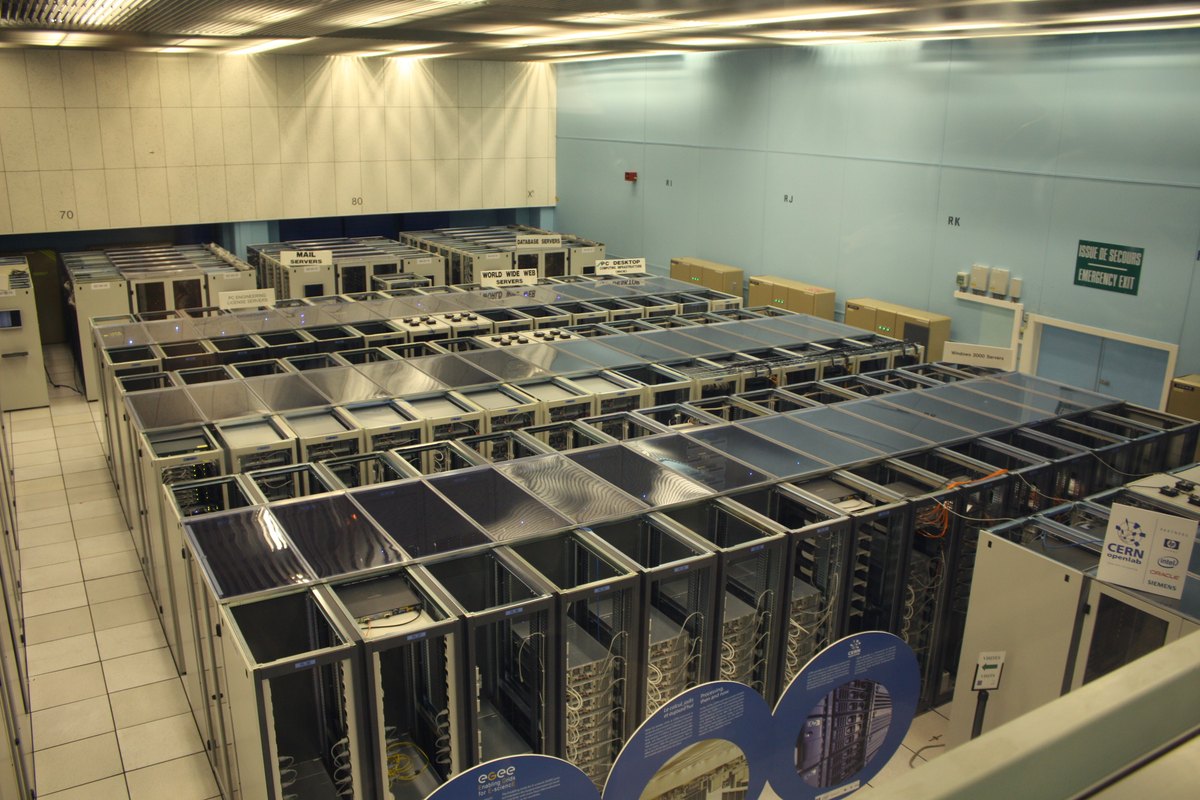
Equipment racks inside a data centre hall — the kind of facility Malaysia has been attracting in volume. Photo: Hugovanmeijeren / Wikimedia Commons (CC BY-SA 3.0).
The policy debate has already moved past construction. MBSB Investment Bank's Budget 2027 preview on 11 September 2026 argued the AI agenda should shift beyond data centre construction towards enterprise adoption, domestic intellectual property, cybersecurity and workforce productivity, and floated matching grants or tax deductions for MSMEs adopting AI and automation. The Ministry of Finance's Pre-Budget Statement 2027 ties data centre incentives to energy and water efficiency. On 21 September 2026, Juwai IQI global chief economist Shan Saeed argued Malaysia is well positioned to take ASEAN's second wave of AI computing capacity as land, power and water constraints push investment out of Singapore.
Those signals point one way: the buildings are funded, and the money now follows whoever can service what sits inside them.
The five service lines that are buyable
MIDA describes the ecosystem as spanning engineering, construction, electrical systems, cooling, telecommunications, cybersecurity and logistics. Most marquee equipment is imported; the work that stays local is more ordinary and far more recurring.
1. Construction and fit-out subcontracting
Civil works, raised floors, partitions, fire stopping, cable containment, cable trays, doors and joinery. Sell to the main contractor holding the campus package, not the hyperscaler.
2. Electrical and cooling maintenance
MIDA cited a projection that data centre electricity demand could exceed 5,000 megawatts by 2035, and government has tightened Power Usage Effectiveness (PUE) and Water Usage Effectiveness (WUE) requirements alongside renewable programmes including CGPP, LSS and CRESS. Plant running at that intensity needs scheduled maintenance, spares, chiller and pump servicing, thermal imaging and 24/7 response — signed once, renewed for years.

A laptop and papers on a desk: most data centre packages are won on documentation — registrations, method statements and reference projects.
3. Facilities and security staffing
Cleaning, landscaping, pest control, waste handling, manned guarding, access control and CCTV monitoring — bought as annual contracts with headcount schedules and service-level penalties.
4. Site services for the workforce
Catering and canteen operations, laundry, staff transport and material handling. Campuses run shifts around the clock, so demand is predictable and daily.
5. Compliance and documentation
Commissioning records, as-built drawings, energy and water reporting, cybersecurity support and audit preparation. Underrated: it rewards discipline and documentation rather than capital.
| Service line | Who actually buys it | What gets you shortlisted |
|---|---|---|
| Fit-out subcontracting | Tier-one main contractors | CIDB registration at grade, safety record, ability to bond |
| Electrical & cooling maintenance | Operators, colocation providers | Energy Commission licensing, certified technicians, SLA coverage |
| Facilities & security | Facility management contractors | Headcount depth, insurance, clean police/HR records |
| Site services | Campus facility managers | Shift-ready capacity, halal certification, hygiene audits |
| Compliance & documentation | EPC contractors, operators | Reporting templates, audit experience, PDPA awareness |
The constraints nobody puts in the brochure
Cash and capital. Data centre contracts arrive with performance bonds, retention of five to ten per cent and payment terms stretching to 60 or 90 days. A subcontractor who funds a RM500,000 package on a revolving credit facility can lose the margin to interest before the final claim is certified.
Certification. Construction work requires Companies Commission of Malaysia and Construction Industry Development Board (CIDB) registration at the right grade and code, plus licensed contractor status under the Energy Commission for electrical work. ISO 9001, ISO 45001 and ISO 14001 certification is commonly requested before you are allowed on site, along with a safety induction and an insurance schedule naming the operator as an additional insured.

Colleagues working together on laptops: capability and headcount, not price alone, decide which Malaysian firms get onto approved vendor lists.
Contract structures that favour large vendors. Contractors bundle packages to reduce the interfaces they manage, and operators prefer vendors already used across several countries. Tengku Zafrul said in June 2026 that Malaysia is encouraging local participation and imposing conditions of up to 40 per cent local content. That creates demand; it does not remove the requirement to be qualified, insured and referenceable.
Scale and talent. MIDA flagged the talent pipeline as a constraint and pointed to the AWS re/Start programme as a model worth studying. If a competitor can field 40 certified technicians across two campuses and you can field four, the package is not winnable on price.
How to get on the vendor list
1. Finish the paperwork before the opportunity appears. Tenders close in weeks. Everything that takes months — CIDB grading, Energy Commission licensing, ISO certification, insurance limits — has to exist before the invitation arrives.
2. Register through structured channels. MIDA's Investment Coordination and Collaboration Office is a gateway to incentives, financing and capability programmes. The MIDA Supply Chain Programme connects anchor investors with qualified Malaysian suppliers, and the Enterprise Growth Platform supports companies scaling into anchor supply chains.
3. Approach tier-one contractors and equipment OEMs first. Operators rarely contract a small firm directly for site work. The route in is as a nominated subcontractor or an authorised service partner for a chiller, UPS or switchgear brand.
4. Build one reference project you are allowed to name. One documented scope with photographs, a sign-off letter and measured outcomes outperforms a capability statement in any vendor questionnaire.
5. Answer tenders with a compliance matrix. Mirror each requirement, state where you meet it, and attach the certificate. Procurement teams score what they can verify.
6. Convert the project into a maintenance contract. Project revenue is lumpy; preventive maintenance and spares are the annuity that funds the next bond.
Conclusion
Malaysia's data centre story has entered its second act. The first was about landing RM385.7 billion in related investment between 2021 and the first half of 2026; the second, on MIDA's own framing, is about whether that capacity produces measurable local value — and the agency has publicly set itself up to be judged on it.
For an SME, the realistic opportunity is not on stage at a conference. It is in the maintenance schedule, the canteen roster, the containment subcontract and the commissioning file: unglamorous, recurring, and purchasable from a company with the right registrations and one reference project.
Start with the certificate you do not yet have and the client you have not yet called. The capacity is already being built.
Frequently Asked Questions
1. Can a small Malaysian company contract directly with a hyperscaler?
Rarely for site work. Operators usually buy through tier-one main contractors, facility management firms and nominated equipment vendors. Entering as a subcontractor, service partner or approved supplier to those intermediaries is the practical route, and it is also how most local firms build the track record that later qualifies them for direct work.
2. Which service line needs the least capital?
Compliance and documentation support — commissioning records, as-built drawings, energy and water reporting — needs skilled people rather than equipment or bonds. Facilities services such as cleaning, landscaping and catering sit next in line, since they require staffing and insurance instead of project financing.
3. What does the 40 per cent local content condition actually mean for SMEs?
MIDA has said Malaysia is encouraging greater local participation and imposing conditions of up to 40 per cent local content in data centre projects. Those conditions create demand for Malaysian suppliers, but they do not select one. Qualification, certification and a documented reference project still decide who gets the purchase order.
4. Where should an SME start if it has no data centre experience at all?
Choose one service line, meet its registration requirements in full, and take a small non-critical package from a subcontractor rather than a campus-scale one from an operator. Regulators and standards bodies in your specific trade, plus MIDA's supply chain and vendor development programmes, are the two places to register your interest.
Low Kok Ping covers infrastructure, industrial policy and the Malaysian economy for SMEBuddies. He has spent more than a decade tracking how national investment cycles — from semiconductors to data centres — translate into contracts, skills and revenue for smaller Malaysian firms. His reporting focuses on the gap between headline investment figures and the vendor lists where that money is actually spent. He writes practical guides for SMEBuddies readers who want to bid for work in regulated and capital-intensive industries.
Data Centres Were the Headline. Now Comes the SME Spillover Question