The Great Office Reset of 2024–2026
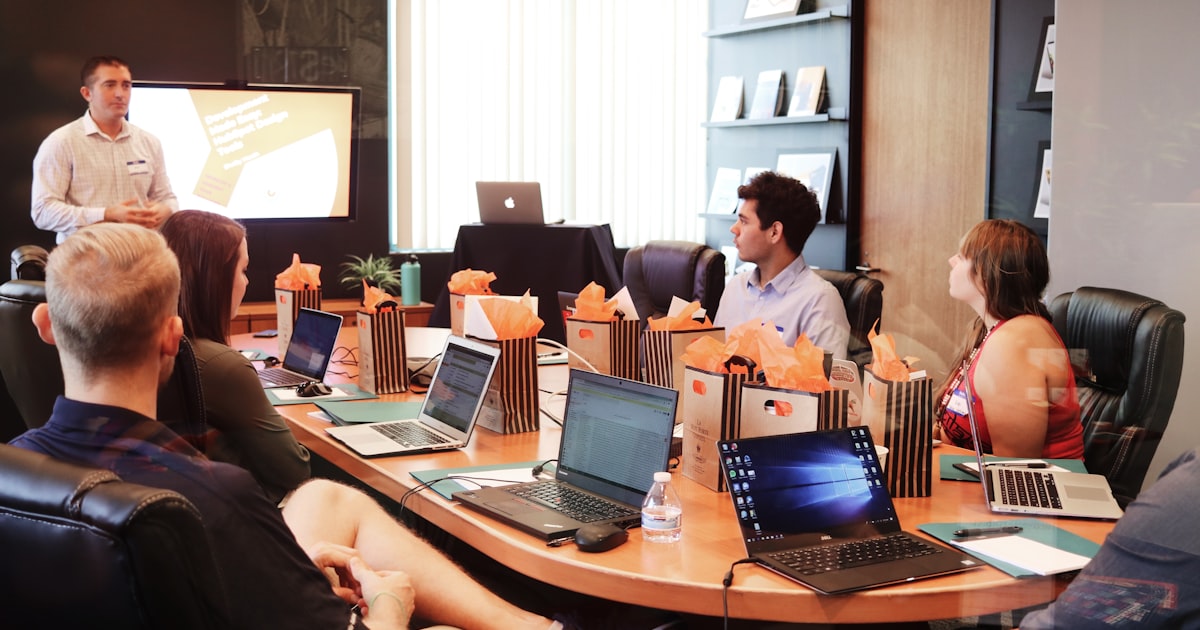
Three years after Malaysia's full reopening, the commercial real estate market has settled into a new equilibrium. Traditional office rents in prime KL locations have stabilised at RM4.50–RM7.00 per square foot — roughly 15% lower than pre-pandemic peaks. Meanwhile, co-working operators like Common Ground, WORQ, and Colony have expanded aggressively, now offering hot desks from RM450/month and dedicated desks from RM900/month across more than 40 locations nationwide.
For Malaysian SMEs, the choice is no longer straightforward. The decision hinges on your team size, growth trajectory, industry norms, and company culture. Let's break down the key factors you need to consider before signing either a lease or a membership agreement.
Cost Comparison: What Are You Really Paying For?
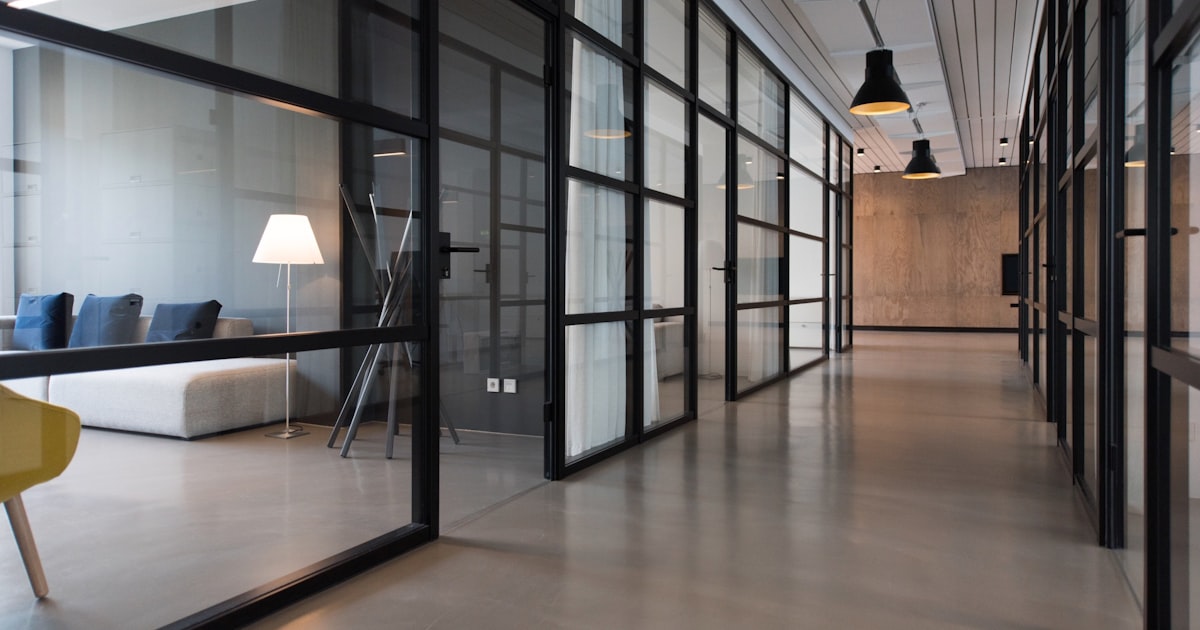
At first glance, co-working looks far cheaper. A 10-person SME in a traditional office in Bangsar or Damansara might pay RM5,500–RM8,000/month in rent alone, plus another RM1,500–RM3,000 for utilities, internet, cleaning, pantry supplies, and maintenance. The same team in a co-working space with a dedicated 10-seat private office runs RM4,000–RM6,500/month — and that's all-inclusive.
But the traditional office offers something co-working doesn't: fixed long-term costs. A 3-year lease locks in your rental rate, while co-working membership fees are subject to annual increases of 5–10%. Over a 5-year horizon, a traditional office may actually work out cheaper — especially for teams of 20 or more that would require multiple co-working private suites.
| Cost Factor | Traditional Office | Co-Working Space |
|---|---|---|
| Monthly rent (10 pax) | RM5,500 – RM8,000 | RM4,000 – RM6,500 |
| Internet & IT | RM500 – RM1,200 | Included |
| Utilities & cleaning | RM800 – RM1,500 | Included |
| Pantry & supplies | RM300 – RM600 | Included |
| Fit-out / renovation | RM30,000 – RM80,000 (one-off) | RM0 |
| Contract flexibility | 3 years (typical) | Monthly / quarterly |
Culture and Productivity: The Hidden Factors
Office culture is arguably more important than the cost sheet. Co-working spaces thrive on energy, serendipitous networking, and flexibility. Your team might bump into potential clients at a coffee bar, attend free workshops, or enjoy events that foster innovation. For creative agencies, tech startups, and consulting firms, that buzz can be a genuine productivity multiplier.
But not all SMEs benefit from open, shared environments. Teams handling sensitive client data (accounting firms, legal practices, HR consultancies) need private, secure spaces where conversations aren't overheard and documents aren't visible to neighbours. Traditional offices give you complete control over your environment: noise levels, air-conditioning temperature, security protocols, and — crucially — branding. Your reception area, your logo, your rules.
Location and Accessibility for Malaysian SMEs
Co-working operators have strategically clustered in transit-oriented developments: Common Ground at The Exchange TRX, WORQ at KL Sentral, and Colony at Bangsar South put you steps away from MRT and LRT stations. For SMEs whose teams commute from across the Klang Valley, this transit accessibility is a major recruitment and retention tool.
Traditional offices, by contrast, often sit in older commercial hubs like Jalan Ampang, Jalan Sultan Ismail, or suburban business parks. These locations may have lower rent but carry higher transport costs for employees and fewer lunch-and-retail amenities. However, for SMEs rooted in specific communities — a logistics company in Port Klang, a manufacturing firm in Shah Alam — a traditional office in your industry hub is non-negotiable.

Scalability: Growing Without the Pain
One of the strongest arguments for co-working is scalability. Hire three new people next month? Just add three desks. Downsize from 12 to 8? Reduce your membership tier. For high-growth SMEs with an uncertain hiring trajectory, this flexibility eliminates the headache of breaking a lease or subletting excess space.
Traditional offices punish both growth and contraction. Expanding means either cramming more people into the same space (awkward and unproductive) or negotiating an early lease termination to move — which typically costs 3–6 months' rent. On the flip side, if you're confident in your headcount projections, a traditional office gives you room to grow within your own four walls without per-desk price hikes.
Conclusion
There is no universal "right answer" for SMEs in 2026. Co-working wins on flexibility, all-inclusive pricing, and networking opportunities — ideal for small startups, creative teams, and businesses under 15 people. Traditional offices win on stability, privacy, branding control, and long-term cost efficiency — better for established SMEs, professional services firms, and teams of 20 or more. Our recommendation: start in co-working, graduate to a traditional lease when your team crosses the 15-person mark and you have 18 months of stable headcount history. Some SMEs even run a hybrid model — a small permanent office for core operations and co-working memberships for satellite staff.
Frequently Asked Questions
Yes, most co-working operators in Malaysia offer virtual office packages with address registration services. However, SSM has tightened rules — ensure your co-working space is SSM-compliant for business address registration. Some landlords also restrict certain business types (e.g., F&B manufacturing) from using co-working addresses.
The "best" depends on your location preference. Common Ground TRX is premium and corporate-friendly; WORQ KL Sentral is transit-accessible and startup-focused; Colony Bangsar offers a creative vibe; Mutiara Damansara's Spaces is good for professional services. Most offer day passes — try a few before committing.
Absolutely. With office vacancy rates hovering around 25% in some KL submarkets, landlords are open to negotiating: shorter lock-in periods (1+1 years instead of 3+3), rent-free fit-out periods (2–4 months), and tenant improvement allowances. Always negotiate through a registered real estate negotiator who specialises in commercial leases.
Many mid-sized SMEs (15–40 people) adopt a hybrid approach: a smaller traditional office for the core team and co-working hot desk memberships for field staff, part-timers, and remote employees. This balances cost control with flexibility, but requires disciplined space management to avoid paying for unused desks on both sides.
Co-Working vs Traditional Office: What's Right for Your SME in 2026?