By Ahmad Firdaus · September 2026
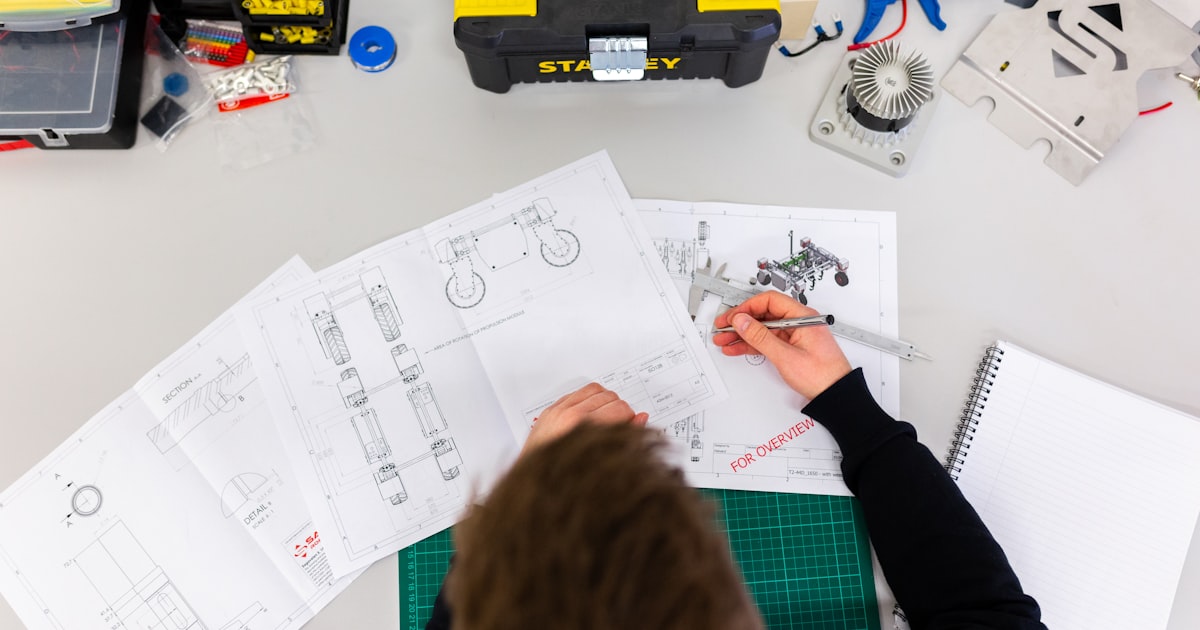
Chinese CNC and production machinery is increasingly common on Malaysian SME factory floors.
Why Chinese Machinery Is Everywhere Now
Walk through almost any SME factory in Malaysia today and you will see a growing share of Chinese brand-name equipment — serious machines with local distributors, spare-parts stock and service teams. The Malaysian Reserve reported in August 2026 on how Chinese-made machinery is reshaping how SMEs equip their factories.
The driver is simple economics. For many categories — CNC lathes, packaging lines, injection moulding, food processing — a Chinese machine costs 30–50% less than the European, Japanese or Korean equivalent. For a manufacturer watching every sen of capex, that difference decides whether you automate at all.
Cost Versus Quality: The Honest Trade-Off
The discount exists for a reason, and smart buyers respect it. Quality has improved dramatically, but there is a wide spread: established exporters with CE and ISO certification, and cheaper unknowns that may struggle with tolerances, software and spare parts.
The checklist: ask for CE and ISO documentation, demand references from other Malaysian factories using the same model, and visit or video-call the factory floor. Paying 15% more for a known brand with a local distributor beats saving 15% on an orphan machine nobody can service.
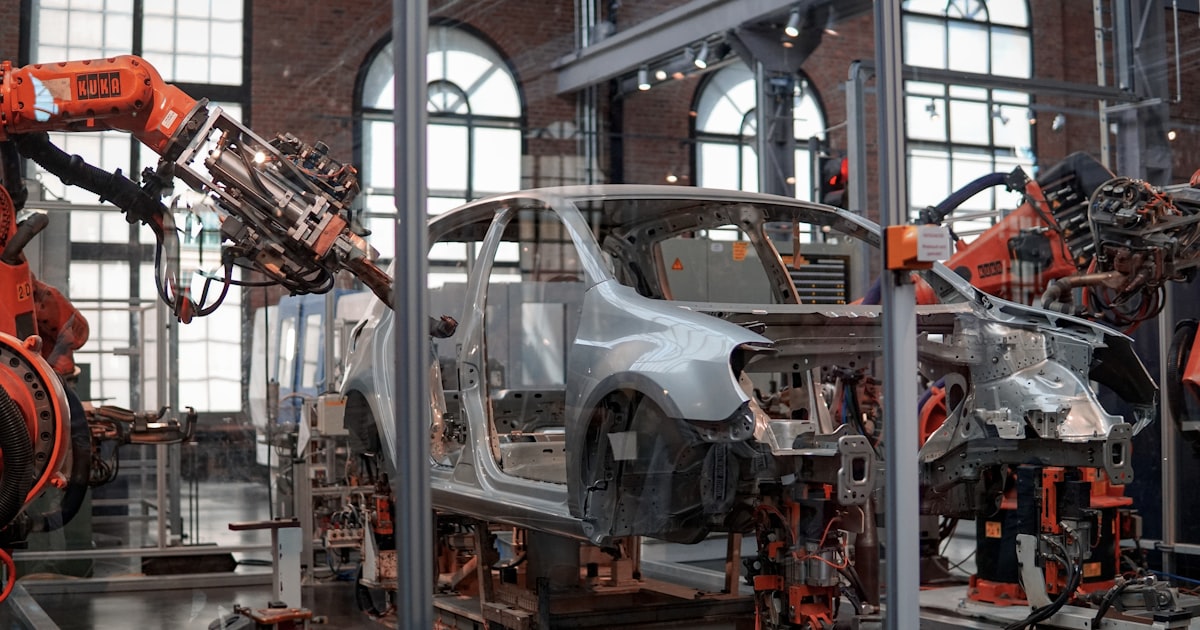
A packaging line is one of the most common first automation purchases for SMEs.
Automation ROI: Do the Maths Before You Fall in Love
The romantic part is the machine; the practical part is the payback. An RM80,000 packaging line replaces three workers at roughly RM2,400 per month each in total employment cost — RM7,200 saved a month, a payback of about 11 months before maintenance, training and downtime.
The rule of thumb: payback under 24 months is worth serious consideration; 24–36 months is borderline; beyond that, defer. Include the soft benefits — consistency, fewer rejects — but be honest about tooling, spare parts, training and the teething weeks while your team learns the machine.
The Import Process, Step by Step
Buying from China is not hard, but it has steps, and each has a cost:
- Confirm your HS code and duties — most production machinery enters at 0–5%, and manufacturing machinery is generally exempt from SST.
- Get quotes on CIF (cost, insurance, freight) terms so the price is comparable.
- Use a licensed customs agent — clearance fees typically run RM1,500–5,000.
- Arrange shipping (sea for large machines, air for urgent spares) and insurance.
- Plan installation, commissioning and training — some suppliers bundle these, others charge separately.
Budget 10–15% on top for freight, duty, clearance and installation.
Budget 10–15% above the sticker price for freight, duties and clearance.
After-Sales Support: The Part Everyone Forgets
A machine is only as good as the day it breaks. Chinese suppliers typically offer 12–24 month warranties, and reputable ones provide remote diagnostics — engineers fix settings remotely.
Before you sign, confirm a local distributor or service agent, spare parts availability or fast air-freight resupply, and the annual service contract cost (often RM3,000–10,000). Buy critical spares — sensors, belts, boards — with the machine; they are cheap then and expensive when the line is down.
Financing Options
Machinery is financeable at reasonable rates: leasing and hire purchase, SME loans under Bank Negara's funds, SJPP-guaranteed loans, and — increasingly — vendor financing from Chinese suppliers, who may accept 30–50% down with the balance on delivery. Compare effective rates (typically 4–7% per annum) and check whether the machine can be collateral.
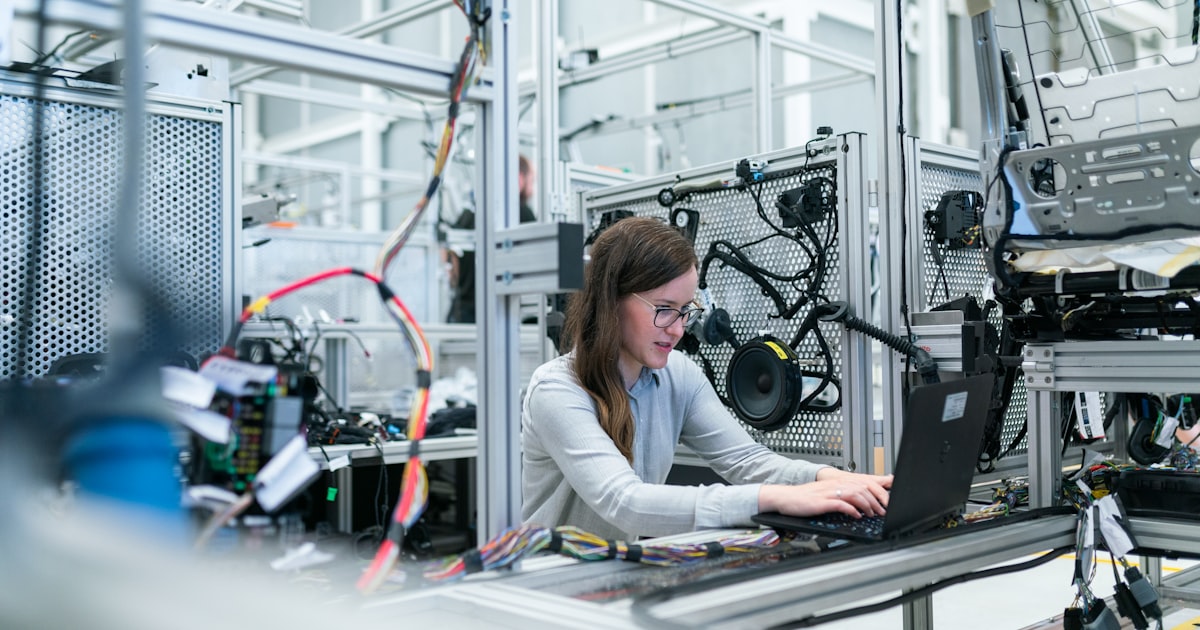
Local service support and spare parts availability decide whether a bargain stays a bargain.
When It Makes Sense — and When It Doesn't
Buy when: you have a high-volume, repeatable process; skilled labour is scarce; you can train a team to run the machine; payback is under 24 months; and local service exists.
Don't buy when: the machine will run a few hours a week, the work is customised one-off jobs, there is no local support, or the purchase would stretch cash flow so thin that a slow month becomes a crisis.
Conclusion
Chinese machinery has moved from risky shortcut to legitimate option in the Malaysian SME playbook — the price gap is real and the support ecosystem has matured. The difference between a bargain and a liability is process: do the payback maths honestly, check CE and ISO paperwork, insist on local support and spare parts, budget 10–15% extra, and finance without strangling your cash flow. Bought that way, a Chinese machine is not a compromise — it is a competitive advantage.
Frequently Asked Questions
1. Is Chinese-made machinery reliable?
Quality varies widely, but established exporters with CE certification and ISO-certified factories are now competitive with Western and Japanese brands in many applications. Check references, verify certifications, and prefer models with local distributors.
2. What are the hidden costs of importing machinery?
Budget 10–15% above the machine price for freight, insurance, import duty (usually 0–5%), customs agent fees of RM1,500–5,000, installation and the first batch of critical spare parts.
3. Do I need SIRIM approval to import machinery?
Most production machinery does not require SIRIM certification, but some electrical and industrial equipment must comply with Suruhanjaya Tenaga requirements. Ask your customs agent to confirm the HS code and approvals before you commit.
4. How can I finance a machinery purchase?
Equipment leasing and hire purchase, SME loans under Bank Negara funds, SJPP-guaranteed loans, and supplier financing — Chinese vendors often accept 30–50% down with the balance on delivery. Compare effective rates of 4–7% per annum.
5. When should I NOT buy Chinese machinery?
Avoid buying when utilisation is low, the work is customised one-offs, no local support exists, or the purchase would dangerously strain cash flow. A cheap machine that sits idle costs more than one you rent or defer.
Ahmad Firdaus is a government policy, grants and business regulations writer for SMEBuddies, where he helps Malaysian small business owners decode budgets, tax rules and regulatory changes. He previously worked in corporate compliance and grant administration, giving him first-hand experience of how government schemes actually work on the ground. His articles translate policy announcements into checklists that owners can act on. He is a firm believer that the best policy support is the kind a small business can actually claim without a lawyer.
China-Made Machinery Is Reshaping Malaysia's SME Playbook: What Smart Manufacturers Are Doing