By Ahmad Firdaus · November 2026
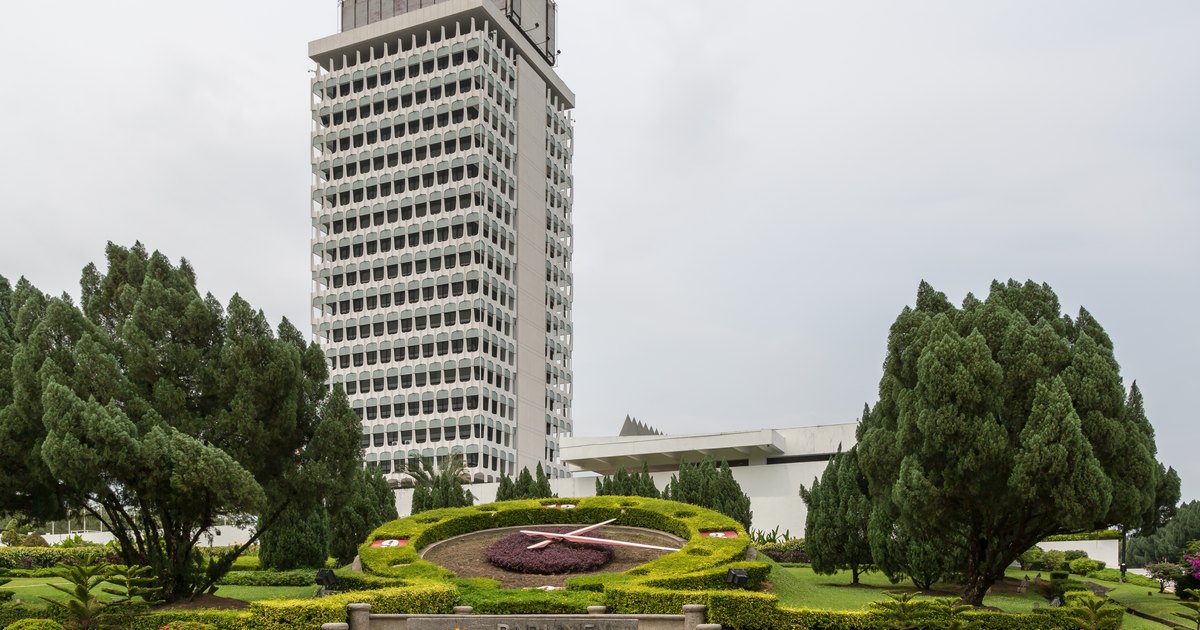
The Malaysian Parliament building in Kuala Lumpur. The Supply Bill 2027 passed its policy stage there on 29 October 2026 and now goes to committee stage. Photo: Wikimedia Commons / CC BY-SA 3.0
What the House actually passed on 29 October
The Supply Bill 2027 cleared its policy stage by voice vote, with more members voting in favour, after a debate that opened on 12 October and closed with Finance Minister II Amir Hamzah Azizan's winding-up (Bernama, 29 October 2026; Free Malaysia Today, same day). No division was called, so there is no vote count to read anything into.
It carries RM459.8 billion in federal spending — RM376.8 billion operating, RM83 billion development — plus RM25 billion from government-linked investment companies, RM11 billion in public-private investment and RM14.2 billion from statutory bodies and MoF Inc companies, for RM510 billion overall (Bernama). The fifth MADANI budget is themed "Reaching for the Skies, While Anchored on Our Values".
For an SME owner the vote changes nothing you can bank this week. What it does is start a clock.
The four gates between a vote and a gazette
Committee stage examines the estimates ministry by ministry and opens on 2 November. Parliament's calendar runs it to 26 November, but not on consecutive days: there is no sitting on 9 and 10 November for Deepavali, with committee debate scheduled for 2 to 5 November, 11 and 12, 16 to 19, and 23 to 26. The sitting itself runs 37 days to 8 December.
Then comes the third reading, the Dewan Negara, royal assent and publication in the Gazette. Only that last step turns a vote into something enforceable. The 2027 spending authority should be in place before the year turns — the normal rhythm — but it does not follow that everything announced alongside the budget arrives with it.
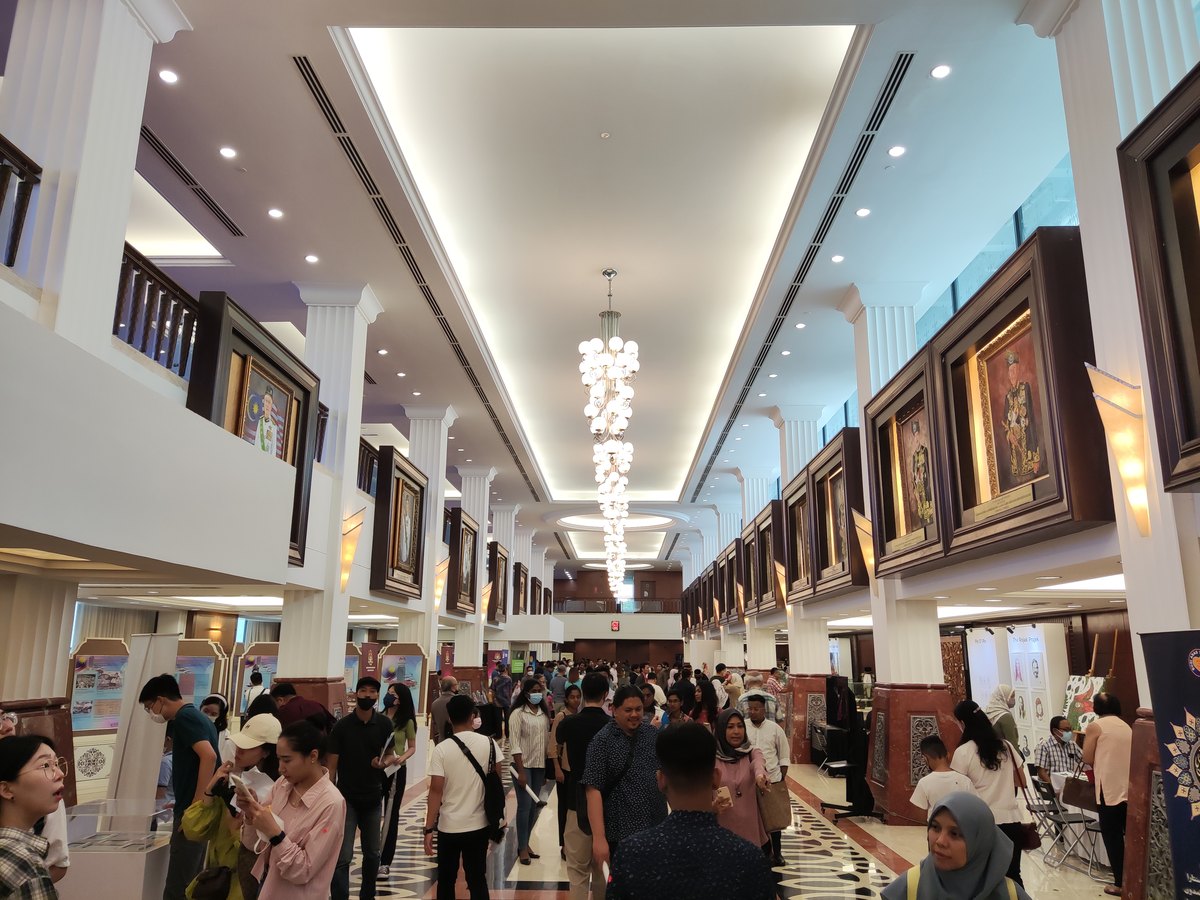
The main hall inside the Parliament building, with visitors during an open day. Committee-stage debate itself is held in the chamber. Photo: Wikimedia Commons / Wee Hong
The distinction that matters more than the vote
A Supply Bill is an appropriation law. It authorises money to be paid out of the Consolidated Fund and appropriates it to specific purposes. It does not rewrite the Income Tax Act, and it does not set a minimum wage.
The tax measures announced on 9 October ride in a separate Finance Bill. Last year's Finance Bill was tabled in mid-November and gazetted at the end of December, so expect the 2027 measures in the same window — a pattern, not a promise.
The RM2,000 minimum wage comes by a third route: a Minimum Wage Order under the National Wages Consultative Council Act 2011. Human Resources Minister R. Ramanan said on 16 October that the order had been through the council chaired by Tan Sri Zainal Rahim Seman and would be the seventh such order (Bernama, 16 October 2026). The council's chairman said businesses with annual turnover of RM50 million or less may keep paying RM1,700.
MediAsas, the basic medical insurance and takaful plan, is a scheme launch in January 2027 rather than legislation, so insurers and the Ministry of Health will settle its details.
Five SME measures, and what each one still needs
| Measure | What was announced | Still needed |
|---|---|---|
| MSME tax cut | 14% on the first RM150,000 of chargeable income, 16% on RM150,001 to RM600,000, from YA2027 | Finance Bill, then gazette |
| RM2,000 minimum wage | From June 2027; MSMEs with annual sales below RM50 million exempted for now | Minimum Wage Order |
| RM2,500 floor | Starting minimum for semi-skilled workers and graduates | Occupational definitions |
| MediAsas | January 2027 launch; RM200 first-year premium subsidy per worker, SMEs under 75 employees, capped at 50 | Products and subsidy mechanics |
| Stamp duty | RM10 on peer-to-peer financing agreements from 1 January 2027; exemption on opening accounts | Finance Bill, then gazette |
What you can act on now
Financing. The RM57 billion financing and guarantee envelope belongs to 2027, but one facility is open today. Bank Negara Malaysia's SME Stabilisation Relief Facility lends up to RM750,000 over five years at a maximum 3.75% a year including the guarantee fee, for working capital, until 30 June 2027 or full utilisation. As at 30 September, RM3.8 billion of the first RM5 billion had been approved across more than 6,800 SME accounts (BNM, reported 28 October 2026).
Wages. Model June 2027 now, even if you expect the exemption. Twenty staff moving from RM1,700 to RM2,000 is RM6,000 a month before statutory contributions; the larger risk is compression, when your RM1,900 staff ask for the same RM300.
Records. The small-value asset threshold rises to RM3,000 with a RM30,000 annual claim limit, and accelerated allowances on plant, machinery and ICT extend to 31 December 2030 — both in the Finance Bill. You cannot claim against a proposal, but you can keep the asset register clean enough to claim the week it is gazetted.
Hands guiding a component through a machine. Equipment purchases are where the capital allowance changes will matter most to small manufacturers. Photo: Wikimedia Commons
What the committee stage can and cannot change
At committee stage the House votes on each ministry's estimates, and amendments can be moved: an allocation can be cut, or a programme's funding shifted. What cannot happen is a tax rate appearing in a spending Bill.
With a government majority the realistic changes are negotiated ones — a clearer programme description, a topped-up allocation, a minister's commitment during winding-up. That is why the winding-up speeches matter more to an SME than the vote.
What to re-check in December
Three documents will settle most of the open questions: the Finance Bill, for the rate cut's fine print and the stamp duty items; the gazetted Minimum Wage Order, for how the RM50 million threshold is measured; and the Inland Revenue Board's 2027 tax deduction schedule, which tells you whether January payslips move.
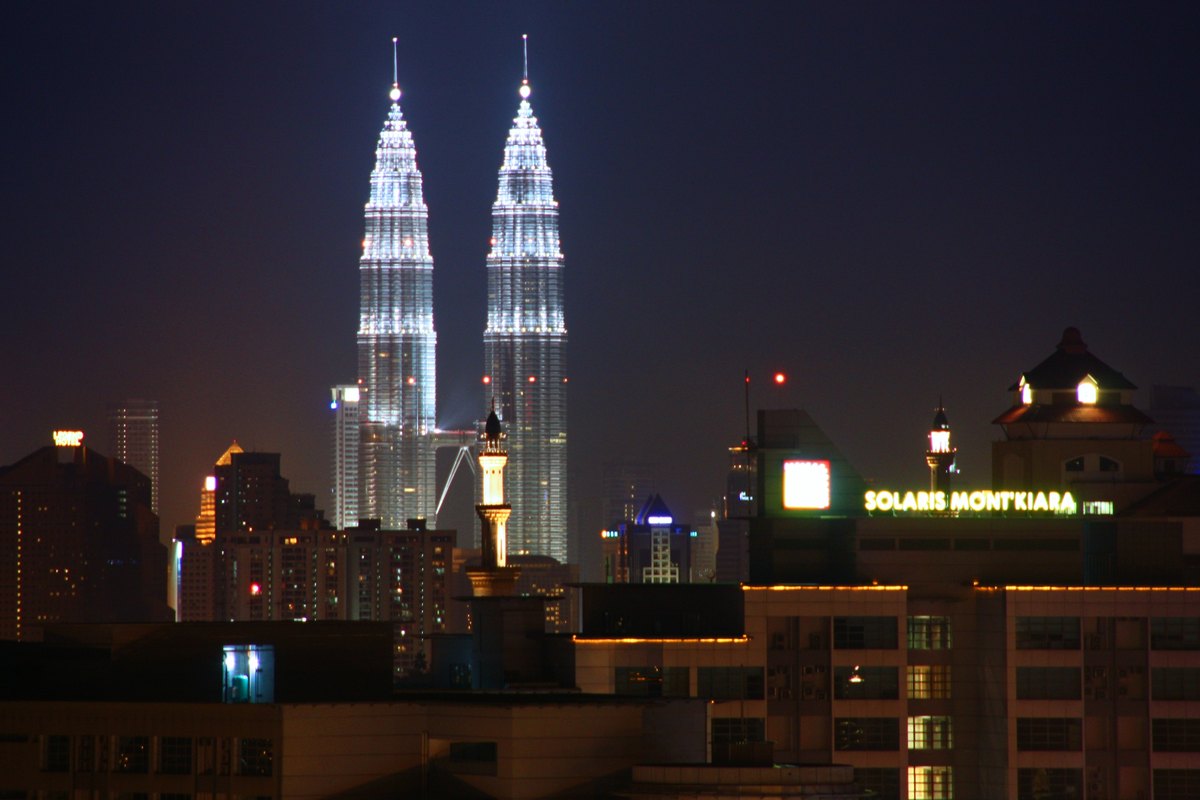
Kuala Lumpur at night, with the Petronas Towers behind the Solaris Mont Kiara block. The 2027 spending plan is past its first vote and into detailed scrutiny. Photo: Wikimedia Commons
Confirm before you commit: the effective dates and eligibility rules for the rate cut, the wage order and the MediAsas subsidy are not final until gazetted, and the mechanics of the RM50 million sales threshold are unpublished. Use the Ministry of Finance's tax measures annex, the Gazette and the Ministry of Human Resources as the authority.
Conclusion
Treat 29 October as the start of the process, not the end. The spending authority for 2027 is on track; the tax cut, the wage floor and the health subsidy run on separate tracks with separate documents, and none binds until published.
Spend this month on the three things that need no gazette: an application to the SME Stabilisation Relief Facility if working capital is your constraint, a wage model showing what June 2027 costs at your headcount, and an asset register clean enough to support a claim the moment the Finance Act lands.
Then diarise the first week of December, when the guessing stops.
Frequently Asked Questions
1. Does the 29 October vote mean Budget 2027 is approved?
No. It passed the policy stage only. Committee-stage debate on the ministry estimates runs from 2 to 26 November, after which the Bill needs its third reading, the agreement of the Dewan Negara, royal assent and gazettal.
2. Can I apply the 14% MSME tax rate to my 2027 accounts now?
Plan on it, but do not book it. The rate applies from year of assessment 2027, and the measure is a proposal until the Finance Bill is passed and gazetted. Model both the current 15% and the proposed 14% on your first RM150,000 of chargeable income.
3. My sales are below RM50 million. Am I automatically exempt from the RM2,000 minimum wage?
The exemption was announced for MSMEs with annual sales below RM50 million, and the National Wages Consultative Council chairman said such businesses may continue paying RM1,700. How annual sales are measured, and whether related companies are aggregated, has not been published. Confirm with the Labour Department before relying on it.
4. Which financing should I apply for first?
If you are affected by trade and supply chain disruption, the SME Stabilisation Relief Facility is currently the cheapest option: a maximum 3.75% a year including guarantee fee, up to RM750,000 over five years, closing on 30 June 2027 or when the allocation runs out.
5. When will the committee stage actually change anything?
Rarely in the headline numbers, often in the detail. Watch each ministry's winding-up speech for commitments on how a programme will be administered, and compare the allocation stated at the end of debate with the figure in the Budget speech.
Ahmad Firdaus covers policy, labour and regulation affecting Malaysian SMEs for SMEBuddies. He follows parliamentary business, wage orders and licensing rules, and writes about what changes in the statute book actually mean for a business with a payroll to meet. His work focuses on the gap between what is announced and what is gazetted.
Budget 2027 Cleared Its First Vote: What Actually Changes for Your SME