By Ryan Lim · September 2026
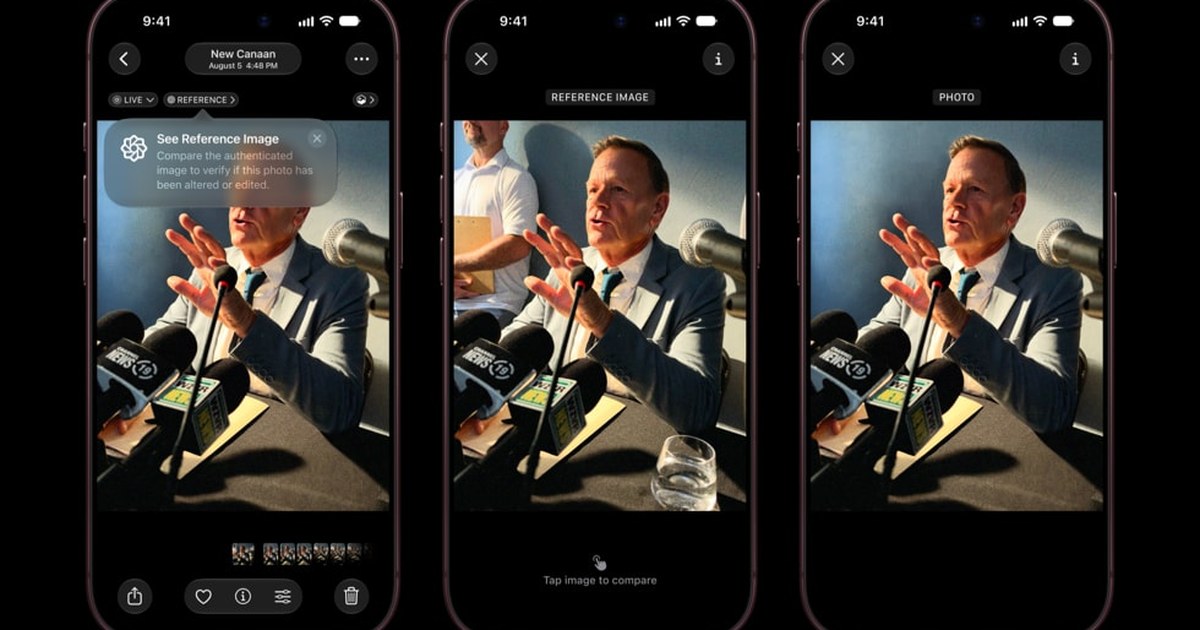
Apple Reference Image on iPhone 18 Pro compares the signed original capture with an edited version, like a digital negative. Image: Apple.
Apple's “Surprise and Shine” event on 9 September was, like most recent launches, mostly a camera story. This year it is less about megapixels and more about control — and control is something small businesses can use.
If you run an SME and sell anything physical, you are already a photographer. Product images for Shopee or Lazada listings, a WhatsApp catalogue, photos for an insurance claim or a supplier dispute: all of it is shot on a phone, usually in a hurry, usually on a shop counter. The iPhone 18 Pro's camera changes speak directly to that workflow.
The camera upgrades that matter to a business
- Variable aperture on both Pro models — not just the larger one, which matters if you buy the smaller phone.
- New manual aperture and shutter speed controls for hands-on exposure decisions.
- Texture and grain controls added to Photographic Styles, for a repeatable look.
- ‘Apple Reference Image’, a new feature for verifying that a photo is authentic.
- The A20 Pro chip, Apple's first 2nm smartphone chip, plus a redesigned vapour chamber that triples the cooling surface area.

Shot on iPhone 18 Pro: the new 48MP Fusion Main camera widens its aperture to f/1.48 in low light. Image: Apple.
Variable aperture, without the jargon
Aperture is the size of the hole that lets light into the lens. A wide hole gathers more light and blurs the background; a narrow hole keeps more of the frame sharp. Until now iPhone cameras used a fixed aperture and Apple simulated the blur digitally. A variable aperture means the lens physically changes, so the blur is optical rather than computational.
For a seller, that separates a jar of Shot on iPhone 18 Pro: the new 48MP Fusion Main camera widens its aperture to f/1.48 in low light. Image: Apple. that pops off a clean background from one that looks like it was shot in a warehouse. Now both Pro models can produce that look in-camera.
Manual aperture and shutter speed: a studio you can carry
Manual shutter speed is the quietly useful addition. Fast speeds freeze motion — handy for food businesses shooting steam. Slow speeds let in more light for dim interiors, if the phone is steady. Combined with manual aperture, you can lock an exposure once and shoot a whole catalogue under identical settings instead of letting the phone re-decide for every frame.
That consistency is what makes a product grid look professional. Mixed exposures, some warm and some cool, are the single most common giveaway of a home-studio shoot.
Texture and grain for a consistent brand image
Texture and grain controls in Photographic Styles apply a deliberate finish — clean for electronics, warm for artisanal food. Because they are styles rather than one-off edits, the same look can be reused across a batch and across different staff. A recognisable image style is free branding.

Shot on iPhone 18 Pro at f/1.8 — the variable aperture controls background blur optically rather than in software. Image: Apple.
‘Apple Reference Image’: proving a photo is the real thing
The least flashy announcement may matter most to a business. Apple's new Reference Image feature is designed to verify a photograph's authenticity — to show whether an image is the original capture or something that has been altered.
Where that pays off
- Warranty claims: a dated, verifiable photo of a faulty unit is harder for a supplier to dispute.
- Insurance and disputes: photos of stock or damage carry more weight when authenticity can be checked, and they resist the “you edited that” objection.
- Marketplace listings: if you sell second-hand or graded goods, a verifiable image is a trust signal against sellers using stolen photos.
The practical takeaway: keep the original file. Screenshots and WhatsApp-compressed copies strip the information that makes a capture verifiable. Archive originals on a cloud drive, sorted by date and site.

Pro controls in the Camera app allow manual shutter speed, aperture and white balance. Image: Apple.
Practical tips for shooting products on an iPhone
- Use one light source. A window with a white sheet or translucent plastic as a diffuser beats three ceiling lights of different colour temperatures.
- Get the phone off your hands. A cheap tripod and a rubber band will do more for sharpness and consistency than any software setting.
- Lock in settings one time. Set aperture, shutter speed and Photographic Style once, then keep the same table, backdrop and framing for every product.
- Shoot the angles you need. Front, side, scale reference, label close-up, and one honest photo of any defect — then store originals separately from resized copies.
What the A20 Pro's 2nm chip changes
The A20 Pro is Apple's first 2nm smartphone chip. Smaller fabrication generally means more performance per watt, which a small business feels as faster processing of large image batches and better battery endurance during long shooting sessions. Apple also redesigned the Pro vapour chamber, tripling the cooling surface area for sustained workloads such as processing hundreds of photos without throttling.
The camera upgrades and the new Apple C2 modem do not arrive on every model identically, and Apple confirmed the Pro and Pro Max use different modems. Worth checking before you assume the cheaper phone behaves the same on your network.
Malaysia pricing and dates
| Product | Malaysia price | Key date |
|---|---|---|
| iPhone 18 Pro (256GB) | From RM5,499 | Pre-orders 12 Sept, 8pm MYT |
| iPhone 18 Pro Max | From RM5,999 | In stores 18 Sept |
| iOS 27 | Free update | 14 Sept |
The iPhone 18 Pro's Malaysian starting price is unchanged from last year at RM5,499, even though Apple raised the US price by USD100. That was not true across the range: the iPhone Air, iPhone 17 and iPhone 17e rose by up to RM1,300, and no standard iPhone 18 was announced.
Conclusion
For most Malaysian SMEs, the interesting part of Apple's September launch is not the foldable iPhone Duo or the Pro Max's 45-hour battery claim. It is that Apple has handed small operators two things they usually pay for: optical depth-of-field control, and a way to show that a photograph is genuine.
If you sell physical goods, the workflow to adopt is simple — one light, one tripod, one locked set of manual settings, one consistent style, and originals kept untouched. If you handle claims, deliveries or disputes, start filing verifiable captures alongside your paperwork now, before you need them.
The iPhone 18 Pro at RM5,499 does not make a studio redundant. It does make a credible catalogue image achievable on a shop counter, and that is the standard most SME listings are judged against.
Frequently Asked Questions
Do I need the iPhone 18 Pro Max for good product photos?
No. Apple put the variable aperture and the new manual aperture and shutter speed controls on both Pro models, so the smaller 6.3-inch iPhone 18 Pro from RM5,499 covers the same photography workflow. Choose the Pro Max for its battery life claim of up to 45 hours, not for better pictures.
What does Apple Reference Image actually prove?
Apple describes it as a way to verify a photo's authenticity — essentially confirming that an image is an original capture rather than an edited or generated one. For a business, its value is evidential: warranty claims, insurance submissions and marketplace disputes all go smoother when the other side cannot simply say the photo was altered.
Can I replace my studio lights with just a window?
For most small products, yes. A single diffused window light produces soft, even illumination that looks deliberate. The trap is mixing it with ceiling lighting of a different colour temperature, which makes white balance inconsistent across a catalogue.
When can I buy one in Malaysia?
iPhone 18 Pro and Pro Max pre-orders open Saturday 12 September at 8pm MYT, with first-wave products in stores from Friday 18 September. iOS 27 arrives as a free update on 14 September. The foldable iPhone Duo is later: pre-orders 16 October and in stores 23 October.
Is the A20 Pro chip worth it for editing photos on the phone?
It is Apple's first 2nm smartphone chip, which generally means more work done per unit of power. In practice that translates to faster batch editing, more capable on-device AI features, and less heat-related throttling during long sessions — helped by a redesigned vapour chamber that triples the cooling surface area.
Ryan Lim covers technology trends and digital transformation for SMEBuddies, with a focus on how consumer hardware changes the way small Malaysian businesses actually operate. He has spent over a decade advising retail and services SMEs on their digital tooling, from point-of-sale systems to e-commerce operations. Ryan writes about practical adoption rather than spec sheets, and he tests the workflows he recommends on real trading floors. His work for SMEBuddies covers devices, productivity software and the everyday technology decisions that shape small business costs.
Apple's New iPhone Cameras Are a Business Tool: Variable Aperture and Reference Image Explained