By Ryan Lim · September 2026
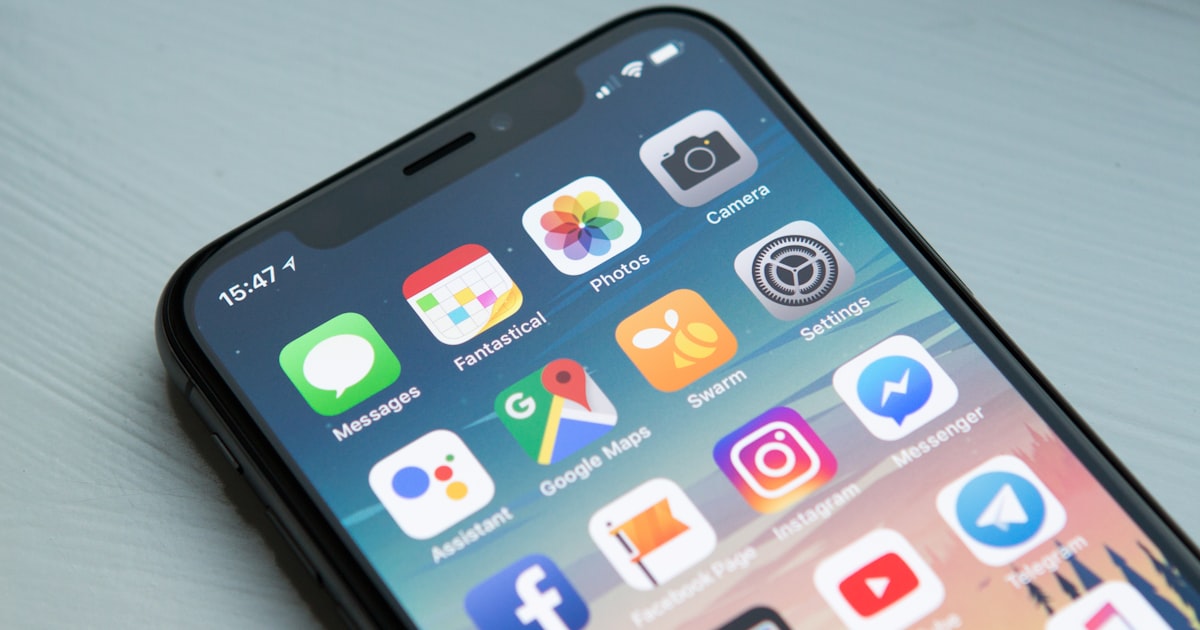
The US$1.4 Trillion Projection
According to the GSMA's M360 ASEAN report, mobile technologies already contribute around US$900 billion a year to the Asia-Pacific economy — roughly 5% of regional GDP. By 2030, that figure is expected to climb to US$1.4 trillion, with growth powered by three forces: widespread adoption of artificial intelligence, stronger digital trust between businesses and consumers, and more resilient networks that keep economies running during disruptions.
For a country the size of Malaysia, the report's message is simple: the mobile ecosystem is no longer just a communication channel, it is economic infrastructure. Every ringgit spent on connectivity, digital services and trust-building multiplies through the wider economy.
Mobile-First Customers Are the New Default
Malaysia's smartphone penetration is among the highest in the region — more than 97% of the adult population uses a mobile phone, and most commerce now starts on a screen. DuitNow QR payments, e-wallets like Touch 'n Go eWallet and GrabPay, and mobile banking apps have made cashless transactions the norm, even at pasar malam stalls and roadside eateries.
For SMEs, the practical implication is that a business without a mobile-friendly presence is invisible to a large share of customers. If your website takes more than three seconds to load on a phone, or your payment options stop at cash and card, you are already losing sales to competitors who accept DuitNow QR and process orders through WhatsApp or Shopee.
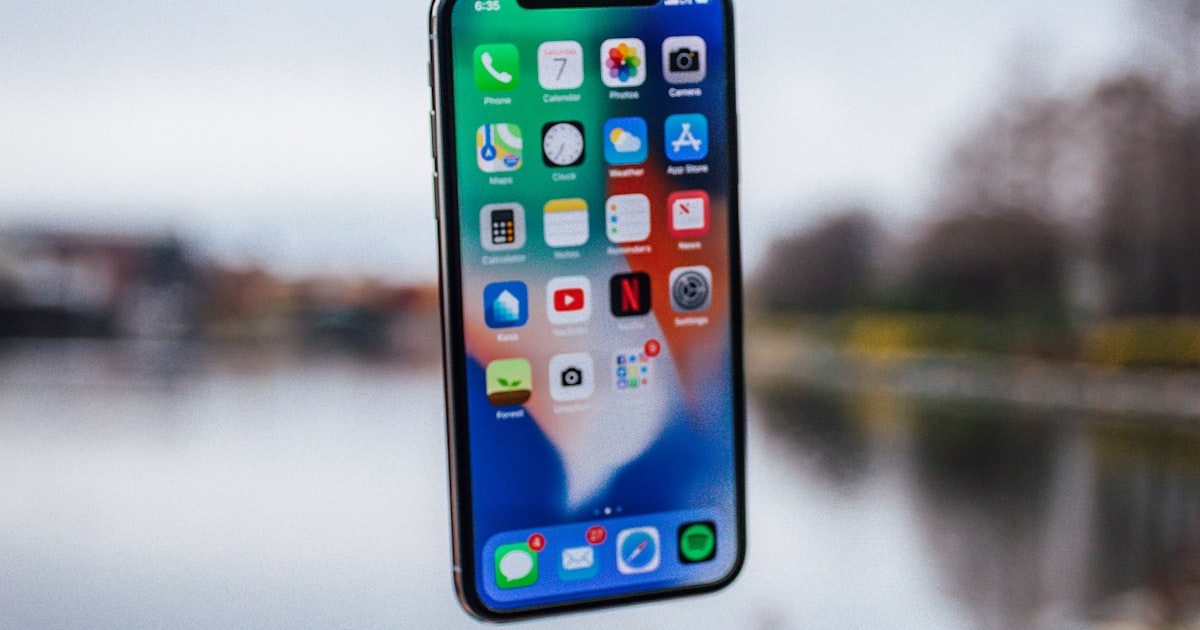
QR payments via DuitNow are now the default expectation for Malaysian consumers.
5G Rollout: Faster Networks, New Capabilities
Malaysia's 5G population coverage has now passed 80%, and the shift to a dual-network model — with Digital Nasional Berhad and a second network operator — is expanding coverage and pushing down wholesale prices. Business 5G plans from CelcomDigi, Maxis and U Mobile start from around RM50 to RM100 a month, making high-speed connectivity affordable even for micro businesses.
What can a small business actually do with 5G? Cloud accounting and inventory systems that were painfully slow on 4G now run smoothly; video marketing and livestream selling no longer buffer; and staff working on-site or remotely can collaborate on shared documents without lag. For retailers and F&B operators, 5G also unlocks IoT tools such as smart shelves, connected freezers and real-time queue management.
Digital Trust and Cybersecurity Are Business Requirements
The GSMA report identifies digital trust as a key growth driver — and trust is built on security. Malaysia's Personal Data Protection Act was amended in 2024, and with the amendments now in force, businesses face fines of up to RM1 million for data breaches, with repeat offenders penalised up to ten times that amount. Add the mandatory e-Invoicing rollout under LHDN, and it is clear that customer data now flows through every SME's systems whether they planned for it or not.
Cybersecurity no longer belongs only to big companies. Malaysian SMEs are frequent targets of phishing, fake invoice scams and ransomware because attackers know small firms have weak defences. The basics cost little: enable two-factor authentication on all business accounts, back up data daily to the cloud, train staff to spot phishing emails, and consider cyber insurance starting from a few hundred ringgit a year.

Digital trust starts with basic protections like two-factor authentication and regular backups.
Five Actions for Malaysian SMEs This Year
- Make your website and checkout mobile-first, and accept DuitNow QR at minimum.
- Review your PDPA compliance: document what customer data you collect, why, and how long you keep it.
- Upgrade to a business 5G plan if your team relies on cloud tools or video content.
- Automate one repetitive task with AI — customer FAQs, product descriptions or bookkeeping — and measure the time saved.
- Apply for digitalisation support from MDEC or SME Corp to offset the cost of new tools.
A mobile-first, security-conscious business is better positioned to capture the US$1.4 trillion opportunity.
Conclusion
The US$1.4 trillion projection from the GSMA's M360 ASEAN report is not just a regional headline — it is a roadmap for how Malaysian customers will buy, pay and interact in the coming years. Mobile-first commerce, affordable 5G and digital trust are the three pillars your business should build on.
You do not need a big budget to start. A mobile-optimised website, QR payments and basic cybersecurity hygiene are within reach of even the smallest business, and government programmes exist to help fund the transition.
In the mobile economy, the businesses that grow are the ones customers can find, trust and pay with a few taps.
Frequently Asked Questions
1. What exactly does the US$1.4 trillion figure mean for my small business?
It is a projection of the mobile economy's total contribution to Asia-Pacific GDP by 2030 — spanning connectivity, devices, services and apps. For your business, it signals where customers are spending attention and money: mobile channels.
2. Do I need to invest in new 5G equipment?
Usually not. Most phones sold in Malaysia since 2023 support 5G; you mainly need a 5G SIM and plan. Check coverage in your area with your telco before paying more.
3. What is the cheapest way to accept mobile payments?
DuitNow QR via any participating bank app is free to display. E-wallet merchant accounts through Touch 'n Go eWallet or ShopeePay charge small transaction fees — typically around 1% or less for most tiers.
4. Is cybersecurity really necessary for a small business?
Yes — SMEs are prime targets precisely because their defences are weak. Start with two-factor authentication, daily backups and staff training; cyber insurance is a low-cost safety net.
5. Where can I get help with digitalisation?
MDEC and SME Corp run grants and advisory programmes — check their official websites for current calls. Banks like Maybank and CIMB also offer SME digitalisation packages with bundled tools and preferential rates.
Ryan Lim is a technology trends and digital transformation writer for SMEBuddies, covering 5G, artificial intelligence, the digital economy and emerging technology for Malaysian small business owners. He has spent years tracking telecoms, MDEC initiatives and regional tech reports, and translating industry jargon into practical action lists. His articles help SMEs decide which technologies are worth adopting and which can wait. When he is not writing, he is testing new apps and following GSMA and local telco announcements.
APAC Mobile Economy to Hit US$1.4 Trillion by 2030: What It Means for Malaysian SMEs