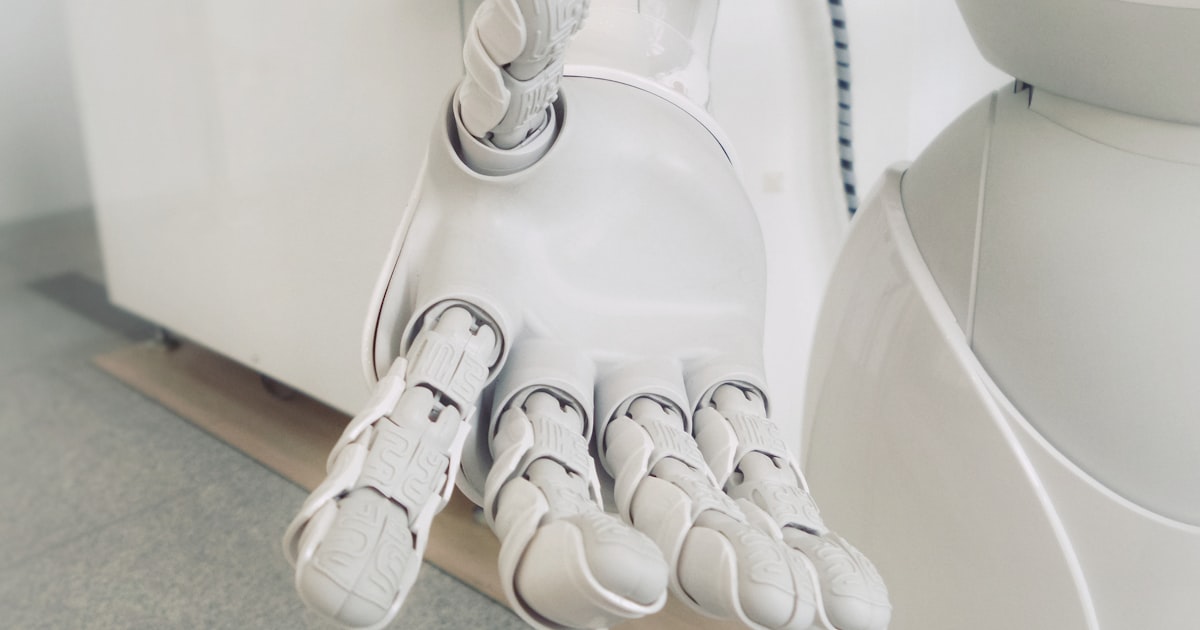
"Hello! How can I help you today?" — this simple greeting might come from a human or an AI, and increasingly, Malaysian customers don't mind which one it is. As long as their question gets answered quickly and accurately, they're happy.
The rise of AI chatbots has transformed customer service. For Malaysian SMEs operating with lean teams, the promise of 24/7 automated support is incredibly appealing. But can a bot really replace the human touch that builds customer loyalty? And more importantly, how do you decide what's right for your business?
Let's break down the chatbot vs human debate specifically for Malaysian small businesses, with practical guidance on finding the right balance.
The State of Customer Service in Malaysia
Malaysian consumers have high expectations when it comes to customer service. A 2025 survey found that 73% of Malaysian customers expect a response within 1 hour when contacting a business online. Yet most SMEs can't afford a dedicated support team working around the clock. This gap between expectation and reality is where AI chatbots shine.
At the same time, Malaysian culture values personal relationships and warm interactions — qualities that are inherently human. The "kopitiam culture" of personal connection, the friendly "Apa khabar?" that starts every conversation — these are hard to replicate with code.
The solution isn't choosing one over the other. It's understanding when to use each and building a hybrid system that plays to the strengths of both.
What AI Chatbots Do Well
Modern AI chatbots have come a long way from the frustrating "press 1 for English" phone trees of the past. Today's chatbots, powered by large language models like GPT and Claude, can understand natural language, hold contextual conversations, and even detect sentiment.
🤖 AI Chatbot Strengths
- Available 24/7, 365 days a year
- Responds instantly — no waiting
- Handles unlimited simultaneous conversations
- Consistent answers every time
- Perfect for FAQs and simple requests
- Costs a fraction of a human agent
- Can speak BM, English, Mandarin, Tamil
- Collects data for analytics
🧑 Human Agent Strengths
- Empathy and emotional intelligence
- Handles complex or sensitive issues
- Creates personal rapport with customers
- Can read between the lines
- Negotiates and upsells naturally
- Adapts to unexpected situations
- Builds long-term customer relationships
- Understanding cultural nuance

Where Chatbots Fall Short
Before you rush to automate everything, understand the limitations. Chatbots still struggle with:
- Complex problems — An unhappy customer with a multi-step issue needs a human who can think creatively
- Emotional situations — A customer who has received a damaged product or poor service needs empathy, not a scripted apology
- Cultural sensitivity — Malaysian communication is often indirect. "Maybe can check first" usually means "No, but I don't want to say it directly." Chatbots miss these subtleties.
- Upselling opportunities — A skilled human can identify opportunities to recommend products based on tone and context in ways AI cannot match
The Winning Strategy: Hybrid Customer Service
The most effective approach for Malaysian SMEs is a hybrid model where chatbots and humans work together. Here's how to structure it:
Layer 1: The AI Frontline (Chatbot)
The chatbot handles the first interaction. Its job is to answer common questions, collect basic information, and — critically — know when to escalate. Set it up to handle:
- Store hours and location inquiries
- Order status checks
- Product information requests
- Basic troubleshooting
- Appointment scheduling
- Collecting customer details before transfer
Layer 2: The Human Escalation Path
When the chatbot detects frustration, a complex question, or a request to speak with a human, it should transfer the conversation seamlessly. The human agent receives the full conversation history so the customer doesn't have to repeat themselves — this is crucial for a good experience.
Layer 3: Follow-up and Feedback
After the human resolves the issue, the chatbot can follow up to collect feedback, send a satisfaction survey, or confirm the resolution. This closes the loop efficiently.
Getting Started: Affordable Chatbot Options for Malaysian SMEs
You don't need a team of AI engineers to deploy a chatbot. These tools are affordable and designed for small businesses:
- Tidio — Combines live chat with an AI chatbot. Starts free. Paid plans from around RM85/month. Strong WhatsApp integration.
- ManyChat — Excellent for businesses that already use Facebook Messenger and WhatsApp. Free tier available. Paid plans from RM50/month.
- Zendesk Answer Bot — Part of the Zendesk suite. More sophisticated but pricier from RM180/month. Good if you already use Zendesk.
- Chatfuel — No-code chatbot builder for Messenger and WhatsApp. Easy to set up. Free for the first 50 conversations.
- Botpress — Open-source option for tech-savvy SMEs. Free to self-host. More control but requires some technical knowledge.


Don't Forget the Human Element
No matter how sophisticated your chatbot becomes, never lose sight of what makes Malaysian service special. A chatbot that ends every interaction with "Terima kasih, ada apa-apa lagi yang saya boleh bantu?" can feel warm and local. But a chatbot that can't handle a simple code-mixed query like "Nak tanya pasal delivery, boleh ke datang ambil sendiri?" is going to frustrate customers fast.
If your customers speak a mix of Bahasa Malaysia, English, and Chinese — as many Malaysian customers do — ensure your chatbot is trained on this mixed-language data. Generic English-only chatbots will feel foreign and frustrating to your audience.
Measuring Success: Key Metrics
Whether you use a chatbot, humans, or both, track these metrics to know if your customer service is working:
- First Response Time — How quickly does a customer get an initial response? Aim for under 1 minute.
- Resolution Rate — What percentage of inquiries are resolved without human escalation? A good chatbot resolves 60-80% on its own.
- Customer Satisfaction Score (CSAT) — Are customers happy after the interaction? Aim for 85%+ satisfaction.
- Average Handling Time — How long does it take to resolve an issue? Faster isn't always better if quality suffers.
- Human Escalation Rate — Too low means your chatbot might be avoiding hard questions; too high means it's not doing its job.
Conclusion
The question isn't "Should I use a chatbot or a human?" — it's "How can chatbots and humans work together to give my customers the best possible experience?"
For Malaysian SMEs, the answer is a thoughtful hybrid approach. Let AI handle the routine, repetitive, and straightforward inquiries 24/7. Reserve your human team for the conversations that truly need empathy, creativity, and cultural understanding. This gives your customers quick answers when they need them and warm, personal service when it matters most.
Start small. Pick one channel — your website chat or WhatsApp — and add a simple chatbot for your most common questions. Monitor the results, collect feedback, and iterate. In six months, you'll wonder how you ever managed customer service without an AI assistant by your side.
The future of customer service in Malaysia isn't bot OR human. It's bot AND human — working together to serve your customers better.
This article was written by the SMEBuddies editorial team. We help Malaysian small business owners leverage technology for growth. Subscribe to our newsletter for practical weekly insights delivered to your inbox.
Frequently Asked Questions
1. What is the cost of implementing AI for an SME?
Many AI tools offer free tiers or affordable monthly plans. ChatGPT costs RM 0 for basic use, while more advanced tools range from RM 50 to RM 500 per month depending on features.
2. Do I need technical skills to use AI tools?
Most modern AI tools are designed for non-technical users. Platforms like ChatGPT, Canva AI, and HubSpot offer intuitive interfaces that require no coding.
3. Can AI replace my employees?
AI is best used as a productivity enhancer, not a replacement. It handles repetitive tasks so your team can focus on higher-value work.
AI-Powered Customer Service: Chatbots vs Humans for SMEs