How Local Retailers Are Using AI to Compete with E-Commerce Giants
Running a local retail business in Malaysia today means competing against Shopee, Lazada, TikTok Shop, and a growing number of international e-commerce platforms — all offering lower prices, faster delivery, and endless product variety. For many brick-and-mortar and independent online sellers, this feels like an unwinnable battle.
But something interesting is happening. A growing number of Malaysian local retailers are using AI tools not just to survive against the giants — but to carve out loyal, profitable niches that the big platforms cannot easily replicate.
This article looks at how they are doing it, and how you can apply the same strategies to your own retail business.
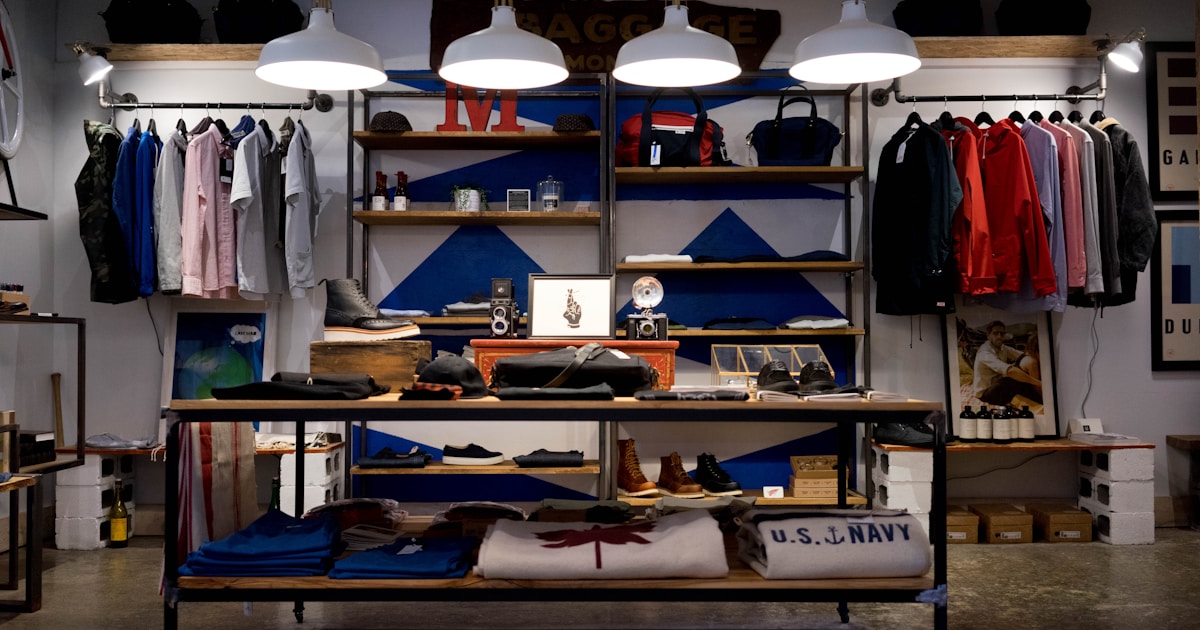
The Local Retailer's Real Advantage
Before diving into the AI tools, it is worth understanding where local retailers naturally have the edge over e-commerce giants:
Personal relationships and community trust — customers who know and like you come back repeatedly.
Product curation — you can offer a focused, expert selection rather than overwhelming choice.
Speed for local customers — same-day delivery or pickup is something Shopee and Lazada cannot always match.
Personalised service — knowing your customers by name and remembering their preferences creates loyalty that algorithms cannot replicate.
Unique or exclusive products — especially relevant for artisan, local-brand, or speciality retailers.
AI amplifies every single one of these advantages. It does not make a local retailer into a Shopee. It makes a local retailer significantly better at being a local retailer.

5 Ways Malaysian Retailers Are Using AI Right Now
1. AI-Powered Inventory Management
One of the most costly problems in retail is stocking too much of the wrong product or running out of the right one. E-commerce giants use sophisticated demand forecasting algorithms to solve this. Today, that same capability is available to SMEs through tools like Cin7, Odoo, and even built-in features in point-of-sale systems like Square and StoreHub.
These platforms use AI to analyse your sales history, identify patterns (seasonal trends, day-of-week fluctuations, promotional uplift), and recommend reorder quantities. The result: less capital tied up in excess stock and fewer lost sales due to stockouts.
Example in Practice:
A fashion boutique in Bangsar uses StoreHub's analytics to track which sizes and colours sell fastest each season. Instead of re-ordering based on gut feel, the owner reviews AI-generated reorder suggestions weekly. She now carries 25% less inventory while maintaining the same in-stock rate.
2. Personalised Customer Communication via WhatsApp AI
Large e-commerce platforms send generic promotional emails to millions of subscribers. Local retailers can do something far more powerful: personalised, timely messages that feel genuinely human — and now, AI can help them do this at scale.
Using tools like WATI or Respond.io, retailers can set up automated WhatsApp sequences that send personalised promotions based on purchase history, remind customers about their favourite products when stock is replenished, or follow up after a purchase to ask for a review or referral.
Example in Practice:
A health supplement retailer in Petaling Jaya uses WATI to automatically message customers who bought a 30-day supply of a product 25 days after their purchase, reminding them to reorder before they run out. This single automation increased repeat purchases by over 30% in the first month.
3. AI Content Creation for Social Media and Product Listings
E-commerce giants employ large teams of content writers and photographers. Local retailers typically have neither. AI levels this playing field significantly.
ChatGPT can write compelling product descriptions, social media captions, and promotional copy in minutes. Canva Magic Studio can generate professional marketing graphics from templates without a designer. Tools like Remove.bg can instantly remove backgrounds from product photos for clean, professional listing images.
Combined, these tools allow a one-person retail operation to produce the kind of consistent, polished content that previously required an agency.
Example in Practice:
A traditional bakery in Ipoh photographs their daily specials on a smartphone and uses Canva Magic Studio to create polished promotional graphics for Facebook and Instagram. ChatGPT writes the captions in both Bahasa Malaysia and English. What used to take 45 minutes now takes under 10.
4. Smarter Pricing with Competitive Intelligence Tools
Competing purely on price against Shopee and Lazada is a race to the bottom that local retailers will rarely win. But understanding market pricing — and positioning thoughtfully around it — is essential.
AI-powered tools like Prisync and Wiser allow retailers to monitor competitor pricing across e-commerce platforms automatically. This helps retailers make smarter decisions: when to run promotions, when to hold price because quality justifies the premium, and which products are genuinely price-sensitive versus which ones customers will pay more for.
Combined with strong local branding and service, smart pricing strategy allows local retailers to compete on value rather than just cost.
5. AI-Enhanced Customer Reviews and Reputation Management
Google reviews, Facebook recommendations, and Shopee/Lazada ratings drive purchasing decisions. Local retailers that actively manage their online reputation have a measurable advantage — but responding to reviews and managing feedback is time-consuming.
AI tools like Podium and Birdeye automate review request messages to customers after purchase, aggregate reviews from multiple platforms, and suggest personalised response drafts for new reviews. This allows small retailers to maintain a professional, active online reputation without dedicating hours to it each week.
Example in Practice:
A hardware shop in Shah Alam uses an automated WhatsApp message (powered by WATI) to request Google reviews from customers who have made purchases above RM 100. Within 3 months, their Google rating improved from 3.8 to 4.6 — directly driving more walk-in and phone enquiries.
Where to Start: A Practical Roadmap for Malaysian Retailers
If you are new to AI tools, the breadth of options can feel overwhelming. Here is a simple, sequenced approach:
Month 1 — Fix customer communication: Set up a WhatsApp Business account and explore WATI or ManyChat for automated responses to common enquiries. This has the fastest ROI for most Malaysian retailers.
Month 2 — Improve your content: Start using ChatGPT for product descriptions and social media captions. Set up Canva Magic Studio for graphics. Invest one day to build a basic content template.
Month 3 — Tighten your inventory: If you are using a POS system, explore its analytics features. Many systems like StoreHub already have demand forecasting built in — you may just not be using it yet.
Month 4 onwards — Build your reputation: Implement an automated review request workflow and begin monitoring your online ratings consistently.

Frequently Asked Questions
Can a small local retailer really compete with Shopee and Lazada?
Not on every dimension — and that is not the goal. Local retailers who thrive are those who compete on what the platforms cannot offer: personal relationships, local community trust, expert curation, and fast local fulfilment. AI helps them do all of these things more efficiently.
How much does it cost to use these AI tools?
Most of the tools mentioned in this article have free tiers or low-cost entry plans. You can start implementing AI in your retail business for under RM 200 per month — and many retailers find the ROI in time saved and revenue uplift within the first 30 days.
Do I need to be tech-savvy to use these tools?
No. Tools like Canva, ChatGPT, and WATI are specifically designed for non-technical users. If you can use WhatsApp and Facebook, you can use these tools.
What is the single most impactful AI tool for a Malaysian retailer?
For most retail businesses in Malaysia, WhatsApp automation (via WATI or ManyChat) delivers the fastest and most visible return. It directly addresses response time, customer follow-up, and promotional reach — the three biggest growth levers for most SME retailers.
The Future Belongs to Retailers Who Adapt
The rise of e-commerce has permanently changed Malaysian retail. But the retailers who are thriving today are not the ones who tried to out-price the platforms — they are the ones who doubled down on what makes a local retailer irreplaceable, and used AI to do it more efficiently.
Personalised service. Community trust. Curated expertise. Fast local fulfilment. AI does not replace any of these things. It makes them more consistent, more scalable, and more powerful.
The tools are accessible, affordable, and — in many cases — free to try. The only question is where you start.
Find more practical strategies for Malaysian retail and SME businesses at SMEBuddies.com.
Conclusion
As a Malaysian SME, staying informed and taking action on what you learn is what sets your business apart. The strategies and tools discussed in this article are designed to be practical and achievable. Start with one area, master it, then expand. Remember, the goal is progress, not perfection.
This article was written by the SMEBuddies editorial team. We help Malaysian small business owners grow smarter with practical, actionable advice.
How Local Retailers Are Using AI to Compete with E-Commerce Giants