By Low Kok Ping · September 2026

Everyone can try AI — the businesses that win are the ones that scale it beyond the pilot.
Malaysia's AI Moment
The numbers paint a promising picture. A New Straits Times report in August 2026 noted that AI adoption among Malaysian businesses is accelerating rapidly, with small companies adopting tools like ChatGPT, Canva AI, and automated customer-service bots at record rates. Analysis by the Tech For Good Institute of Southeast Asian SME AI capabilities tells the same story with a warning: SMEs across the region are ahead on trying AI but well behind on integrating it — most use it for isolated tasks like drafting posts or answering simple queries, while very few embed it into daily operations, inventory, finance, or customer management.
In Malaysia, the launch of CelcomDigi's Sophia AI — an AI assistant aimed at SME workflows — shows where the market is heading. Sophia AI is designed to help small businesses with everyday tasks such as drafting responses, summarising documents, and automating routine customer interactions, packaged into telco plans that SMEs already pay for. The intent is right: put AI where the business already lives. The trap is thinking a tool alone scales a business.
Why SMEs Stall After the First Pilot
Almost every Malaysian SME that starts with AI has the same experience: the first project — usually social media content or simple chatbot replies — works, and then nothing happens. The reasons cluster into four walls:
- Data: The AI needs clean, consistent information to be useful. Most SMEs keep records in messy spreadsheets, WhatsApp messages, and paper receipts. One owner told us his inventory chatbot "hallucinated stock levels" — the real problem was that stock data lived in three different places, none of them accurate.
- Skills: The founder who championed the pilot is busy running the business. No one else knows how to prompt, evaluate, or fix the AI, so when the founder's attention moves, the project dies.
- Cost: Free tiers are fine for pilots, but real usage costs money — per-seat subscriptions, API calls, and time spent managing the tools. Without a budget line, AI gets quietly dropped.
- Process: The biggest wall. AI was bolted onto one task instead of redesigning the workflow around it, so the savings never materialise and the pilot looks like a failure.
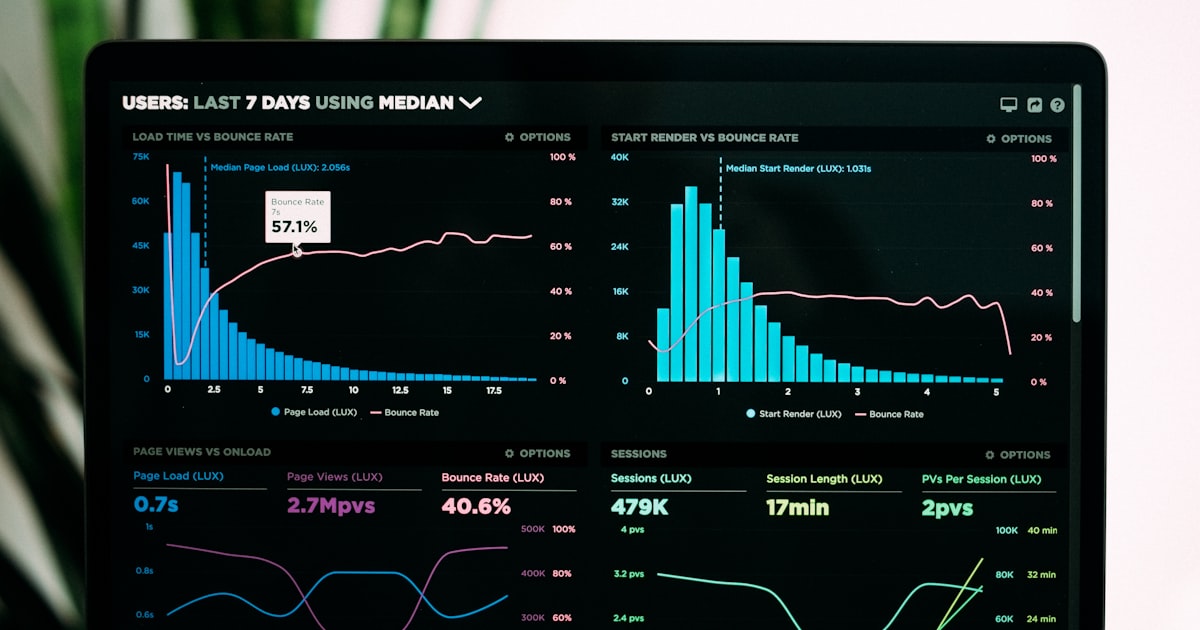
Messy data in spreadsheets, WhatsApp, and paper is the first wall most AI pilots hit.
The Five-Step Framework to Scale AI
Step 1: Pick a Process, Not a Tool
Do not start with "let's use AI." Start with a repeated, painful process — customer enquiries, invoice chasing, stock counts, quote drafting — that has a clear before-and-after. Define the metric: reply time, hours per week, error rate. If you cannot measure the process today, it's not ready for AI.
Step 2: Clean the Data Behind It
Dedicate one week to consolidating the records that process depends on into one spreadsheet or system. Standardise formats — dates, names, currency — and remove duplicates. AI amplifies what it's given: clean data in, compounding savings out. Garbage in is how pilots embarrass themselves.
Step 3: Start Small, but Run It Daily
Pilots fail when they're weekend experiments. Choose one process and run the AI on it every working day for a month, even if it only handles 20% of the volume. Daily use forces staff to form habits, exposes edge cases, and generates the usage data you need for the next step.
Step 4: Upskill Two People, Not Ten
Pick two employees — one from operations, one from customer-facing work — and make them the AI champions. Give them a few hours a week to learn prompt writing, evaluate outputs, and document what works. Two capable champions beat a company-wide training session nobody applies. In a five-to-ten-person SME, two champions is 20–40% of the team anyway.
Step 5: Build the Review Cadence
Schedule a 30-minute monthly review: what did the AI handle, what broke, what's the measured saving, and which process is next in line. This cadence turns AI from a one-off project into a managed capability — the difference between adoption and scaling. Each month, one new process enters the pipeline while the previous one runs on.

A monthly review cadence — not more tools — is what turns pilots into a business-wide capability.
What Scaling Looks Like in Practice
Take a typical eight-person retail SME. Month one: AI drafts replies to the 30 daily WhatsApp enquiries, cutting response time from 40 minutes to 10. Month two: the same tool, fed the cleaned stock list, answers "is this item available?" questions and flags low-stock items for reordering. Month three: invoice chasing letters are drafted from the accounting export, and the owner reviews ten instead of writing ten. Same tool, same team, three processes — that's scaling. The Tech For Good Institute's analysis points the same way: the SMEs that outperform are the ones that move from single-task use to multi-process integration, not the ones that buy the most tools.

From WhatsApp replies to stock checks to invoice chasing — one toolset, three processes, real savings.
Conclusion
Malaysia's AI story is genuinely encouraging — adoption is accelerating, and products like CelcomDigi's Sophia AI are putting capable tools within reach of every SME. But the NST and Tech For Good Institute findings are clear: the businesses that benefit are the ones that treat AI as a managed, process-by-process capability rather than a novelty.
Pick one painful process, clean its data, run it daily, train two champions, and review monthly. In six months you'll have three or four processes running on AI, real measured savings, and a team that knows how to evaluate a new tool. That — not the tools themselves — is what scaling means.
Frequently Asked Questions
1. How much should a small business budget for AI?
A realistic operating budget is RM200–RM500 a month: a ChatGPT Plus seat (~RM90), Canva AI, a chatbot or automation plan, plus time for your AI champions. Treat it as a cost line like software subscriptions, reviewed monthly against measured savings.
2. What's the difference between piloting AI and scaling it?
A pilot tests AI on one task for a short period. Scaling means running it daily on a chosen process, measuring results, then systematically extending it to the next process with the same tools and trained staff. Scaling requires data discipline and a review cadence; pilots require neither.
3. Which SME functions benefit most from AI?
Customer enquiries and support, document drafting and summaries, invoice chasing, inventory questions, and content production deliver the fastest wins. Start with the process that repeats most often and has clear metrics — that's where savings compound.
4. Do we need to hire data scientists to scale AI?
No. For most Malaysian SMEs, scaling means using existing tools well — clean data, good prompts, daily use, and two trained champions. Data science becomes relevant only if you move into custom models, which most SMEs never need.
5. Is CelcomDigi's Sophia AI suitable for a small business?
Sophia AI is aimed squarely at SME workflows — drafting responses, summarising documents, and automating routine customer interactions — bundled into telco plans many businesses already hold. It's a good starting point, but treat it as one option in the stack, not the whole strategy.
Low Kok Ping is an operations and productivity writer for SMEBuddies, with years of experience helping Malaysian small businesses streamline their daily operations. He writes about practical frameworks for process improvement, team management, and technology adoption — always grounded in what a five-to-fifty-person company can actually implement. His focus is on turning operational chaos into repeatable systems that owners can run without burning out.
AI for Malaysian SMEs: Adoption Is Easy, Scaling Is the Real Challenge | SMEBuddies