By Daniel Kong · September 2026
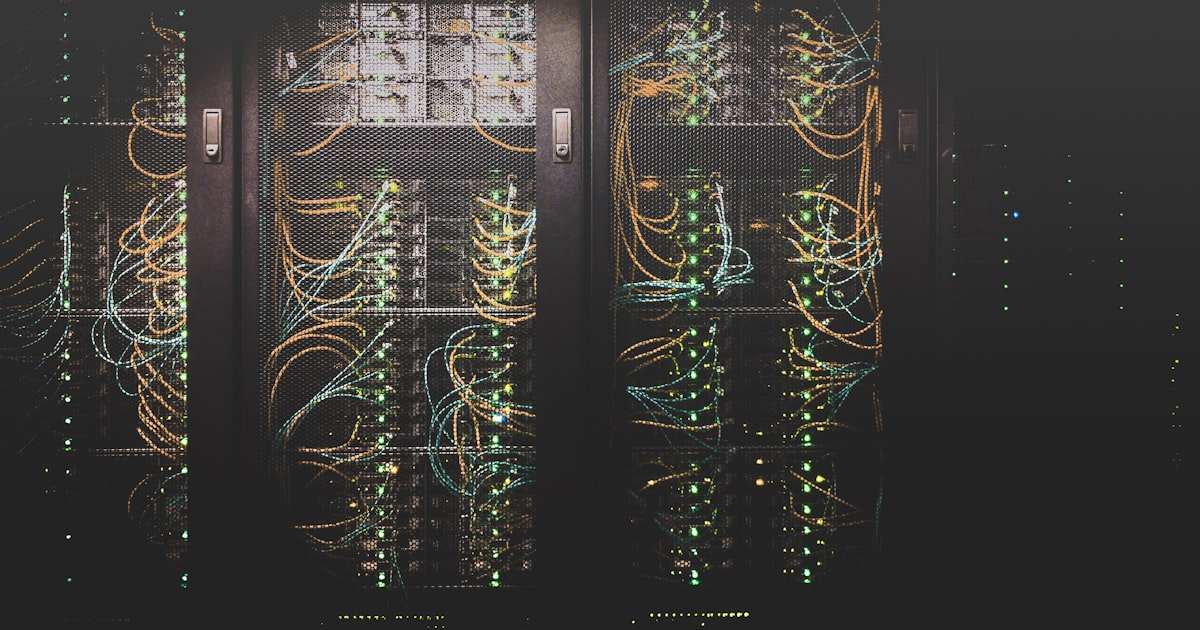
The 3 September outage took down ChatGPT, Claude and Grok simultaneously for hours.
On the morning of 3 September 2026, something unprecedented happened in the AI world. ChatGPT from OpenAI, Claude from Anthropic, and Grok from xAI went down at roughly the same time. Downdetector charts spiked across three continents, social media filled with screenshots of error messages, and headlines from The Verge, Bloomberg and The Register called it what it was — the first truly global AI outage.
Within hours, most services were restored. But for the millions of workers and business owners who have quietly built their daily routines around AI chatbots, those hours were a wake-up call. For Malaysian SMEs in particular — where ChatGPT and Claude have become unofficial assistants for drafting proposals, answering customer queries and writing marketing copy — the question is no longer whether AI is useful. It is what happens when the AI stops working.
What Actually Happened
Reports from the day paint a picture of a cascading failure:
- Simultaneous outages: ChatGPT, Claude and Grok all experienced service disruptions at the same time, an event analysts described as unprecedented in the industry's history.
- Gemini affected too: Many users also reported issues with Google's Gemini, widening the scope of the disruption.
- Grok linked to a data centre failure: Coverage pointed to an outage at a Memphis data centre as the cause of Grok's problems.
- A pattern, not a one-off: It was ChatGPT's second major outage within three days, according to reports at the time.
- Recovery: Most platforms confirmed they were back online by the same afternoon, with OpenAI saying it had investigated "elevated errors" on its side.
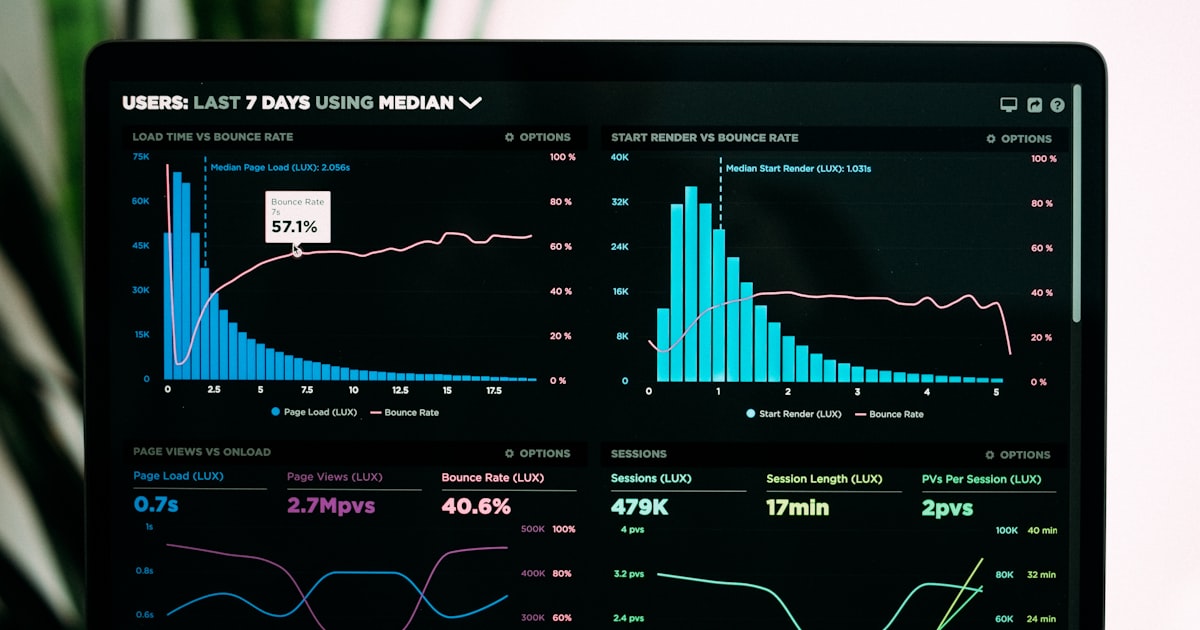
Many SMEs now run several daily workflows through AI chatbots without a backup plan.
Industry observers were quick to point out a deeper issue: even though OpenAI, Anthropic and xAI are fierce competitors, they increasingly rely on the same underlying cloud infrastructure and data centre providers. When something fails upstream, the entire ecosystem stumbles together. It is the same concentration risk that banks, airlines and telecoms have spent years trying to eliminate — now applied to AI.
Why This Matters More Than You Think
Three years ago, an AI outage was an inconvenience for a niche group of early adopters. Today, Malaysian SMEs use these tools for work that directly touches revenue:
- Customer service teams drafting replies in ChatGPT or Claude while waiting on ticketing systems
- Content marketers generating social media posts, product descriptions and email newsletters
- Accountants using AI to summarise invoices and prepare e-invoicing descriptions
- Owners drafting quotations and translating documents across Bahasa Malaysia, English and Mandarin
None of these tasks stopped the company when the platforms went down — but every one slowed to a crawl, and teams without a manual fallback simply stalled. That is the real cost: not lost data, but lost momentum on a working morning.
A simple offline fallback kept many small teams moving during the outage.
Six Lessons for Malaysian SMEs

Status pages tell you within minutes whether an outage is yours to fix or theirs to resolve.
The Bigger Picture
AI Disruption Day is unlikely to be the last event of its kind. As AI moves into phones, point-of-sale systems and e-invoicing software, the ways an upstream failure can reach your business will only grow. The companies that treat AI as a powerful but replaceable tool — not a permanent utility like electricity — will keep their momentum when the next outage hits.
Conclusion
The simultaneous ChatGPT, Claude and Grok outage on 3 September 2026 was a historic moment for the AI industry — and a practical reminder for Malaysian SMEs that every tool you depend on can fail. The good news is that protection is cheap: keep a second tool ready, keep your prompts organised, keep manual templates for critical work, and test your fallback before you need it.
AI is still one of the best investments a small business can make in 2026. Just make sure you can keep working on the mornings when it decides to take a break.
Frequently Asked Questions
1. Was this outage caused by hackers?
No evidence pointed to a cyberattack. Reports indicated infrastructure failures — including a data centre issue linked to Grok — and OpenAI said it was investigating elevated errors. The simultaneity is believed to reflect shared reliance on upstream cloud infrastructure rather than a coordinated attack.
2. How long did the AI services stay down?
Most platforms began recovering within hours. Several outlets reported services were largely restored by the same afternoon, although some users experienced lingering issues through the day.
3. Should my SME stop relying on ChatGPT and Claude?
No — the tools are still extremely valuable. The lesson is to diversify, not to abandon. Keep an alternative AI tool ready, maintain manual templates for critical tasks, and avoid making AI the only way your business can get work done.
4. What should I do the next time an AI outage happens?
First, check the provider's status page to confirm it is a platform issue. Then switch time-critical work to your backup tool or manual templates. Inform your team early so nobody wastes time troubleshooting their own connection, and resume normal workflows once the provider confirms recovery.
5. Are free AI tools more likely to go down than paid ones?
Not necessarily — free tiers often share the same infrastructure as paid tiers. During the 3 September outage, free and paid users were affected alike. Paid plans mainly add priority access, higher limits and support, not guaranteed uptime.
Daniel Kong covers AI and emerging technology topics for SMEBuddies, helping Malaysian business owners understand what new AI developments mean for their day-to-day operations. He writes practical, jargon-free guides focused on what small businesses can actually use — and what can go wrong.
AI Disruption Day: What the ChatGPT-Claude-Grok Outage Means for Malaysian SMEs