By Ashley Lu · November 2026
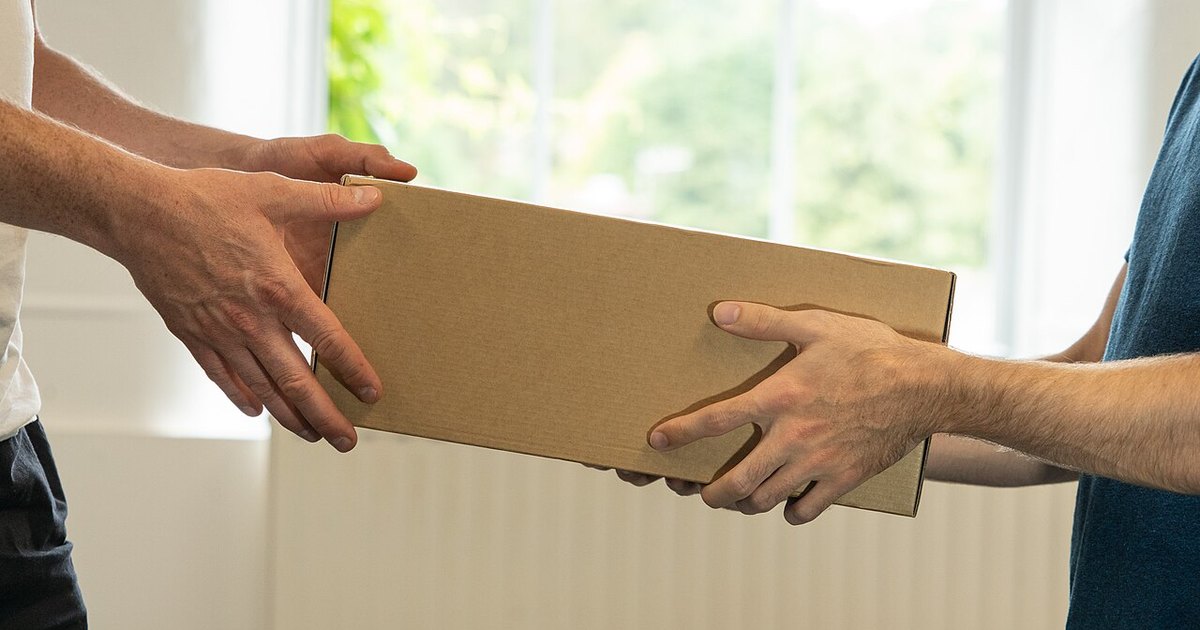
A parcel changing hands. On an event day the seller has already paid for the stock, the packaging and the ad that produced this order — the money only starts coming back after the platform's fees.
What the event actually rewards
The date itself is a convention, not an announcement: 11.11 has run in Malaysia for years, and the campaign calendar is set by the platforms rather than by any ministry. What is official is the retail season around it. Deepavali fell on Sunday 8 November, with Monday 9 November the replacement holiday in most states, and the Domestic Trade and Cost of Living Ministry's sale-notice system lists the Malaysia Year End Sale from 15 November to 31 December 2026. Your customer is being marketed to by three platforms and every mall in the country in the same six weeks.
Platform event days are built to maximise transacted value — the total that changes hands, before any of it is netted down. A seller's number is different. It is what survives commission, programme fees, vouchers, shipping subsidies, returns and advertising. The two figures can move in opposite directions: transacted value can double while your contribution halves, and that is the outcome the model below produces.
The charges that come out before you see a sen
Shopee Malaysia's seller education pages, as revised on 14 August 2026, set out four charges on a completed Marketplace order. Commission runs from 0% to 17% depending on category and sub-category, and 8% service tax is added on top of the fee, so a 13.5% commission actually costs 14.58%. A transaction fee of 3.5% — 3.78% once service tax is included — is charged on the final amount the buyer pays, including shipping. A platform support fee of RM0.50 (RM0.54 with tax) applies to each completed order. And the optional Shopee Cashback Programme charges a service fee of 5.5%, rising to 7.5% on campaign days and capped at RM100 per item, charged when the order is placed even if the buyer never uses the voucher.
Two more costs are yours alone: the seller-funded vouchers that make the event price look dramatic, and the advertising that buys visibility while every competitor bids for the same search results. Lazada and TikTok Shop operate their own schedules with different rates and programme mechanics. The numbers below are a Shopee Marketplace illustration, and your own Seller Centre tax invoices are the authority on your rates.
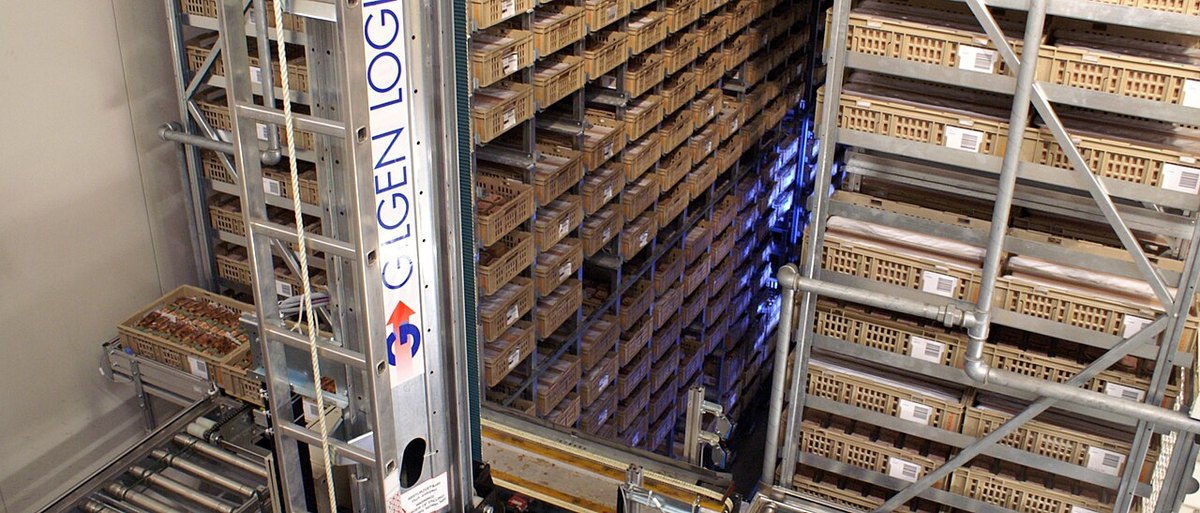
Event stock sits in racking like this for weeks before the sale and, if the discount was too deep or the returns too high, for weeks after it. Photo: Wikimedia Commons / Gilgen Logistics AG (CC BY-SA 4.0)
A worked model: 100 orders, RM165 left
Take one product with a RM120 list price and a RM30 landed cost. On event day you take 40% off, then fund an RM8 voucher, so the buyer pays RM64 plus RM4.90 shipping. You spend RM8 on ads per order, 12% of orders come back, and a quarter of those returns are unsellable. Everything else is the fee schedule above at a 13.5% category commission.
| Line, on 100 orders placed | RM |
|---|---|
| Cash collected (88 kept orders, price plus shipping) | 6,063.20 |
| Cost of goods, including 3 unsellable returned units | 2,730.00 |
| Packaging (100 orders) | 120.00 |
| Courier, outbound and return legs | 728.00 |
| Commission with 8% service tax (14.58% of RM64) | 821.15 |
| Cashback programme fee, 7.5% campaign-day rate | 422.40 |
| Transaction fee, 3.78% of price plus shipping | 229.19 |
| Platform support fee, RM0.54 per kept order | 47.52 |
| Advertising | 800.00 |
| Contribution | 164.95 |
That is RM1.65 per order placed, or 2.7% of the cash that passed through the business. The ad spend alone is nearly five times the contribution. Nothing here is a rounding error — every assumption is labelled, and you can replace each one with your own figure in ten minutes.
What the same 100 units earn at full price
Sold at RM120 with the same 12% return rate but no event fees, no voucher and no ad push, those 100 orders contribute about RM5,411 — roughly 49% of cash collected. The event, as modelled, returns 3% of that. Push the return rate to 18% and the deep-discount route goes negative; hold returns at 12% but spend RM12 an order on ads and it is negative too. The margin of safety on an event like this is measured in two or three percentage points of return rate.
A shallower deal pays better than a deeper one
Run the same product at 25% off with no voucher, outside the cashback programme and at RM5 of ad spend per order. Contribution rises to about RM2,755, or 33% of cash — sixteen times the deep-discount outcome on the same stock. The lesson is not that discounting is wrong. It is that the discount depth, the programme fees you opt into and the cost of being visible multiply rather than add, and only one of the three is visible in the "40% off" badge.

The only calculation that matters before you set a discount: contribution per unit after fees, returns and ads. Photo: Unsplash (CC0), via Wikimedia Commons
Returns are the January cost
Three quarters of returned units come back resellable, but they come back in December, after the season that justified the price. The cash leaves as refunds in November and returns as stock in December. The unsellable quarter is a straight write-off, and the courier pays for the return leg. If you sell fashion, electronics accessories or anything sized, budget the returns tail as a January cash item, not a November footnote.
Three decisions before 12.12
First, name the purpose of the event in writing. Volume, customer acquisition and margin are three different campaigns, and a deal designed for all three fails at each. Second, set a contribution floor per unit before you set the discount, then work backwards to the deepest discount that clears it — not the deepest discount the platform's badge suggests. Third, consider making the offer on your own store instead: at RM110 with a 2.5% card fee and a 6% return rate, 100 orders contribute around RM5,866, because no commission and no programme fee are deducted. The honest catch is that you must bring the traffic yourself, and your own ad cost per order will be higher than a marketplace's event traffic.
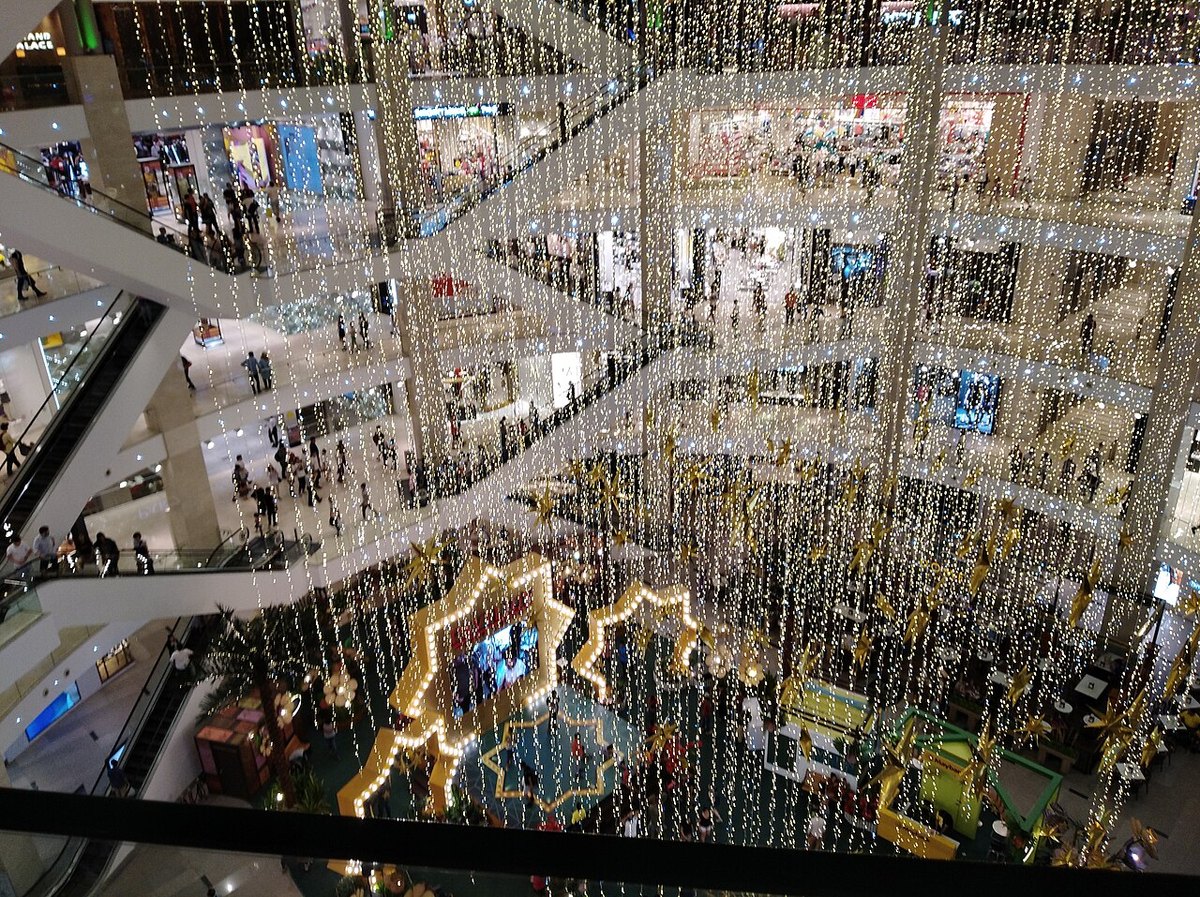
Shoppers inside a Kuala Lumpur mall during a festive season. The same wallet is being chased by the platforms, the malls and the year-end sale at once. Photo: Wikimedia Commons / PulauKakatua19 (CC BY-SA 4.0)
Confirm before you commit to 12.12: your own commission rate by sub-category, whether the cashback programme is compulsory for the campaign you are joining, the campaign-day service fee, and the platform's terms on locked stock, late shipment penalties and voucher funding. Rates were revised in August 2026 and platform terms change between campaigns. Your Seller Centre fee schedule and the campaign agreement are the authority, not this article.
Conclusion
Singles' Day is not a pricing event. It is a fee event with a discount attached. On the model above, a Malaysian seller who takes 40% off, funds a voucher, joins the cashback programme and buys visibility keeps about RM1.65 an order — and drops below zero the moment returns run three points higher than expected.
The practical response is arithmetic, not enthusiasm. Work out contribution per unit at three discount depths, pick the shallowest that still earns its place in the campaign, and treat the platform's programme fees as part of the discount because that is exactly what they are. If the number does not clear your floor, a smaller event, a store-first offer or a plain no are all legitimate answers.
Then plan the returns tail into January's cash, and put the model in a file. In four weeks you will be asked the same question about 12.12, and the answer should take ten minutes, not a night.
Frequently Asked Questions
1. Why won't you quote 11.11 sales figures for Malaysia?
Because the published figures are gross merchandise value — the total shoppers paid before vouchers, returns, commission and ad spend are netted off. They are useful for the platform and useless for deciding your discount depth. The model in this article uses your own inputs instead.
2. What are the actual Shopee Malaysia seller fees?
After the 14 August 2026 revision: commission of 0% to 17% by category plus 8% service tax, a transaction fee of 3.5% (3.78% with tax) on what the buyer pays including shipping, and a platform support fee of RM0.50 (RM0.54 with tax) per completed order. The cashback programme adds 5.5%, or 7.5% on campaign days, capped at RM100 an item.
3. Is a 40% discount always loss-making?
No, but it is loss-making far more often than sellers expect once a seller-funded voucher, campaign-day programme fees, advertising and a 12% return rate are stacked on top. On a RM120 item with a RM30 cost, the model above leaves 2.7% of cash collected, and goes negative at an 18% return rate.
4. Should I skip 11.11 and sell only on my own store?
Only if you can bring your own traffic. On the same model, a store-first offer at RM110 keeps about 53% of cash collected because no commission or programme fee applies — but a higher ad cost per order and a smaller audience can wipe that advantage out.
5. What is the single number to watch after the event?
Contribution per order after returns, not revenue. Revenue tells you how busy the warehouse was; contribution tells you whether the fortnight paid for the stock you bought in September.
Ashley Lu covers retail, e-commerce and consumer trends for SMEBuddies. She writes about the mechanics behind marketplace selling — fee schedules, fulfilment economics and the gap between a campaign headline and a seller's bank balance — and works through the arithmetic with Malaysian online sellers so the numbers are checkable rather than asserted.
11.11: What Singles' Day Actually Earns a Malaysian Seller