Seeing is no longer believing. With hyper-realistic AI video and voice cloning scaling globally, verifying the authenticity of digital media has become a major legislative and corporate priority. Search volume is rising rapidly for tools that provide cryptographic watermarking and verify the "origin" of media — a field known as digital provenance.
For businesses, the stakes are enormous. Deepfake-powered fraud, misinformation campaigns, and brand impersonation are costing companies millions. The demand for verification tools has shifted from "nice to have" to essential infrastructure.
What Is Digital Provenance?
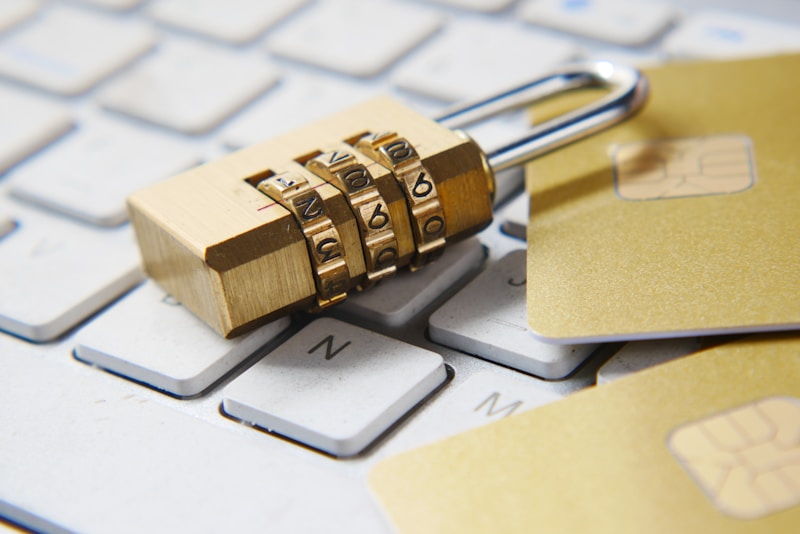
Digital provenance refers to the verifiable record of a piece of content's origin and history. It answers questions like: Who created this content? What tools were used? Has it been modified? When an AI generates a video, digital provenance metadata can cryptographically attest that the content was AI-generated and by which model.
Key technologies in the digital provenance space include:
- Cryptographic watermarking — Imperceptible digital signatures embedded in content that can be verified to prove authenticity
- Content Credentials (C2PA) — An open standard for attaching verifiable provenance metadata to digital content, supported by Adobe, Microsoft, and Sony
- Blockchain anchoring — Recording content hashes on distributed ledgers to provide tamper-proof timestamping and origin verification
- AI detection models — Machine learning systems trained to identify telltale signs of AI generation in images, video, and audio
Deepfake Detection Tools for Business
The market for deepfake detection tools has matured rapidly. Business-grade solutions now offer:
- Real-time verification — Analyse video calls and live streams for signs of deepfake manipulation as they happen
- Batch analysis — Scan large content libraries for AI-generated or manipulated media
- API integration — Embed verification into content management systems, social media publishing workflows, and communication platforms
- Forensic reporting — Generate admissible evidence of content manipulation for legal and compliance purposes
Legislative Landscape
Governments worldwide are moving to mandate digital provenance:
- EU AI Act — Requires clear labelling of AI-generated content and transparency about training data
- US Executive Order on AI — Directs the development of content provenance standards for federal use
- Singapore's AI Verify — Framework for testing and verifying AI systems, including content authenticity
- Malaysia's National AI Roadmap — Increasing focus on AI governance and content verification as AI adoption grows
For businesses operating across multiple jurisdictions, compliance will require investing in provenance technology that meets the most stringent regulatory requirements.
Frequently Asked Questions
Can deepfakes be detected reliably?
Current detection tools are highly effective against known deepfake techniques but face challenges with rapidly evolving generation methods. The most reliable approach combines multiple detection methods — AI analysis, cryptographic watermarking, and manual review. As generation and detection technologies advance in tandem, the focus is shifting from perfect detection to layered verification.
What is C2PA and why does it matter?
C2PA (Coalition for Content Provenance and Authenticity) is an open standard for embedding verifiable provenance information in digital content. When a camera or AI tool creates content with C2PA, it attaches cryptographically signed metadata about the content's origin. This creates an unbreakable chain of custody from creation to publication, making it possible to verify whether content is authentic or manipulated.
How much does digital provenance software cost?
Costs vary widely depending on scale and features. Basic API-based verification services start at a few hundred dollars per month for small businesses. Enterprise-grade platforms with real-time monitoring, batch analysis, and compliance reporting can range from several thousand to tens of thousands of dollars annually. Many vendors offer free tiers for basic single-file verification.
Should my business invest in deepfake detection now?
If your business handles sensitive communications, financial transactions, or publishes content at scale, the answer is yes. The cost of a single deepfake incident — whether fraudulent wire transfer, brand impersonation, or regulatory non-compliance — far exceeds the investment in prevention. Early adoption also positions your business as a trusted entity in an increasingly sceptical digital landscape.
Digital Provenance & Deepfake Verification: Trust in the Age of AI Media